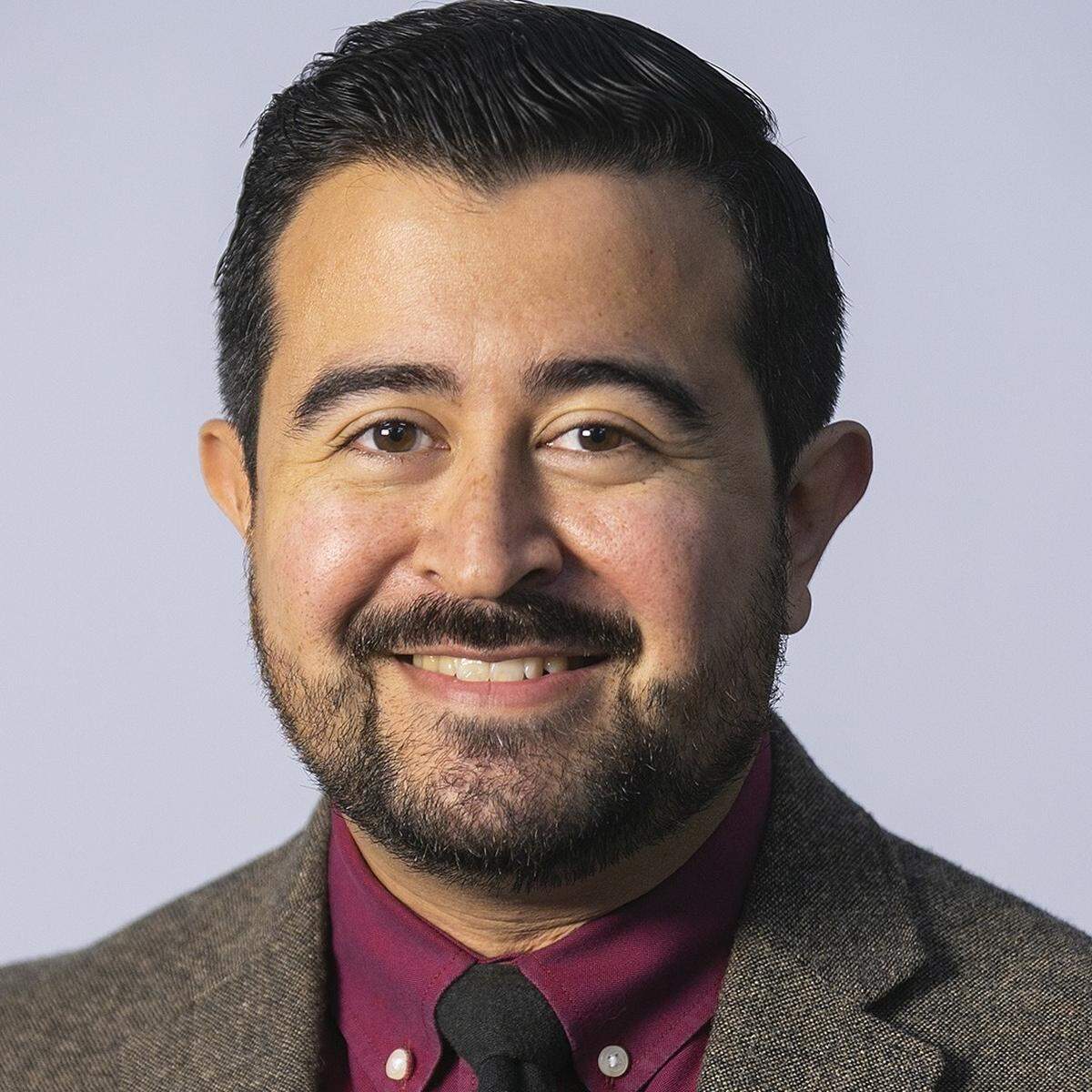
Five takeaways from Sabina Covo’s victory in Miami’s District 2 election
The District 2 election in Miami was a sprint that drew 13 candidates, sparked more than $1 million in fundraising, and saw voters in Miami’s coastal neighborhoods choose Sabina Covo as their next representative.
Covo, a former Spanish-language television journalist and spokeswoman for former Florida Agriculture Commissioner Nikki Fried, is expected to be sworn in on Saturday. She is a Colombian-American and the first woman to be elected in District 2 since the city created single-member districts more than 20 years ago.
She will hold the office for at least eight months, completing the term vacated by Ken Russell, who resigned in late December. In November, the seat will be up for election again.
Here are five takeaways from the District 2 election.
Money didn’t make the difference
The candidate favored by the city of Miami’s political establishment — and the one with a lot of establishment money — did not win.
Former Miami-Dade Circuit Court Judge Martin Zilber raised more than $500,000 in direct campaign contributions and donations to a political committee supporting him, with large sums coming from real estate attorneys, lobbyists, and developers who have interests in the city. Zilber had the largest war chest with the most support from the city’s big-money donors. He also had the support of multiple sitting commissioners and the mayor.
Yet Zilber came in fourth place on Monday. Unofficial results show he received about 1,000 fewer votes than Covo.
Zilber may have some name recognition going into the race, but it came from his resignation from the bench in 2021, amid accusations of misconduct at work and facing punishment after a judicial committee pursued the findings. Later, more than a year after Zilber resigned, a Florida Bar inquiry found no probably cause to sanction him.
Though she raised less money, Covo still attracted some support from some powerful city interests, including some developers and land-use attorneys. Her fundraising total was at least $98,000 according to the most recent reports.
READ MORE: Here are the people and businesses funding campaigns in Miami’s special election
Partisan politics may have played role
On her path to City Hall, Covo touted endorsements from the Miami-Dade Democratic Party and known names in the local party, including former state senator Annette Taddeo and Covo’s city commission predecessor, Russell.
Covo, one of only three registered Democrats in the race, also received support from her former boss, Fried, who just scored her own major victory over the weekend when she was elected chair of the Florida Democratic Party.
“We are beyond excited that the city of Miami has replaced a good Democrat with a good Democrat! This is a solid win for Democrats in Miami,” read a statement Tuesday by the Florida Democratic Party.
Democratic voter turnout in District 2 far surpassed that of Republicans and independents, according to unofficial figures from the Miami-Dade County Elections Department. While about 3,400 Democrats cast ballots, about 1,300 Republicans and about 1,400 independents and no-party voters cast ballots.
Taddeo and the Democrat with the highest elected office in the county, Miami-Dade Mayor Daniella Levine Cava, joined Covo’s celebration Monday night in Coconut Grove, and Levine Cava lauded Covo as a “breath of fresh air.” Levine Cava and Covo share a political consultant who notched a victory Monday night, too.
Christian Ulvert, Levine Cava’s top political consultant, ran her 2020 mayoral campaign, and he’s managing her 2024 reelection effort. He ran Covo’s special election campaign, giving him a larger presence in city and county politics.
Turnout was as low as usual
Even though each vote on a five-person City Commission holds power, it’s typical that a small number of engaged voters decide the political future of a city with more than 430,000 residents. Although some political watchers expected turnout to dip even lower than usual due to a February election on a Monday, turnout was on par with the more recent regular election.
In November 2018, when incumbent Russell beat three challengers, about 6,336 people voted, or about 11% turnout. Unofficial turnout totals from Monday show nearly 6,300 voted in the special election, or about 12% of District 2’s active eligible voters.
The results do lag behind the 17% turnout from 2015, the year Russell shocked the political establishment and beat well-funded opponents.
City Hall dynamics could shift
Covo campaigned as an outsider from the usual City Hall politics. But now she will have to work with four other commissioners to get what any commissioner needs to pass meaningful legislation: two more votes.
She disagreed with the commissioners’ decision to name themselves the new board of the agency that manages the historic beach on Virginia Key, calling it a “mistake” in an interview with the Miami Herald Editorial Board. And during the campaign, she emphasized that she wants to bring “decorum” and “respect” back to City Hall, particularly with regard to people who come to address commissioners during public meetings. Public speakers regularly point out that some commissioners do not sit on the dais to listen to public comment, or they are too quick to criticize public speakers when they disagree.
“We are going to restore the respect and the decency in City Hall,” she said Monday night. “I think that I’m going to get along perfectly with them. I’m a person that can be right in the middle. And I am sure that it’s going be a great relationship.”
Covo didn’t receive any endorsements from commissioners, and she said she would be an independent voice on the dais. She said she’s most aligned with Commissioner Manolo Reyes, an answer several District 2 candidates gave before the vote. She also said she sees herself working well with Commissioner Chairwoman Christine King.
Political watchers will follow her votes as she finds her place on the commission. The vote to hold the special election was split, with Reyes and King favoring the vote, and commissioners Joe Carollo and Alex Díaz de la Portilla favoring an appointment, with Zilber as one of the preferred choices. Reyes and King won that vote by refusing to break a 2-2 deadlock.
Covo praised the performance of Mayor Francis Suarez, though she said the taxpayers should be getting more for their dollar out of their city government.
“I think Mayor Suarez has had the right approach in promoting the city of Miami. And the promotion of the city of Miami of course has brought a lot of people from out of town to want to live in the city of Miami and put the city on worldwide map,” she said. That being said, the quality of life in the city right now is not the appropriate one for the residents. We still need a lot more to be delivered for the amount of taxes that are paid. And that is not only a Mayor Suarez issue. That’s also a city of Miami commission issue.”
She’s running again
Before the votes were tallied, Covo said if she were to win, she’d run again in the regular November election to hold on to her seat. She’ll now hold the power of incumbency, which could unlock large political donations from people and companies who have business before the city.
She said she needs more than just eight months to do meaningful work for District 2.
“I intend to run for a full four-year term so I can work on the policies and programs I promised during the campaign,” she told the Herald. “We need to make immediate changes in City Hall, and we also need to execute long-term plans.”
It’s unclear how many familiar opponents she’ll draw later this year.
James Torres, president of the Downtown Neighbors Alliance, said on Tuesday he plans to run again “for a better Miami and not being part of the status quo.” Torres came in third place Monday. Eddy Leal, an attorney who took leave from the mayor’s office to run, did not immediately respond to the Herald’s questions Tuesday.
Zilber said it was “unlikely” he’d run again but “never say never.” Max Martinez, a previous mayoral candidate who ran in the special election, said he might run again, but he would need “major funding.” As he campaigned outside City Hall during early voting, Lior Halabi suggested he might run again.
This story was originally published February 28, 2023 at 3:34 PM.