
‘Here we are again.’ Calls for bike safety upgrades after Rickenbacker Causeway deaths
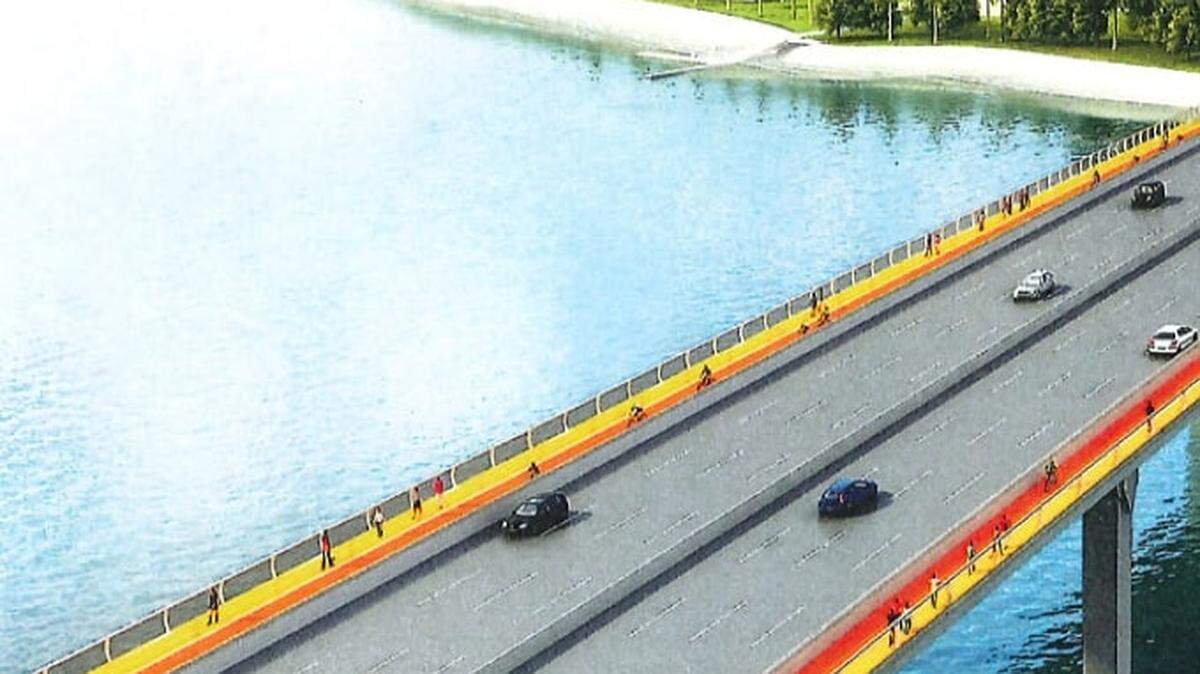
Preventing cycling deaths was a prime driver in the $500 million blueprint to upgrade the Rickenbacker Causeway by bringing in a private developer and operator, an effort that stalled in January because it lacked political support.
Known as “Plan Z” and championed by architect and cycling enthusiast Bernard Zyscovich, the proposal would use higher toll revenues to fund a string of safety improvements, including bike lanes separated from auto traffic.
Key Biscayne leaders opposed Zyscovich’s Plan Z, saying it did not provide the kind of adequate traffic solutions for the island community. In December, Miami-Dade Mayor Daniella Levine Cava recommended canceling the bidding process that the county had launched for a private developer of the Rickenbacker. In January, commissioners voted to end the bidding process.
The deaths of two cyclists Sunday on the Rickenbacker sparked calls for more immediate and long-term efforts to improve biking safety on the busy system of bridges connecting Key Biscayne with mainland Miami.
READ MORE: How big a danger is the Rickenbacker for bicyclists? Here are some of the tragedies
Backers of the Plan Z effort see the fatalities as more evidence something significant must be done on the Rickenbacker for it to ever be safe for people riding bikes.
“This is exactly what Plan Z was trying to address,” Frankie Ruiz, a longtime fitness organizer who serves as the city of Miami’s chief wellness officer, said. “They would have been in the protected bike lane.”
Along with a new Bear Cut Bridge and roadway redesigns, the proposed upgrades on the county-controlled causeway included widening the William Powell Bridge to allow for bike lanes separated from other traffic and new non-auto overpasses for the county’s most popular cycling route.
The bidding process launched last year to invite competing proposals for the Plan Z offer was the closest Miami-Dade came to pursuing major upgrades of the Rickenbacker.
In 2015, Miami-Dade commissioners passed a resolution urging the administration of then-Mayor Carlos Gimenez to consider separated bike lanes after the death of cyclist Walter Reyes in an early morning collision with a car driven by a man later convicted of drunk driving. Bike lanes are painted green, as a visible separation from the auto lanes, and have rumble strips, designed to jar a distracted driver if they drift into a bike lane.
In a memo to Levine Cava released Monday, Miami-Dade Commissioner Raquel Regalado, who has represented Key Biscayne since 2020, noted past calls for Rickenbacker safety upgrades. “Some measures were taken,” Regalado wrote, “but here we are again.”
She asked Levine Cava for a report on the most dangerous spots on the causeway for cyclists and a list of short-term solutions. “We know that major long-term fixes such as protected bike lanes are expensive,” Regalado wrote. “We should not wait for tragedy to strike again to do what we can to make the Rickenbacker Causeway safe for bicyclists and pedestrians.”
Preventing cycling deaths was part of the original pitch from the Plan Z group, which wanted to raise tolls on the Rickenbacker and take over operations to fund both the upgrades and profit for the consortium’s investors. The developers did not reveal financial details of the plan, but a county consultant estimated a similar set of upgrades would cost about $498 million.
On Monday, Zyscovich said the spot where Sunday’s fatalities occurred would have been transformed into a separated 30-foot wide biking and pedestrian path. “There would be no need for a bicycle to ever be in the same place as a car,” he said.
The architect said he was devastated by the deaths, since the plan he has been championing for nearly a decade was designed to prevent future cycling fatalities.
“I tried to do everything I could possibly do to at least put a plan in place to prevent terrible things from happening,” he said. “I don’t feel like we’re any closer, because there is no plan.”
The Plan Z effort could return if Miami-Dade starts over with a new bidding process for a private developer for the Rickenbacker. But Zyscovich said he sees little possibility of that happening, given how the first try was blocked by Key Biscayne opposition. “As far as I’m concerned, Plan Z is dead,” he said.
On Monday, two University of Miami employees involved with the school’s BikeSafe program wrote an online letter to elected officials, calling for the immediate installation of substantial barriers along bike lanes. They also called for a long-term plan for a “bicycle highway.”
“The poor design of this roadway, the over reliance on green paint, and the failure to enact proper best-practice bike lane protection are the root causes of yesterday’s crash, and every crash prior,” wrote Mickey Witte and Kurt Kaminer, who are part of the UM program aimed at preventing bike crashes involving children.
Mike Davey, Key Biscayne’s mayor, said Monday he wants Miami-Dade to pursue a Rickenbacker plan that considers bike infrastructure as well as larger congestion and safety issues, such as backed-up lines of vehicles towing boats while waiting for openings at county-owned boat ramps.
“We want to do everything possible to ensure the safety of people using the causeway,” he said. “One of the things we’d like to see is a Rickenbacker Causeway master plan.”
In January, Levine Cava said the county would focus on how to rebuild the Bear Cut bridge while pursuing a broader improvement plan for the Rickenbacker that may end up less expensive. On Tuesday, Miami-Dade commissioners will consider a Levine Cava report estimating a new Bear Cut bridge will cost $90 million.
Plan Z involved rebuilding parts of the causeway to create wider park space along Biscayne Bay, an observation tower on the William Powell Bridge and other recreational amenities.
“Depending on public input, the project might cost a lot less money,” Levine Cava said after the Jan. 19 vote to end the Plan Z bidding process. The Rickenbacker “is already a great amenity. We know we have had fatalities that are not acceptable. We need to improve things to protect people who are using the causeway.”
This story was originally published May 16, 2022 at 4:57 PM.