
Judge allows Surfside expert to participate in on-site collapse investigation
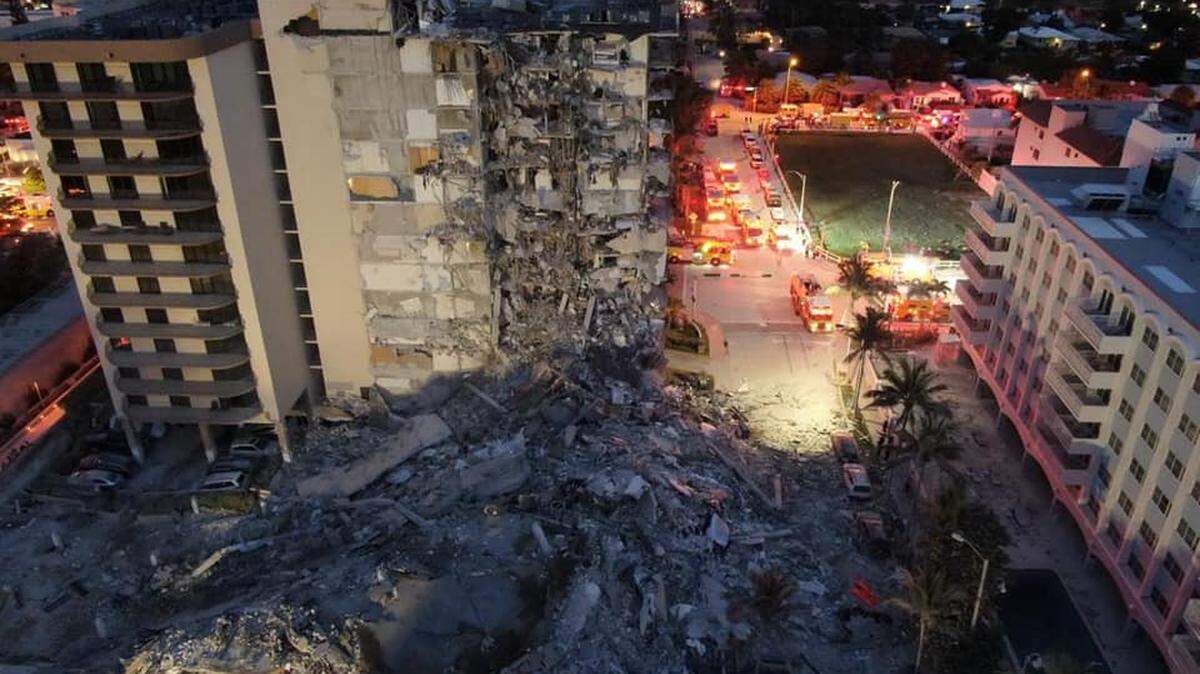
The engineer hired by the town of Surfside to investigate the deadly June 24 building collapse will be allowed to participate in destructive testing at the site despite objections from some attorneys involved in the class-action lawsuit stemming from the Champlain Towers South tragedy.
The town went to court Wednesday to ask that Judge Michael Hanzman let its structural engineer, Allyn Kilsheimer, onto the site of the fallen condo building at 8777 Collins Ave. along with experts from plaintiffs and defendants in the lawsuit who will take samples and test the construction materials and the land below where the 12-story condo once stood.
Draft protocols for the on-site testing, circulated this month, would have limited access to the property for only plaintiffs and defendants in the lawsuit, Surfside attorney Joseph Serota wrote in a legal filing Monday.
Surfside has not yet been sued in connection to the building collapse that killed 98 people, but Serota said the town has received at least 19 notices to sue. As a government entity, the town has a statutory right to investigate the claims for a six-month period before it can be formally sued, he said.
Previous versions of the testing protocols did not include the exclusion for non-parties, he said. The draft itself was based on recommendations Kilsheimer made to the receiver of the Champlain Towers South Condominium Association and experts hired by parties to the lawsuit, Serota said.
Serota wrote that apart from being a possible defendant in the case, the town has a “moral obligation” to determine what caused such a tragedy within its municipal borders to “ensure the life safety, health and welfare of all residents.”
Testing procedures
At Wednesday’s hearing, Hanzman said he agreed with Serota and would allow Kilsheimer to participate in the destructive testing at the site, but only if his involvement does not delay the process. Kilsheimer will not have any right to change the protocol or deviate from it but can offer guidance, Hanzman said. If any complaints arise from the other parties, Hanzman said he would consider revoking Kilsheimer’s access.
Kilsheimer has said that the testing would include taking samples of the concrete and reinforced steel left at the site, including construction components buried several dozen feet underground, and the soil and limestone itself. Performing the testing as a group is preferable because the destructive nature of the process would limit future testing of the same materials, Serota wrote in his filing.
Preserving the samples for future defendants, Serota wrote, is “insufficient due to limited sample size, uncertainty in where samples are taken, sample degradation and the wealth of data that can only be obtained” through on-site testing.
Other types of testing — “vibration, resistivity, seismic logging, site classification of soil and rock, pile coring, concrete chipping” — would also require Kilsheimer’s presence at the site, he said, because they cannot be performed on samples.
“He must be present on the site to participate with the other experts with regard to the on-site decisions needed to be made at that time,” Serota wrote.
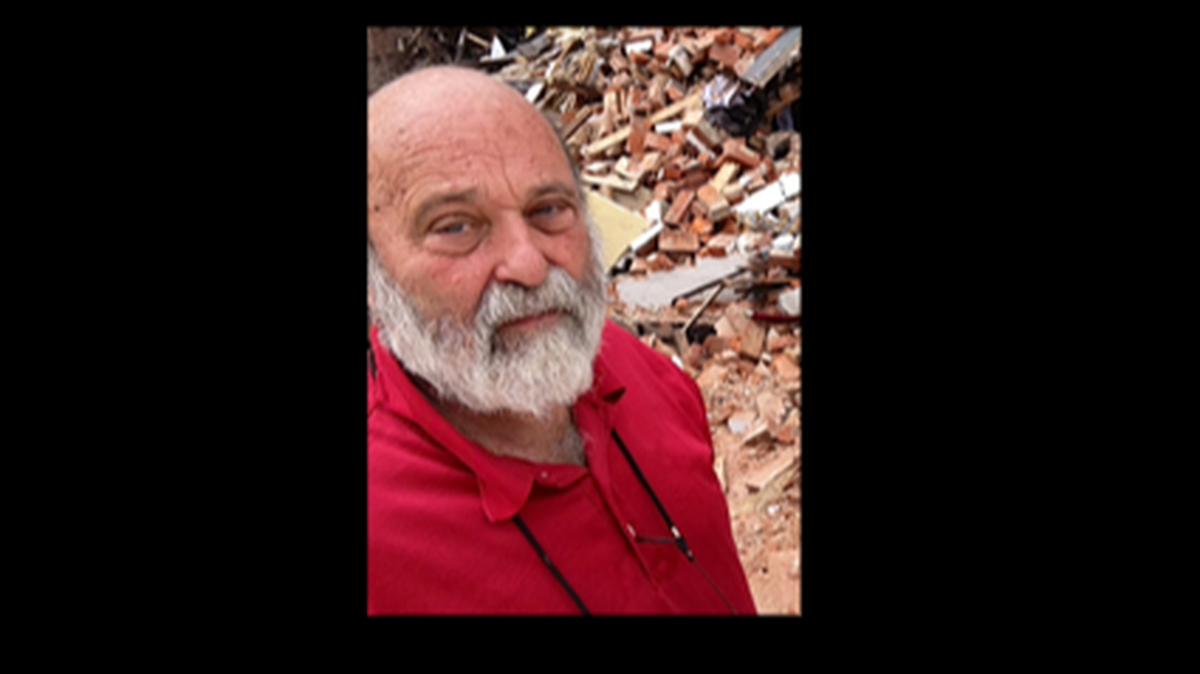
Kilsheimer, who was hired by the town in June to investigate the collapse, was allowed onto the property before, prior to the installation of bracing on the western wall of the property near Collins Avenue and in October for non-destructive observations.
Today, the site bears little sign of the tragedy that shocked the community and the world when the building collapse, killing nearly 100 people in a mountain of concrete, glass and steel.
Orange-colored street barriers and fencing block views of the remaining pit extending across nearly two acres of the oceanfront property along Collins Avenue. Behind those barriers lies a virtually unscathed foundation with shorn-off concrete columns and mangled rebar still in plain sight. The gray tile floor situated in front of the former garage elevator is still intact.
The exterior wall of the pool on the south side of the property survived the collapse, though the pool deck caved in before part of the condo building fell.
Ponds of water from tidal and groundwater intrusion gather in several parts of the property, especially on the east side facing the Atlantic Ocean. Contractors are working around the clock to pump out the water and keep the site dry for an upcoming engineering and environmental inspection.
Attorneys objected to giving Surfside access
Jeff Goodman, an attorney for the plaintiffs, said he and condo receiver Michael Goldberg objected to allowing Kilsheimer onto the site over concerns about possible delays. Goodman said the testing is scheduled to last about four weeks, although he said attorneys for the Miami Beach condominium tower 87 Park — which is being sued over whether its construction next door to Champlain Towers South factored into the weakening of the structure — have suggested a more extended 3-4 month period.
Goodman said Surfside should not be prioritized over other third-party entities with an interest in testing at the site. The testing process will require heavy machinery, and Goodman said he did not want to endanger those at the site with too many participants.
“Adding additional people who are not necessary will make it more dangerous, more expensive and far less efficient,” he said in court Wednesday.
Goldberg told Hanzman he had “tremendous respect” for Kilsheimer and that he was comfortable with Hanzman’s compromise. He said he wanted it to be clear that Kilsheimer was not an independent expert and that he was hired by Surfside to further their interests.
“Mr. Kilsheimer has held himself out repeatedly as being an independent expert,” he said. “He’s representing Surfside as a potential defendant trying to vindicate Surfside here.”
The town’s former building official, Ross Prieto, came under scrutiny following the collapse after it was reported that he told residents at Champlain Towers South that the building was “in very good shape” in 2018 despite an engineer’s report that flagged “major structural damage” there.
In an interview after the hearing, Kilsheimer said the testing protocols were recently updated to include the more exclusionary language, which compelled the town’s attorneys to plead their case. He stopped short of saying the other parties, including Goldberg, were trying to block him from the site.
“It should be very clear what they were trying to do,” he said.
The goal, he said, is to try to get even one step closer to understanding what factors contributed to the building collapse.
“That’s my hope,” he said.
Surfside Mayor Charles Burkett, who has for months expressed frustration with the pace of the investigation, praised Hanzman’s order but said he was disappointed that the town continues to be blocked from pursuing its investigation.
Burkett has butted heads with Miami-Dade County Mayor Daniella Levine Cava in the past over the county’s refusal to allow Kilsheimer onto the site without a court order. In October, the county turned over possession of the property to Goldberg following a criminal investigation.
“We’ve been blocked from the beginning, and it’s just been extremely frustrating,” Burkett said.
Burkett has said that the ongoing federal investigation into the collapse would take far too long. He said the other engineering experts involved in the lawsuit are interested in helping their clients, but Kilsheimer just wants to know what caused the building collapse.
“They’re looking for someone to blame, we’re looking for the reason the building came down,” he said.
Miami Herald staff writer Jay Weaver contributed to this story.
This story was originally published December 15, 2021 at 5:23 PM.
.JPG)