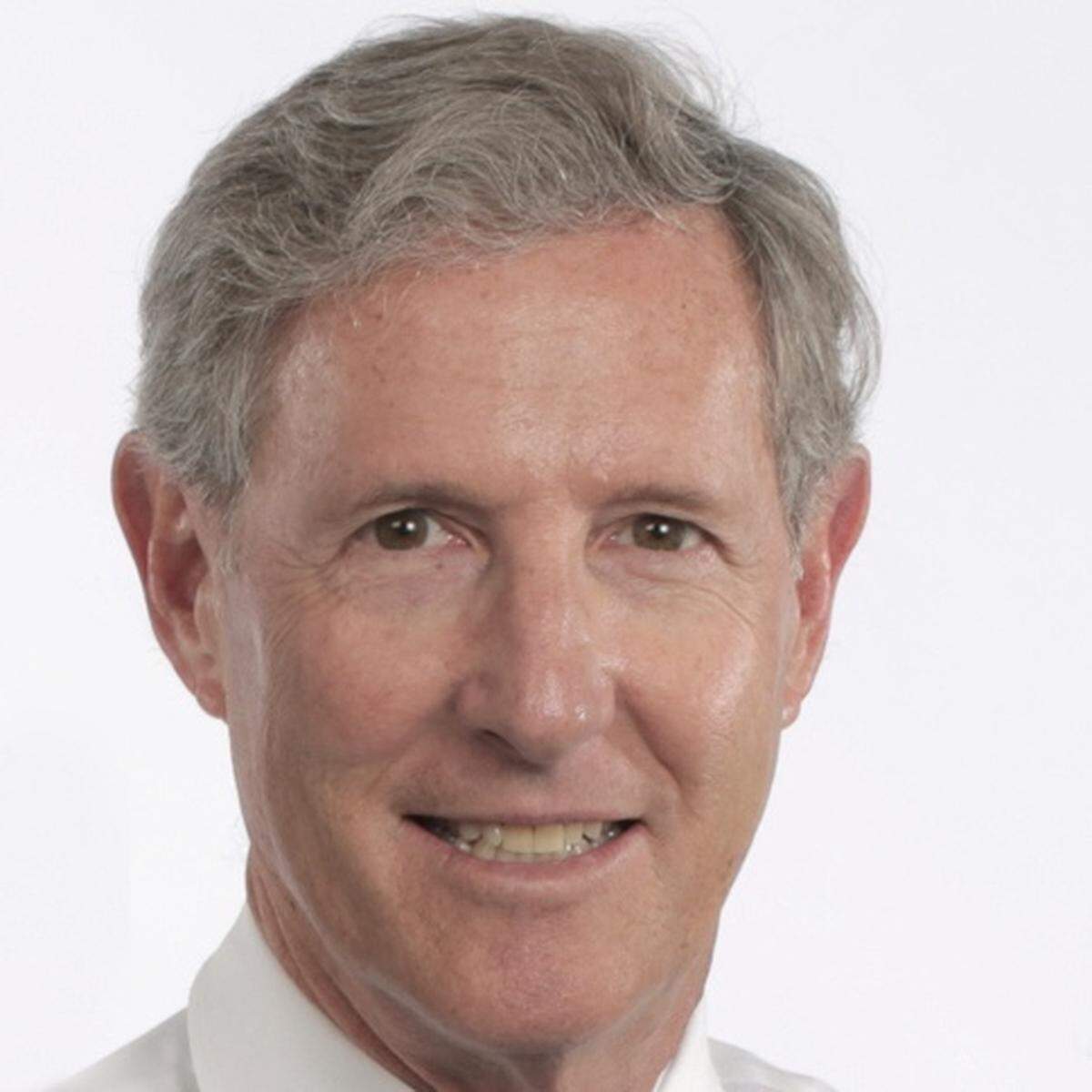
Leon Kellner, former U.S. attorney during ‘Miami Vice’ era, dies at 75
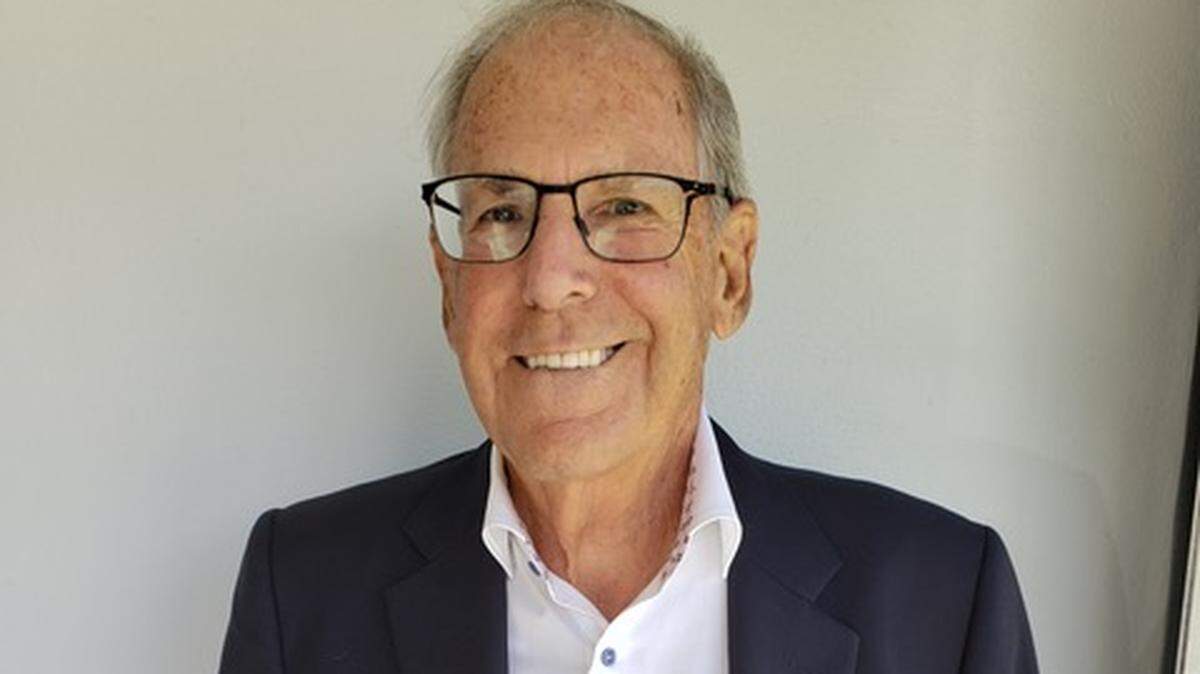
Leon Kellner was already a seasoned trial attorney in New York when his former Harvard Law School roommate, Stanley Marcus, the top federal prosecutor in South Florida, called him with a job offer: how about coming down to Miami to work at the U.S. Attorney’s Office?
Time Magazine had just described the place as “paradise lost,” awash in violent crime, drugs and refugees.
Kellner grabbed the opportunity to be the chief of the office’s civil division in one of the nation’s hot spots. “He threw himself into the job like he threw himself into everything,” Marcus recalled Thursday. “He was a man of tremendous enthusiasm.”
Kellner would go on to succeed the legendary Marcus, who became a federal district and appellate court judge, as the U.S. attorney in 1985. Kellner oversaw drug-trafficking prosecutions of the Colombian cartels, Panamanian dictator Manuel Noriega and the so-called Miami River cops. During his tenure as U.S. attorney, his life was even threatened.
Kellner, 75, who died Tuesday after battling pancreatic cancer, was remembered as a man who loved the law, his family and the game of golf. He chose the location of his retirement home in Coral Gables because it was close to the Biltmore Hotel’s historic course.
“He was the most generous person in my life,” said his wife, Ellen, who was a widow with two daughters, Elizabeth and Allison, when she met Leon soon after he moved from New York to Miami to work at the U.S. Attorney’s Office. “He was that way with everybody.”
Kellner was raised by Jewish parents who escaped Nazi Germany and settled in New York City, where he attended Stuyvesant High and SUNY Buffalo. After graduating from Harvard Law School, Kellner distinguished himself as a trial attorney in major cases. They ranged from North American Rockwell’s victory in obtaining the rights to build the engines for the space shuttle to representing policy holders against insurance companies in asbestos and environmental claims.
“He was a real sought-after litigator,” said his daughter, Elizabeth Olsen.
Which is why Marcus, as the U.S. attorney in the early 1980s, recruited him to Miami.
“It was at a time when South Florida faced a critical mass of crime,” Marcus said. He pointed out that in that “Miami Vice” era, the federal government devoted significant resources to expanding the prosecutor’s office, federal agencies and the courts because of the onslaught of drug trafficking, violent crime, financial fraud and money laundering in the region.
Kellner rose quickly through the ranks, as the chief of the civil division, then as executive assistant and first assistant to the U.S. attorney. Marcus said he was perfectly suited to take over as the top federal prosecutor because he was a skilled litigator with smarts and instincts who hired talented lawyers and trained them for trials.
“He was a first-rate U.S. attorney,” Marcus said.
Among high points in Kellner’s tenure was the indictment of Noriega, the Panamanian strongman, in February 1988. The military leader was accused of taking at least $4.6 million in payoffs from members of the Medellin Cartel to protect cocaine shipments and launder money.
Kellner’s office also indicted several members of the Medellin Cartel, which was responsible for 80 percent of the U.S. cocaine supply. Among those indicted were reputed cartel leaders Jorge Ochoa, a fugitive at the time in Colombia, and Carlos Lehder, who was convicted at trial.
His office also prosecuted the “Miami River Cops” case, which involved corruption and drug dealing by members of the city’s police department.
Miami lawyer Dick Gregorie, who was also hired during this era by Marcus to head the narcotics section of the U.S. Attorney’s Office, was the lead prosecutor in the Noriega case. He eventually became Kellner’s first assistant. He described him as a man of character and conviction, pointing by way of example to a confrontational experience Kellner had with a senior White House official over the controversial Noriega case in early 1988.
When Kellner met with the head of the National Security Council just before indicting the Panamanian military leader, the U.S. attorney was met with fierce resistance.
According to Gregorie, the NSC official told Kellner: “Where the hell do you get off indicting a head of state?”
Kellner’s response was no-nonsense: “Where the hell do you get off telling me who I can indict?”
Gregorie, who is now retired after a storied career as a federal prosecutor, said that despite the political ramifications, Kellner “wanted to make it absolutely clear he was going to indict this case.”
After leaving the U.S. attorney’s job in June 1988, Kellner moved with his wife, Ellen, to Washington, D.C., where he resumed litigation work on complex insurance and environmental cases. Before retiring from the law in 2016, he spent three years focused on a large case against the insurers of the Tennessee Valley Authority’s fossil fuel plant, which caused a toxic spill and more than $1 billion in environmental damage to the Tennessee River.
In Coral Gables, where he and his wife retired, Kellner served on the executive board of the Coral Gables Neighbors Association, using his legal skills to fight for the preservation of landmark architecture in the community, his family said.
Kellner, who also served in the U.S. Army Reserves, is predeceased by his parents, Simon and Fanny Kellner. Kellner is survived by his beloved wife, Ellen, two daughters and four grandchildren. He is also survived by his brother, Dr. Melvyn Kellner, and three nieces. The family is planning a private service and requested that donations in his name be made to the Miami Cancer Institute at Baptist Health, South Florida.
This story was originally published October 8, 2021 at 7:00 AM with the headline "Leon Kellner, former U.S. attorney during ‘Miami Vice’ era, dies at 75."