‘Cross between E.T., gremlin and a very old Benjamin Button’ is born at Zoo Miami
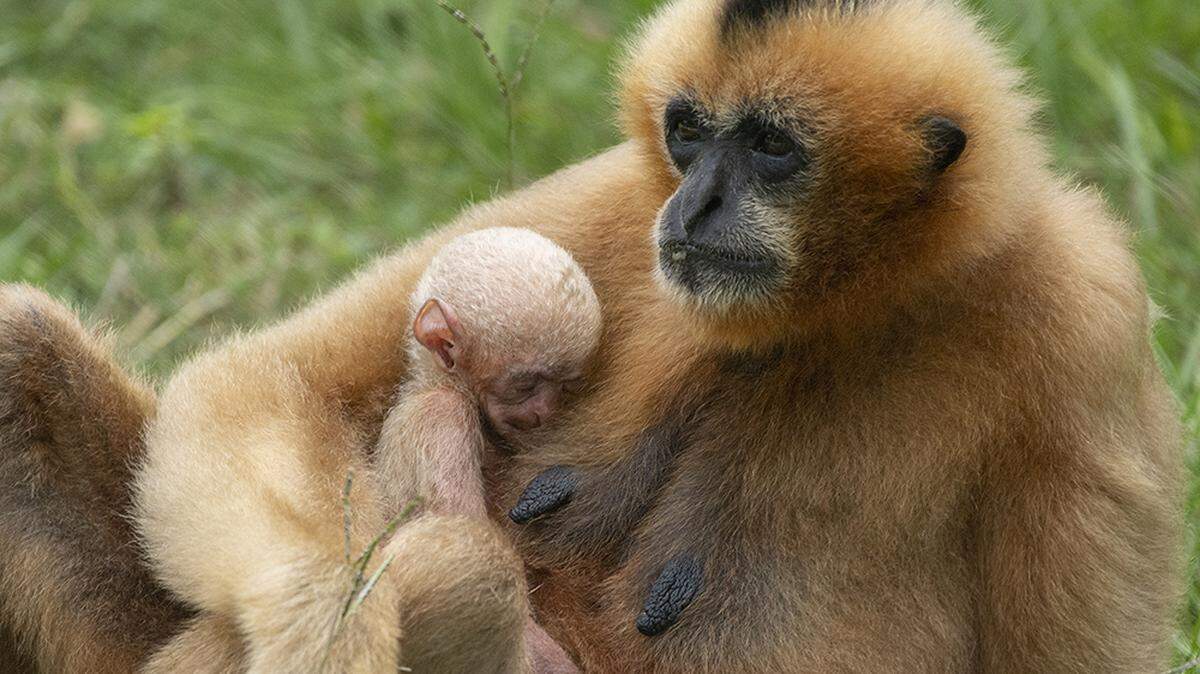
Likening its newborn to “a cross between E.T. and a gremlin that turned into a very old person — thinking Benjamin Button,” Zoo Miami’s Ron Magill shared pictures of a critically endangered white-cheeked gibbon that was born at the attraction on Sept. 4.
The baby is only the second white-cheeked gibbon born in the zoo’s more than 30-year history, Magill said, and 18-year-old Millie is mom to both. Her first was born in August 2013.
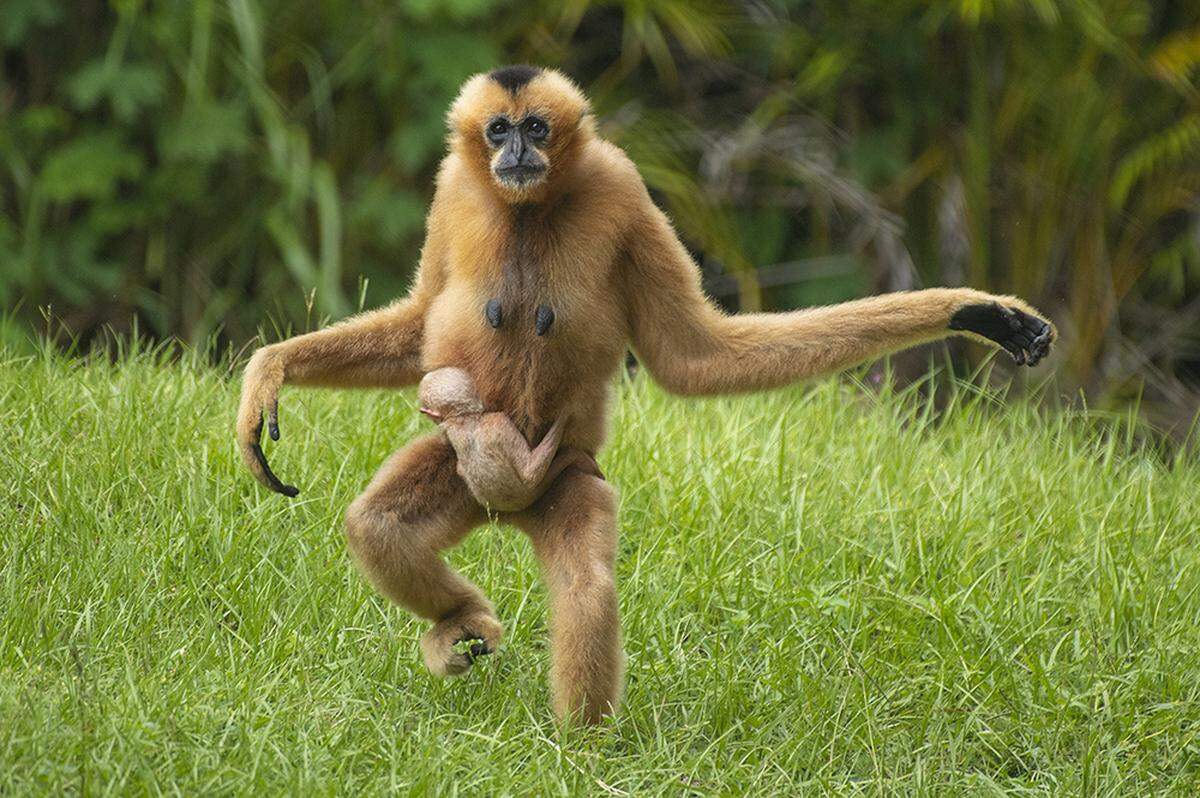
This is the first offspring for the 9-year-old presumably proud pop, Cuong.
Zoo officials haven’t confirmed the newborn’s sex yet but indications suggest it’s a male, Magill’s media release said.
The newborn white-cheeked gibbon made its public debut on Wednesday alongside Millie and Cuong.
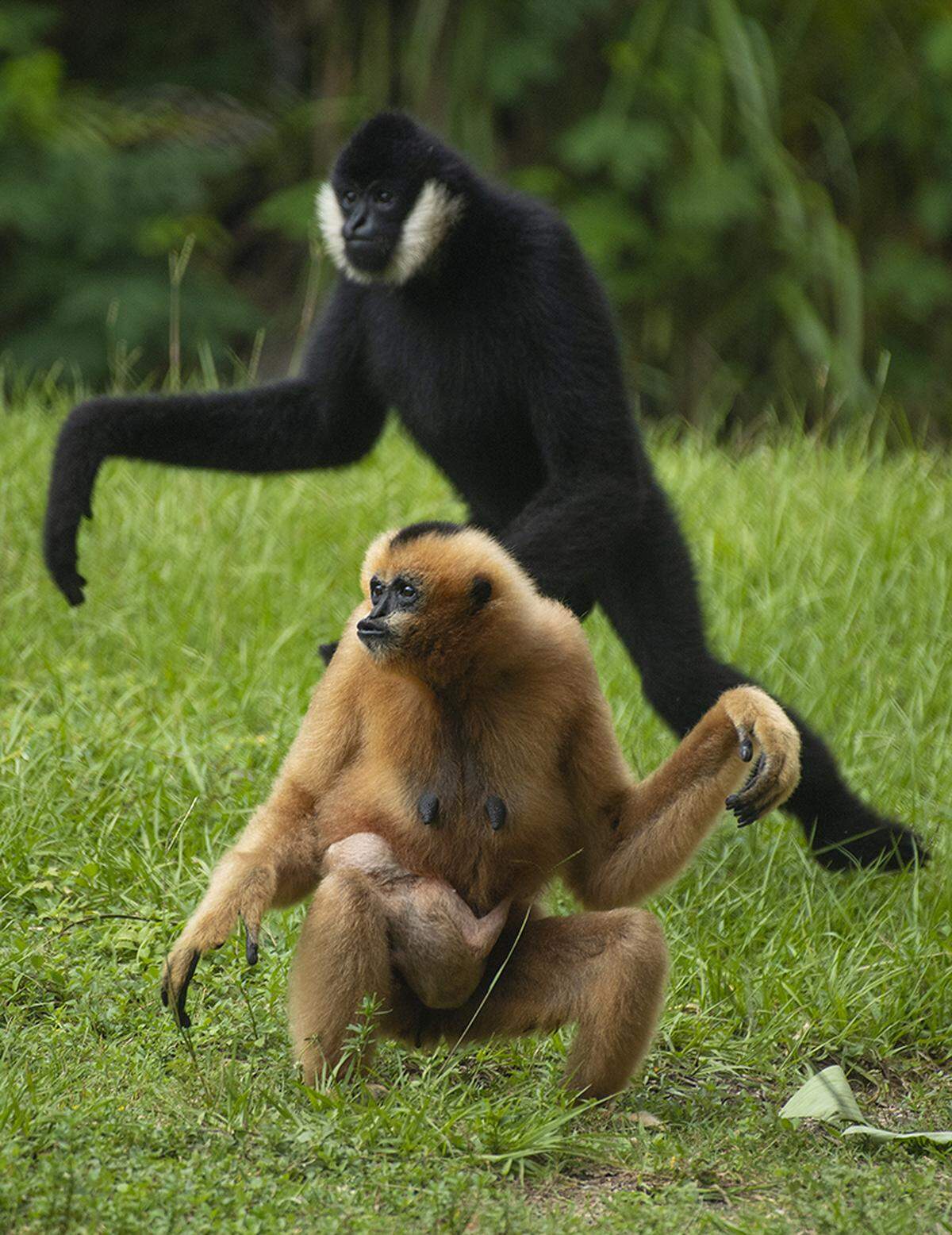
Gibbons typically live in the evergreen tropical rainforests and monsoon forests of Laos, Vietnam and southern China. White-cheeked gibbons are critically endangered, according to the Smithsonian’s National Zoo and Conservation Biology Institute, due in part to poaching and habitat loss.
White-cheeked gibbons, monogamous and distinctive for their high-pitched calls that can be heard for miles, feed on fruits, leaves and some invertebrates, Magill said.
The new family “will gradually be given more and more time on their habitat until the staff feels that they can be out there full time with the two orangutans that they share the space with,” Magill shared on Facebook.
This story was originally published September 10, 2021 at 12:27 PM.