South Florida’s large Haitian-American community watches news from the island closely
The assassination of Haitian President Jovenel Moïse shocked Haitians across the Americas, and some of the strongest reverberations shook South Florida neighborhoods that are home to one of the largest diasporas.
The migration from the Caribbean nation over the past several decades seeded a vibrant community with increasing cultural and political influence in South Florida. The U.S. Census estimates more than 300,000 people with Haitian ancestry reside in Miami-Dade, Broward and Palm Beach counties, but many believe that number is an undercount.
So news in Haiti, the first free nation founded by former slaves on Jan. 1, 1804, is news across South Florida.
“Beyond the numbers, it’s the roots,” Gepsie Metellus, executive director of Sant La Haitian Neighborhood Center in North Miami, said of the deep connections between Miami and Haiti. “Those roots are reaffirmed by not just the fact that we were born in Haiti, but some of us travel often to Haiti, and all of us have family, friends and loved ones in Haiti.”
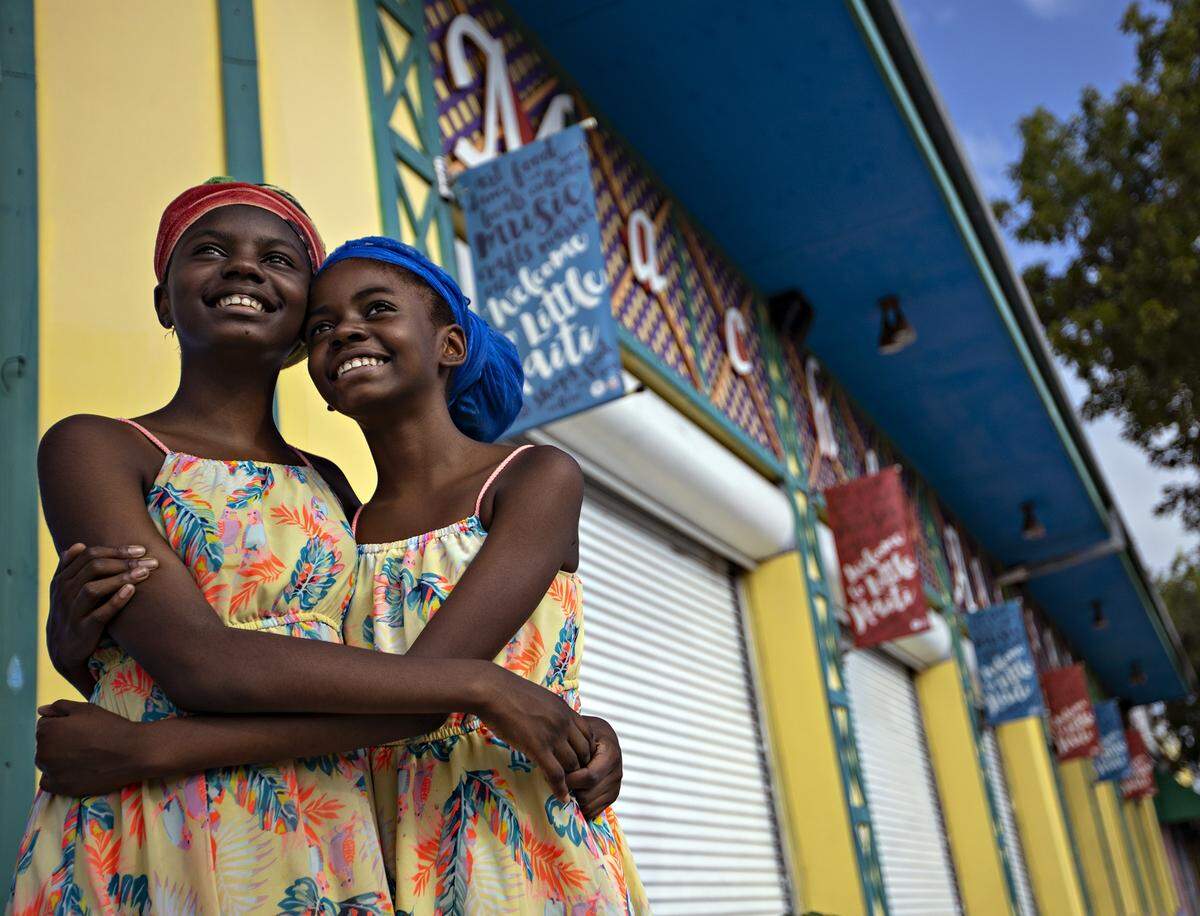
And it isn’t just about Little Haiti, the Miami neighborhood where so many migrants first settled amid decades of political and economic turmoil in the island. Other cities in Northeast Miami-Dade County have become hubs of Haitian-American political influence. For the first time this year, a majority of the North Miami Beach City Commission is Haitian American. So is the city council in adjacent North Miami.
“In North Miami, we have the largest diaspora of Haitian Americans living in our city, so we are almost immediately impacted by this,” said North Miami Councilwoman Mary Estimé-Irvin, 50, at a press conference Thursday where she and a host of local politicians called for international aid to Haiti in the wake of the turmoil.
Over time, local power structures have changed to reflect the growing population and its influence.
In 2000, El Portal elected the United States’ first Haitian-American mayor, Philippe Derose. A year later, North Miami became the first sizable city to elect a Haitian as mayor, Josephat “Joe” Celestin.
Two decades later, Haitian Americans hold elected offices in city and county halls and in the state Legislature. Presidential candidates come to Little Haiti in Miami — the only neighborhood in the city to have boundaries designated by elected officials — to court votes.
President Joe Biden campaigned at the Little Haiti Cultural Center in October, when he told voters it was not time to end Temporary Protected Status for Haitians, which grants temporary humanitarian protections for eligible Haitians living in the U.S. In May, his administration granted a new 18-month TPS designation to Haiti, a measure that could protect tens of thousands of people.
Local mass media have also evolved to cater to the diaspora. Political discourse and news about the Miami area and Haiti can be heard in French and Haitian Creole on the radio, ballots are printed in Haitian Creole language during elections and news conferences for several governments often feature Creole translation.
In a demonstration of the community’s clout, elected Haitian-American officials not long ago formed the National Haitian-American Elected & Appointed Officials organization, and they have been increasingly demanding better Haiti policies from the Biden administration.
Advocates such as Metellus, 61, said they hope the increased clout and visibility will force federal policymakers to pay attention, especially in moments of crisis.
“If Haitian-American elected officials and the rest of the Haitian-American civil leadership can understand how to leverage the power that we hold collectively, I think we can be a significant force in developing U.S.-Haiti policy,” she said.
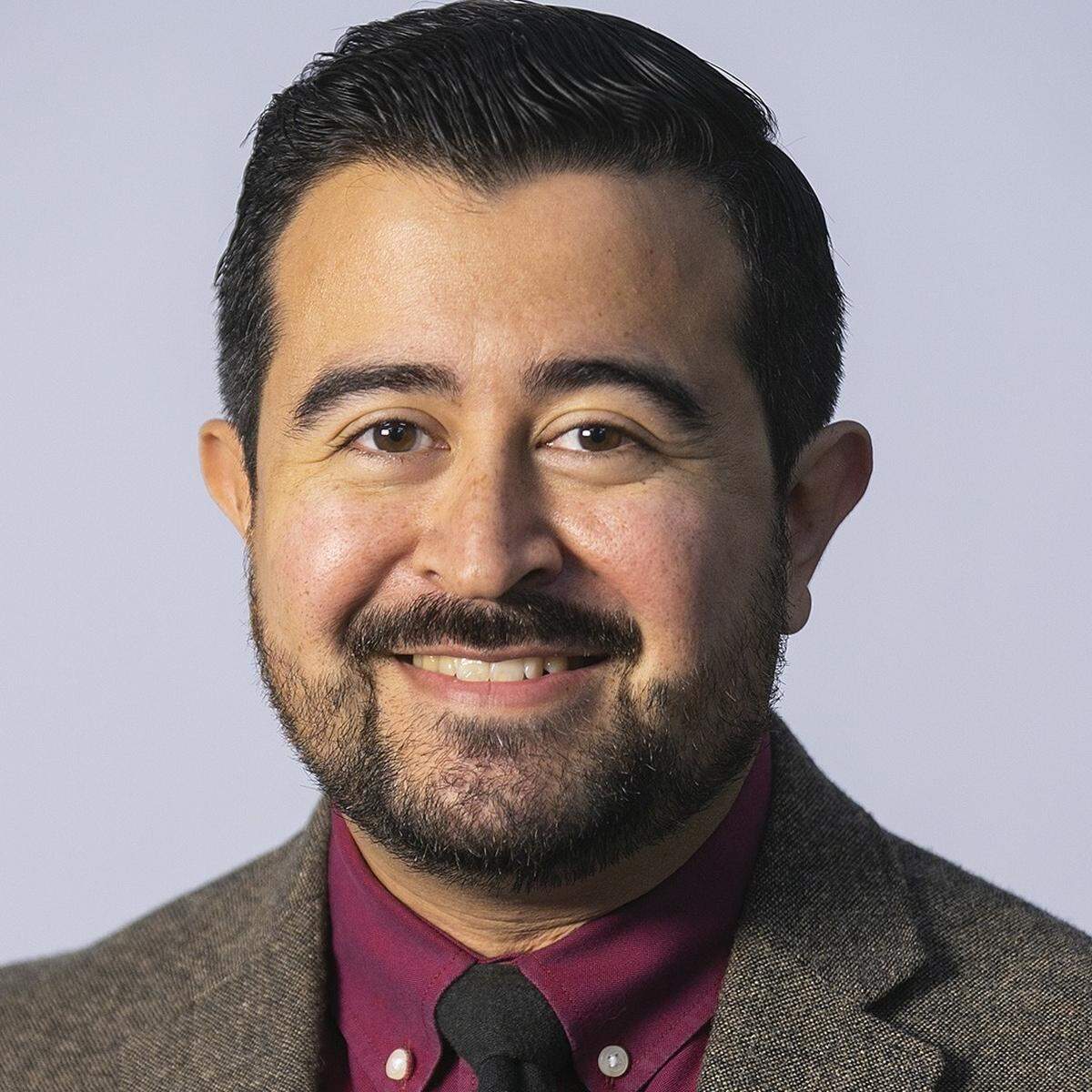
Francois Alexandre, a candidate for the Miami city commission this year who was born in Haiti and grew up in South Florida, hopes to add his name to the list. But as he enters politics in Miami, the instability in Haiti makes him worry about his cousins on the island. The assassination and the remaining unanswered questions were unsettling for the 35-year-old, who longs to see a stable, democratic and prosperous Haiti.
“For us to wake up and find out the sitting president was assassinated, that is absurd. We would never have thought it would have come to this,” Alexandre said. “So my heart goes out to his family, and to him himself. My heart also goes out to all of Haiti and all Haitians. How do we pick up the pieces of what happened?”
This story was originally published July 9, 2021 at 6:09 PM.