
Miami-Dade may hike ‘affordable’ housing price for county buyer programs
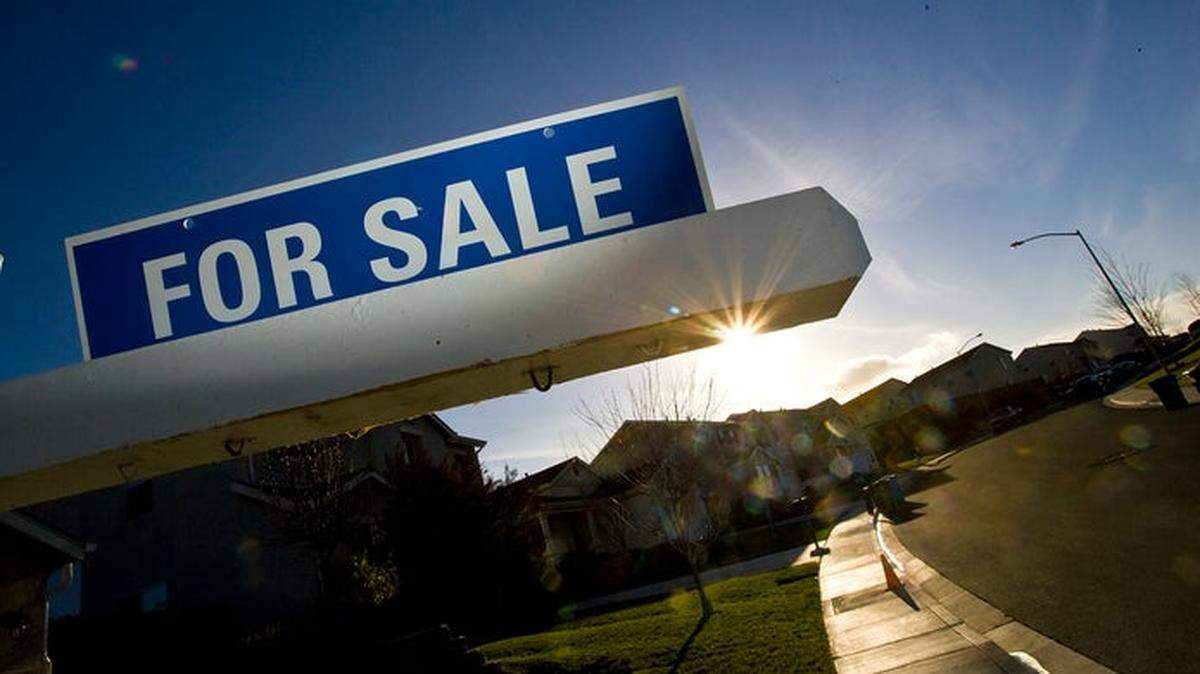
Rising real estate prices are on track to claim another victim: bargain prices for homes built on free county land for modest-income buyers in Miami-Dade County.
Miami-Dade commissioners on Thursday advanced a proposal for a 46% increase in the cap the county places on houses built on county land under an affordable-housing program that hasn’t produced much inventory over the years. Developers receive the “infill” lots for almost nothing, and can keep the profit of any real estate sold. One major catch: A house can’t sell for more than $205,000, a limit that was initially governed by a formula that kept it below $200,000 until the county froze it at $205,000 in 2017.
“It was arbitrarily set,” said Michael Liu, the county’s director of Public Housing and Community Development since 2014.
Developers complain the cap is too low to cover development costs and still allow for a modest profit, leading to dozens of spare county lots sitting vacant. While commissioners regularly sponsor $10 sales of the county lots to developers, most of the land isn’t converted into housing.
The county first established the formula behind the $205,000 cap about a decade ago and locked it in at that amount in 2017 for homes built on county land. Miami-Dade’s Public Housing department says current residential development costs average around $245,000 per single-family home on county lots where utility hook-ups and pipes often have to be added.
“With the cost of construction these days, it’s very difficult to make the numbers work,” Armando Cazo, president of Cazo Construction, a company with multiple county lots in the infill program, said during a Thursday hearing before the commission’s Public Housing committee. “My fear is the program is going to come to a halt. In the last few years, we’ve done very little on it.”
Why Miami-Dade sells so few affordable houses
While the $205,000 price cap gets the most attention for the infill program, advocates of the higher price say the limit has a much larger impact on other county programs. One is the county’s effort to subsidize large developments with its share of state real estate surtaxes.
Developers compete each year to build affordable rental complexes with the surtax money, but Miami-Dade rarely uses the same model to create below-market condominiums or townhouses for sale. Advocates blame the $205,000 price cap when compared to construction costs, since for-sale housing offers developers a one-time payment compared to the endless stream of revenue from rentals to recoup costs. Florida requires counties to reserve surtax dollars for homeownership programs, and Miami-Dade has millions unspent from that program.
“What we’re doing now just isn’t working,” said Eileen Higgins, the county commissioner sponsoring the legislation.
What’s an affordable house in Miami-Dade?
The legislation passed the committee unanimously Thursday, on its way to a final commission vote later in the summer. It would use federal formulas to reset the county’s affordable-housing prices, setting a new cap for now at $299,000. The formulas set the prices at between 90% and 95% of market rates, so the cap would climb with other real estate values in Miami-Dade.
The Higgins legislation shows the proposed price cap would be close but slightly above what the typical Miami-Dade household could afford. A family of four with a combined income of $91,400 — the median household income in Miami-Dade — could afford a house worth $297,000, according to estimates from the U.S. Department of Housing and Urban Development.
One flip side for the higher prices for houses is the cap would also apply to a county program providing below-market mortgages for first-time home buyers. Some options require lenders to match the county’s affordable-housing cap, meaning the loans are only available to homes selling for $205,000 in a market where the median sales price recently topped $500,000.
Houses for sale make up a small portion of Miami-Dade’s programs for affordable housing, which mostly produces rental apartments and townhouses using county subsidies and, often, county land awarded after Miami-Dade solicits bids from developers. Rents for those units aren’t affected by the Higgins proposal. The same subsidies could be used to produce condominiums and townhomes, with developers keeping the profits at closing.
An affordable housing group, Miami Homes For All, spoke in favor of the proposal at the Public Housing and Community Services committee. None opposed it.
“We know construction prices are increasing. We know housing prices are also soaring,” said Sabrina Velarde, policy analyst for Miami Homes For All.
“We really believe affordable housing is a solvable problem,” Velarde said. “This item is just one tool in the tool box.”
In the three years before the pandemic, the county’s “infill” program for affordable houses produced 91 homes — fewer than three a month in a county with nearly 3 million people. The top developer in the program is the nonprofit Habitat for Humanity, which doesn’t count on profit to sustain its home-building operation.
Reverter clauses for infill lots hardly used
The county includes reverter clauses on the properties allowing Miami-Dade to take back the land if no housing gets built, but that’s rarely exercised. The county’s Public Housing department said in 2020 it was only aware of one time a reverse clause was used to take back an infill lot.
Miami-Dade hasn’t yet tried a formal bidding process for affordable-housing lots. Instead, individual commissioners have exclusive access to recommending developers for lots in their districts, with no advertising for available land or bids required.
Infill developers have lobbied for years to boost the price cap, only to meet resistance from commissioners. A top opponent, Commissioner Jean Monestime, said Thursday he’s changed his mind based on soaring construction costs.
“So much has changed,” he said. “It’s a totally different ball game today.”
The higher price cap could mean a big payoff for would-be infill developers who have locked up county lots for years without building on them. While the current Higgins legislation doesn’t automatically apply the higher price cap to existing lots, it would let the district commissioner for each lot propose lifting the price restrictions to meet the new limit.
Liu suggested that’s been the plan for some developers.
“There are certainly those developers who have proceeded in good faith and then things changed,” he said. “Frankly, there have been others where there may be questions as to whether or not in accepting the properties, that they really intended to move in an expeditious ... fashion knowing there was an item like this in the works.”
This story was originally published June 11, 2021 at 2:38 PM.