
Nearly empty Miami-Dade buses left passengers stranded in pandemic. Rules are changing
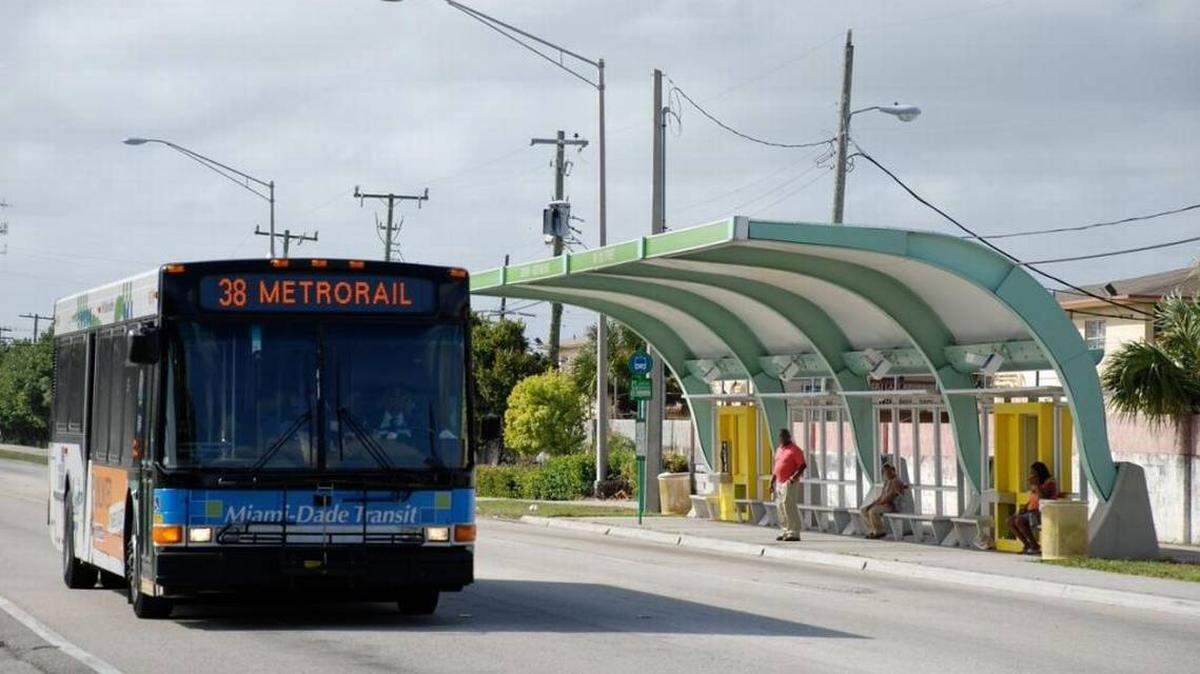
Miami-Dade’s transit agency continues to lift COVID-19 restrictions, with plans to nearly double capacity limits in some buses starting Sunday.
Rules in place since March have left passengers stranded at bus stops as nearly empty buses drive by — and transit demand increased. Capacity caps cut available seats and standing room down to a third. On Sunday, capacity caps will remain but will be less strict.
For 40-foot buses, the most common vehicle in the county’s fleet, passenger limits will jump from 19 to 36. Those buses can carry as many as 60 people, so some seats will remain off-limits to passengers, according to a press release.
The announcement is the latest move toward normalcy for Miami-Dade’s bus and train system, which has been fare-free since March 2020. Miami-Dade already announced fares will be returning June 1.
Miami-Dade said it is also is loosening capacity restrictions on trains: Metrorail’s official caps are moving from 32 passengers per car to 50, and Metromover cars from 25 to 35. Rules on trains were less likely to be enforced on trains that are either automated or typically staffed only by operators.
Miami-Dade also will allow 60-foot accordion buses to move from a cap of 40 people to 57. Masks remain mandatory for all passengers.
This story was originally published April 23, 2021 at 6:00 AM.