Longtime Miami-Dade ethics enforcer Michael Murawski to depart for new role
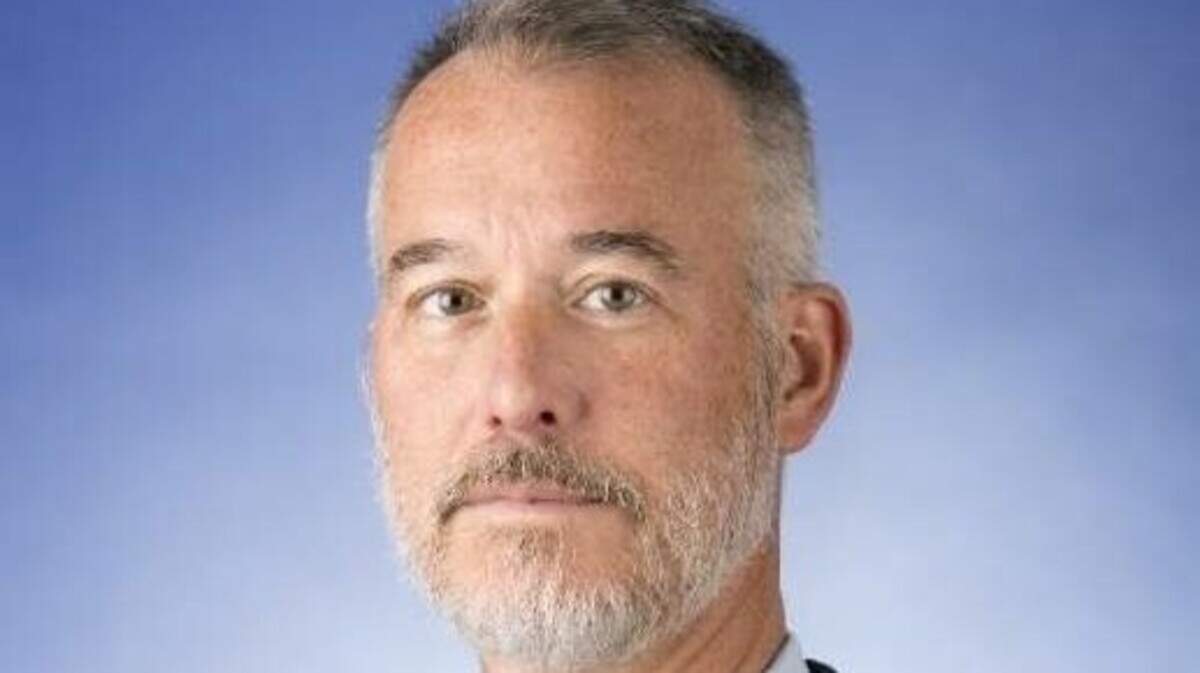
Michael Murawski, a high-ranking official on the Miami-Dade Commission on Ethics and Public Trust for over two decades, is expected to depart to lead a new ethics board in Naples.
The Naples Ethics Commission picked Murawski as its first executive director Tuesday from a group of finalists. Murawski hasn’t signed a contract there yet, but he said in an interview Thursday that he has an agreement in place to start in Naples on June 1.
“It’s exciting to help a city start its own ethics commission,” Murawski said. “It’s like going back in time 20 years.”
Murawski — whose exit follows a minor dust-up with the ethics commission’s appointed board — has been a staple of Miami-Dade’s ethics commission since 2000, joining shortly after residents voted to create it in 1996. As the so-called “advocate” for the commission’s enforcement unit, he has essentially acted as a prosecutor, overseeing investigations, making recommendations to the ethics board on whether to pursue cases and trying cases that go through a hearing process to potentially impose civil penalties on county and municipal elected officials and employees.
He has also played a role in providing ethics training to government officials and drafting ethics opinions when officials seek guidance.
“If he comes to terms with Naples, they’re getting a very qualified guy to take over their shop and to build over there,” said Jose Arrojo, the Miami-Dade ethics commission’s executive director.
Murawski said the commission’s collaborations with the Miami-Dade State Attorney’s Office have led to criminal charges against various elected officials and their removal from office during his tenure. Among them were a corruption case against former Homestead Mayor Steven Bateman that led to his conviction in 2014 and, more recently, a case against North Bay Village Commissioner Andreana Jackson for using village staff to plan a private educational event.
“At the beginning we were labeled as a paper tiger, an agency that couldn’t do anything,” Murawski said. “[But] we had a very good working relationship with the State Attorney’s Office. We probably removed at least half a dozen people from office because of criminal charges.”
Murawski’s county-funded annual salary is around $192,000.
The commission, an independent agency that serves as both an ethics guide and a watchdog for public officials, has been criticized at times for choosing not to pursue certain cases and for its limited power to discipline those who are caught violating county rules.
In 2016, Hialeah Mayor Carlos Hernandez famously paid the commission in pennies and nickels after receiving a $4,000 fine for publicly lying about his businesses dealings with a convicted Ponzi schemer. In December, the commission decided not to fine state Rep. Michael Grieco despite finding he had lied about his involvement with a political action committee, instead making him pay attorney fees and “court costs” and issuing him a letter of instruction.
But Arrojo, the executive director since 2018, praised Murawski for enduring the “daily grind” of reviewing cases, deciding when to file formal complaints, and “getting beat up by people that disagree with your opinions.”
“That’s what I’ve seen in Mike day to day,” he said. “I’d hate to see him go.”
Murawski and Arrojo both said Murawski’s departure was unrelated to a conflict at the commission’s February meeting, at which some members of the five-person board said they wanted greater access to records of the commission’s investigations, on top of memos they receive from Murawski summarizing his findings and making recommendations to pursue or drop a case.
Ethics board chairman Nelson Bellido expressed frustration toward Murawski at the meeting, stressing that the board is not a “rubber stamp” for Murawski’s suggestions. Later in February, Arrojo rolled out changes to the commission’s procedures to give board members more details on the investigations conducted by Murawski and commission staff.
“Mike Murawski was not asked to leave,” Arrojo said Thursday. “He has always done a fine job since I’ve been here. Nothing having to do with that [February] hearing ... or any hearing, for that matter, has anything to do with Mike leaving.”
Murawski echoed that sentiment, saying he has “been in a lot of kerfuffles” in his nearly 21 years as the ethics advocate. Arrojo noted that Murawski was a finalist for the executive director position in 2018 and had been looking to take on a director role.
Murawski said his last day in Miami-Dade will likely be May 31, the day before he starts in Naples.
This story was originally published April 15, 2021 at 2:32 PM.