
Bitcoin exchange FTX negotiating for naming rights at Miami Heat arena, sources say
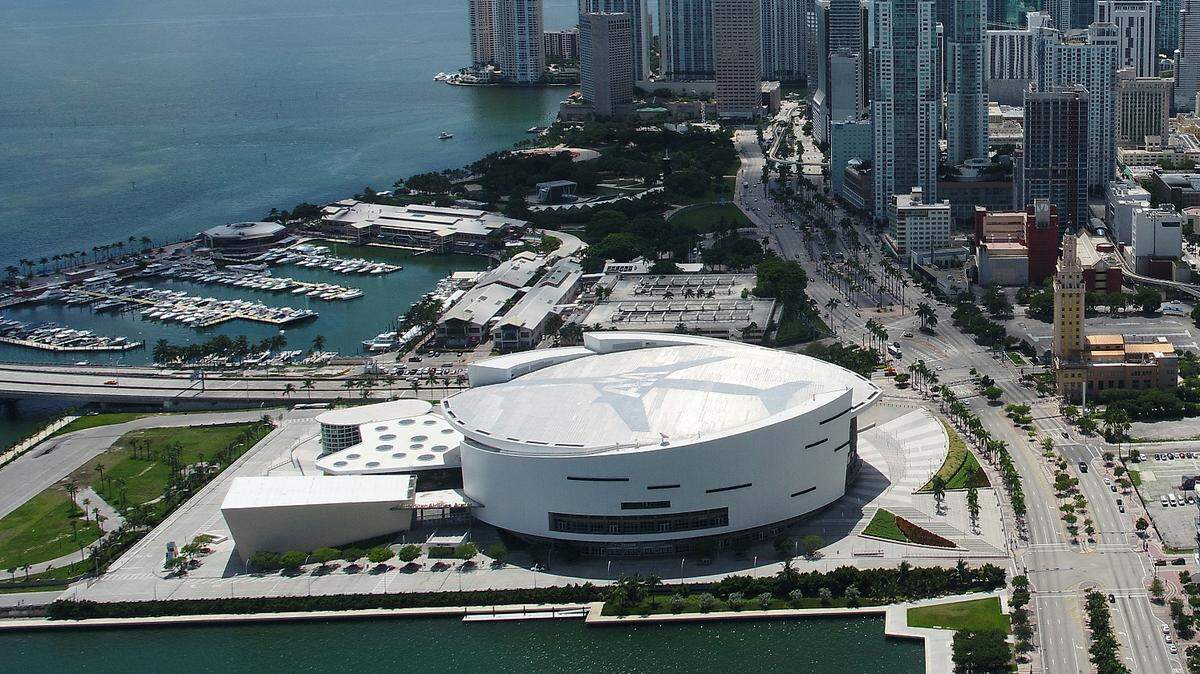
Miami-Dade County is getting closer to signing a cryptocurrency company to replace American Airlines as the naming-rights sponsor of the Miami Heat’s downtown arena, according to several sources — a deal that would deliver the NBA its first venue tied to bitcoin and other electronic currencies.
Sources identified the company as FTX, a cryptocurrency exchange with offices in Hong Kong and San Francisco. Internet breadcrumbs suggest FTX is ready to put its name on an event venue. In February, someone in Florida registered ftxarena.com, and last month also brought FTX Arena accounts on Twitter, Instagram and Facebook.
FTX’s media office did not respond to an inquiry. The Heat and the administration of Mayor Daniella Levine Cava declined interviews on the status of the naming-rights talks for the county-owned arena, which has been without a paying sponsor since the end of 2019. Superlative Group, the Cleveland company hired to find a naming-rights sponsor by Miami-Dade — which owes the Heat millions in sponsorship revenues — declined an interview request as well.
The potential naming-rights deal with a cryptocurrency company tied to the budding bitcoin market would land in the middle of a Miami moment in the tech industry. City of Miami Mayor Francis Suarez earned national attention for suggesting his city should start offering bitcoin as a welcomed currency, both for employees wanting to get paid in it and residents wanting to use it for their tax bills.
FTX crypto exchange may be new AA Arena sponsor
A deal would also link the Miami Heat’s home court with an exotic financial instrument that’s drawn skepticism from regulators. Treasury Secretary Janet Yellen recently warned about bitcoin being a danger to investors.
“To the extent it is used I fear it’s often for illicit finance,” she told CNBC. “It’s an extremely inefficient way of conducting transactions, and the amount of energy that’s consumed in processing those transactions is staggering.”
FTX operates a U.S. cryptocurrency exchange that lets people buy and sell bitcoin and five other cryptocurrencies.
The company is run by a 28-year-old former crypto trader, CEO Sam Bankman-Fried. He got attention last fall for a $5 million campaign donation to President Joe Biden, the second-largest campaign contribution for a CEO behind Michael Bloomberg. A February profile in New York Magazine declared him the “Mysterious Crytpocurrency Magnate Who Became One of Biden’s Biggest Donors.”
Should FTX win the county contract, the Heat is required to spread the brand throughout the arena, which is owned by the county but managed by the team.
A draft naming-rights agreement produced by the county shows the next sponsor will put its brand on the basketball court, on arena staff uniforms, and on game-day tickets. The sponsor also is entitled to a luxury suite, four courtside seats and front-row concert tickets, according to a draft agreement the county created, with the sponsor’s name left blank.
Naming-rights tensions and a $2 million bill
Finding a new sponsor for the AmericanAirlines Arena has been an uphill climb for Miami-Dade, sparking tension with the Heat in recent months.
At the end of 2019, the county asked the Heat for a delay in paying $2 million owed in guaranteed naming-rights revenue in hopes of landing a sponsor that could cover the cost. Superlative was close to landing a California mortgage lender, Network Capital, as a naming-rights sponsor.
According to internal county communications released this week, the Heat used Miami-Dade’s request for a delay to try to stop Superlative’s progress.
“Our client is inclined to grant the 40-day extension,” Heat outside counsel Richard Weiss, of Weiss Serota, wrote in a Dec. 29 email to county lawyer Monica Rizo, “provided that Superlative is directed to suspend any efforts to sell the naming rights.”
Rizo wrote back declining the offer, allowing Superlative to continue its talks with Network Capital. The discussions advanced far enough that Network Capital Arena was getting prepped for its public debut.
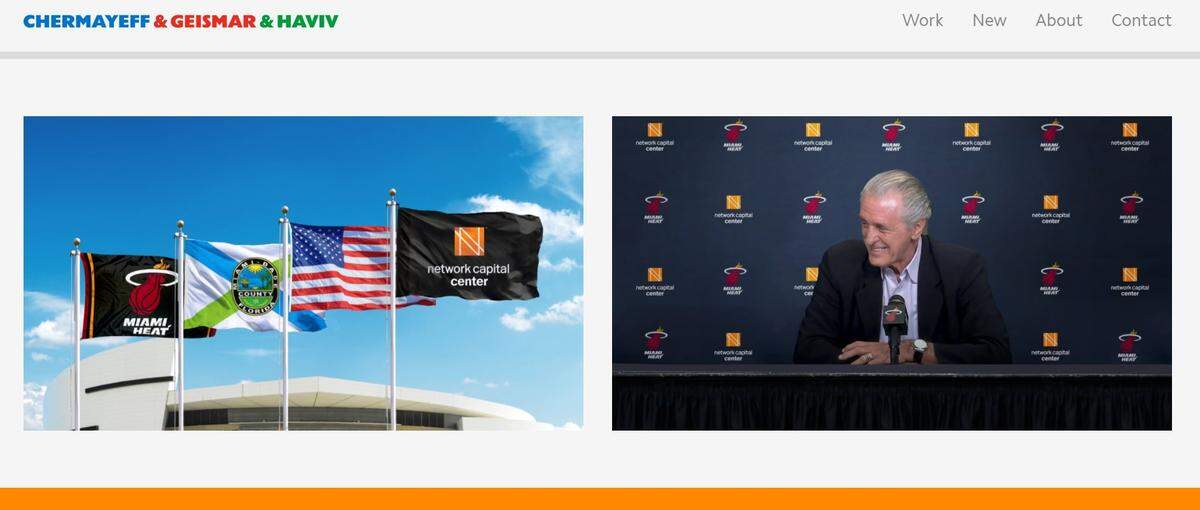
An internet registry showed Superlative registered the domain networkcapitalarena.com in late October. A New York design firm also created mock-up publicity shots showing Network Capital’s logo on the Heat scorecard, replacing the plane silhouette on the arena’s roof, and even superimposed on a backdrop in a doctored photo of Heat president Pat Riley addressing the press.
The images were posted on design firm Chermayeff & Geismar & Haviv’s “Projects” page, and included an announcement language for a deal: “To announce its arrival as a major player in the industry, in 2021 Network Capital secured the naming rights to the home stadium for the Miami Heat.” The page was taken down after inquiries by the Miami Herald.
It’s unclear why the deal fell through. Network Capital did not respond to interview requests.
In early January, Levine Cava met with Heat president Eric Woolworth to try and smooth over friction between the two sides. The Heat wanted to reopen the arena management deal that commissioners approved in 2014, which shifted naming-rights responsibility from the team to Miami-Dade.
“We would like more cooperation from the Heat in this deal,” read the talking points prepared for Levine Cava for the meeting. She described a pending deal, and a counter offer from the Heat.
“We have a prospect which we believe is a viable and good economic deal,” read the notes prepared for the mayor. “I understand the Heat has ideas for us to consider....I am willing to listen to the Heat’s deal, and if it is fair for both sides, take both options to the county commission.”
Miami Heat was against county taking over naming-rights deals
Miami-Dade released the meeting notes and other records this week, two months after the Miami Herald requested them. The internal correspondence shows hints of frustration from county administrators as they have tried to win cooperation from the Heat on closing a deal.
“FYI: tour never confirmed by team; not happening,” Daniel Wall, a county budget administrator involved in the sponsorship project, wrote Miami-Dade Chief Financial Officer Ed Marquez in an undated text. On Dec. 11, county lawyer Rizo wrote an email to Weiss, the team’s lawyer, pressing him to have the Heat cooperate on a tour with an unnamed company and noting the county had a legal right to the premises.
“As such, it is critical that the County and the prospective naming rights sponsor have access to the Arena pursuant to the County’s broad access rights,” she wrote.
The strain stretches back to 2014, when Miami-Dade commissioners approved a new agreement with the Heat that reworked the county subsidies the team receives and stripped the Heat of its monopoly on branding deals at the arena.
For the first time, Miami-Dade decided to reclaim its right to sell the name of the arena, an approach the Heat opposed as risky for a county government where advertising deals tend to involve bus placards and Metrorail signage.
Heat lobbyists tried to block the change, but Superlative representatives persuaded commissioners the county could receive millions more if the county separated the arena rights from other branding deals the Heat sells throughout the facility. American paid the Heat $2 million a year, but paid $6 million for its NBA sponsorship in Dallas.
Actually closing a deal proved a challenge even before the pandemic hit. The Heat was in renewal talks with American in 2018 when commissioners took the final vote needed to hire Superlative and have the county take over naming-rights duties. A year later, American announced it wasn’t interested in keeping its name on the 19,600-seat building past 2020.
American out, and Bang Bros raised its hand
With a public hunt underway, the Bang Bros porn site took the opportunity to offer the county a $10 million sponsorship deal in the fall of 2019.
A county spokeswoman responded “Seriously?????” when asked for comment at the time. Four days after then-Mayor Carlos Gimenez declared the county’s first seven-day pandemic emergency on March 11, 2020, the Heat sent Miami-Dade its first bill for the $2 million the team was guaranteed under the reworked naming-rights arrangement.
Miami-Dade refused to pay, claiming it had the full year to find a new sponsor and cover the Heat’s payment with the newfound revenue. But as 2020 came to a close, the county asked the Heat for another 40 days, prompting the Weiss demand to put Superlative’s work on hold.
Even with that demand rejected, the Heat agreed to temporarily delay collecting the $2 million. A county spokesperson said it still hasn’t been paid.
In a statement, the Heat’s vice president of communications, Lorrie-Ann Diaz, declined to comment and emphasized the team wasn’t in charge of finding a new name for the arena.
“In light of the fact that this is an open selection process administered by the Miami-Dade County government,” she said, “we are not at liberty to comment.”
Johnson issued a statement Friday that said in part: “The administration is currently still in negotiations, and when a deal is ready we look forward to bringing it to the Board of County Commissioners for their approval.”
This article was updated to correct the name of Miami Heat vice president Lorrie-Ann Diaz.
This story was originally published March 12, 2021 at 7:39 PM.