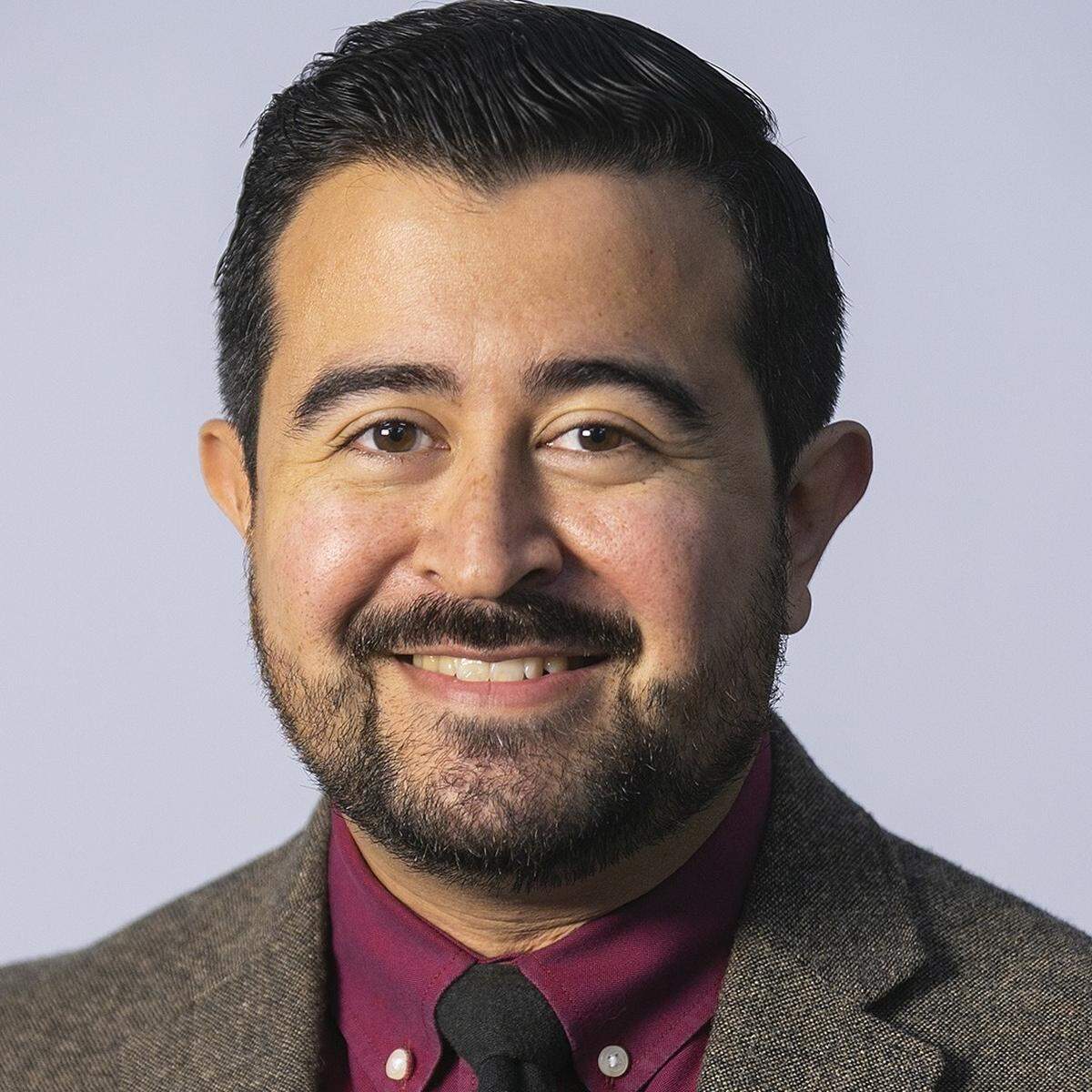
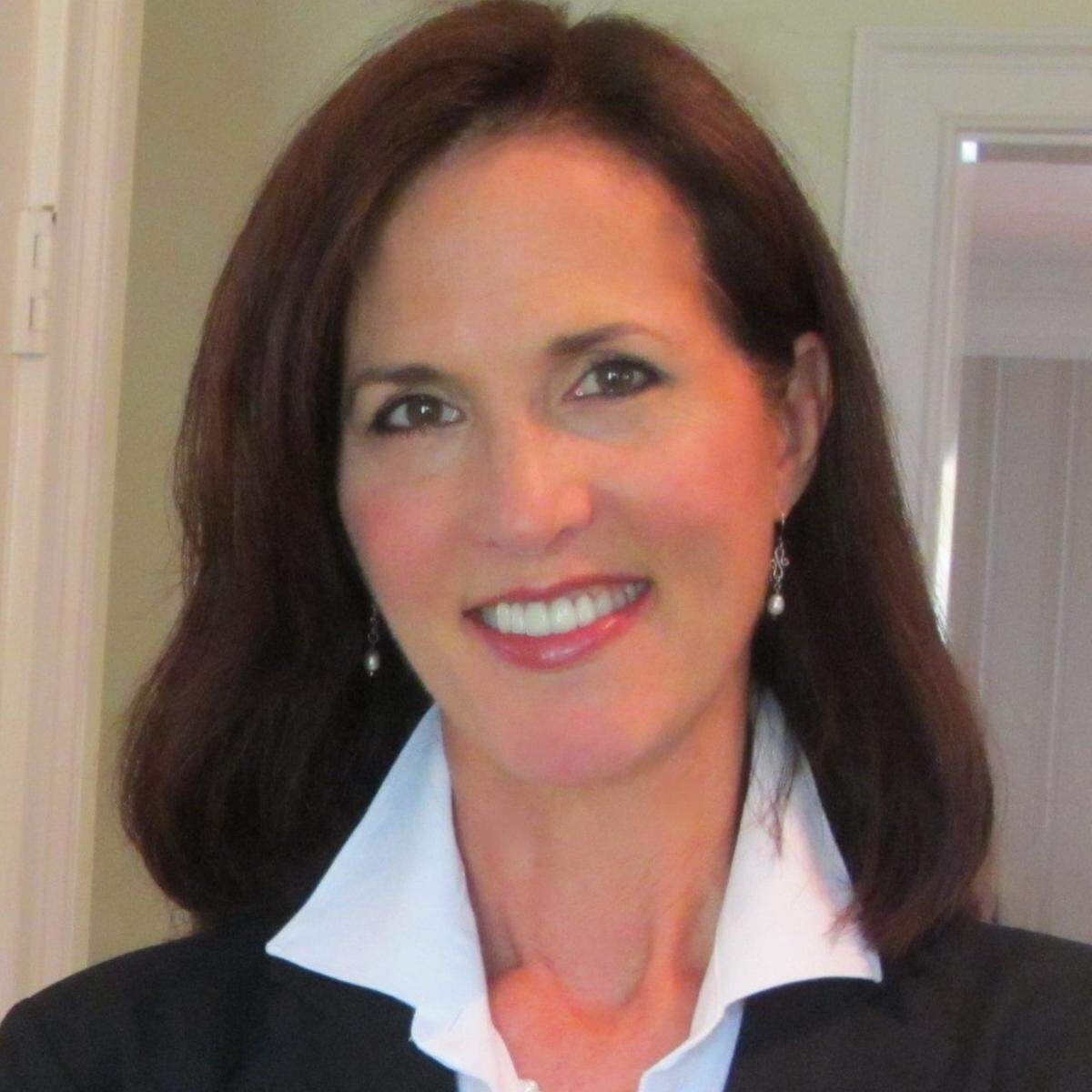
Miami hires ex-lawmaker to redraw voting map. He led state’s controversial process.
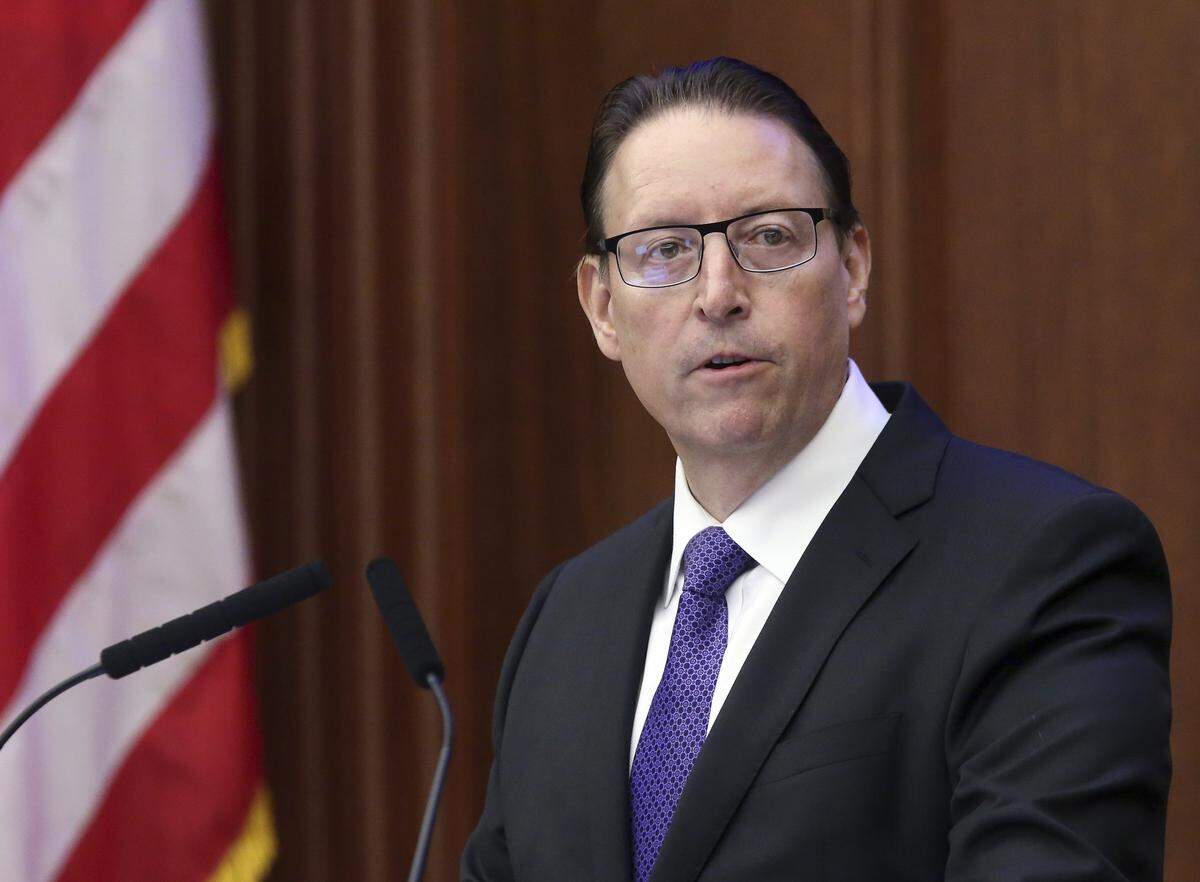
The city of Miami has hired former state Senate President Bill Galvano to serve as its $10,000-a-month consultant to redraw boundaries for municipal voter districts and possibly bolster the city’s effort to prove its population has grown enough to qualify for greater federal funding.
The Bradenton lawyer has some experience.
He led the Senate Republican’s redistricting efforts during the tumultuous years of redistricting battles that cost taxpayers over $11 million, led to four trials, three special sessions, eight rulings from the Florida Supreme Court and an embarrassing admission that Republicans intentionally drew districts that favored incumbents and parties in violation of the law.
The battle forced legislators to testify under oath for the first time and led the court to conclude that Republican leaders conspired to allow improper interference by political operatives by faking “public” submissions of draft maps, which the Senate then used to build its plan.
Galvano, who became Senate president after he served as chairman of the redistricting committee in 2015, also has contacts. He was recommended for the job by Miami Commissioner Alex Díaz de la Portilla, the former state senator whose brother, Miguel, was in the Senate with Galvano.
The map drawn by the Senate that attempted to favor Miguel Díaz de la Portilla’s district was rejected by the court. After a new district was drawn he lost to former state Sen. Jose Javier Rodriguez, who served for four years and lost his re-election bid in November by 32 votes to Ileana Garcia.
Galvano told the Miami Herald his experience with a heavily contested process suits him well for the Miami job, a point echoed by Alex Díaz de la Portilla. The commissioner said Galvano has the necessary acumen while casting the Tallahassee legal fight as the kind of partisan battle that does not belong in City Hall.
“I think what happened in Tallahassee was the result of the nastiness of national politics translated over to Tallahassee,” Díaz de la Portilla said.
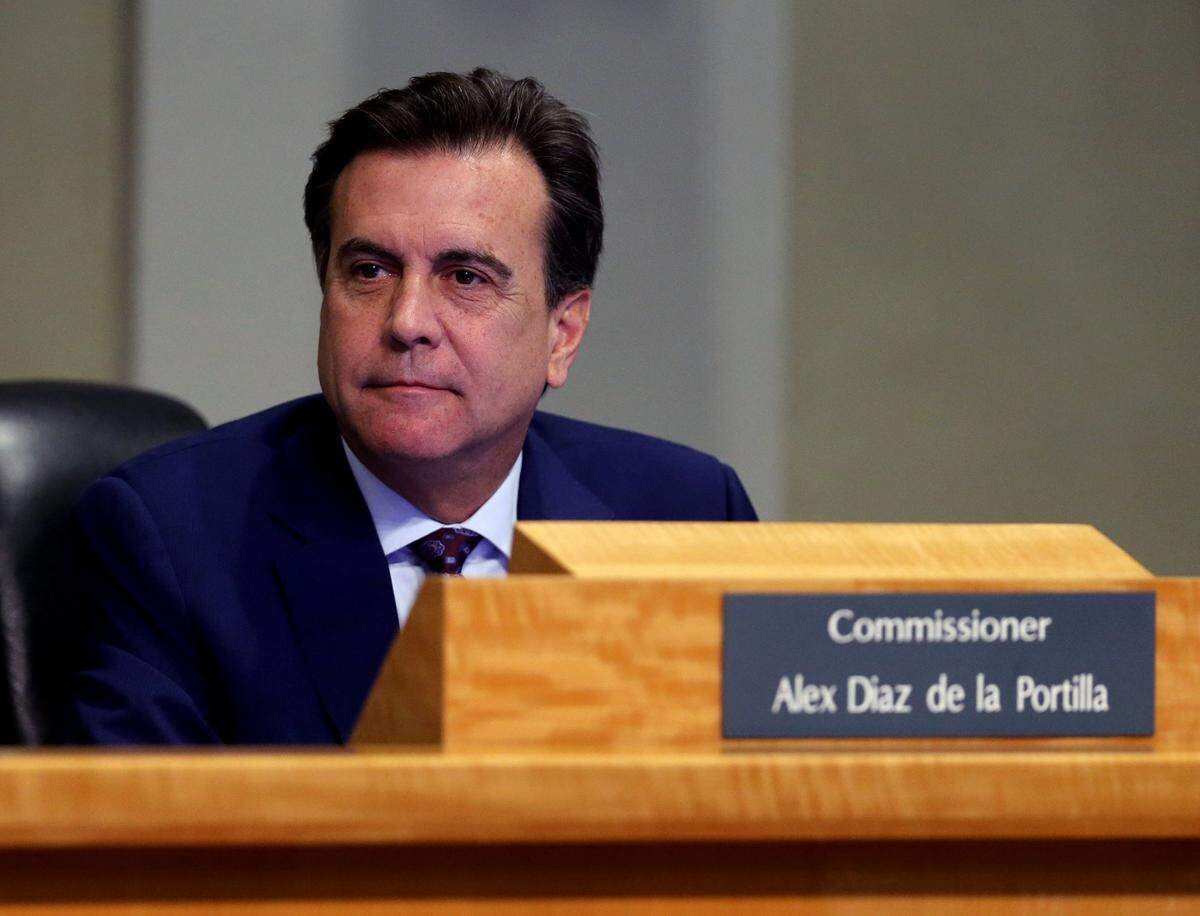
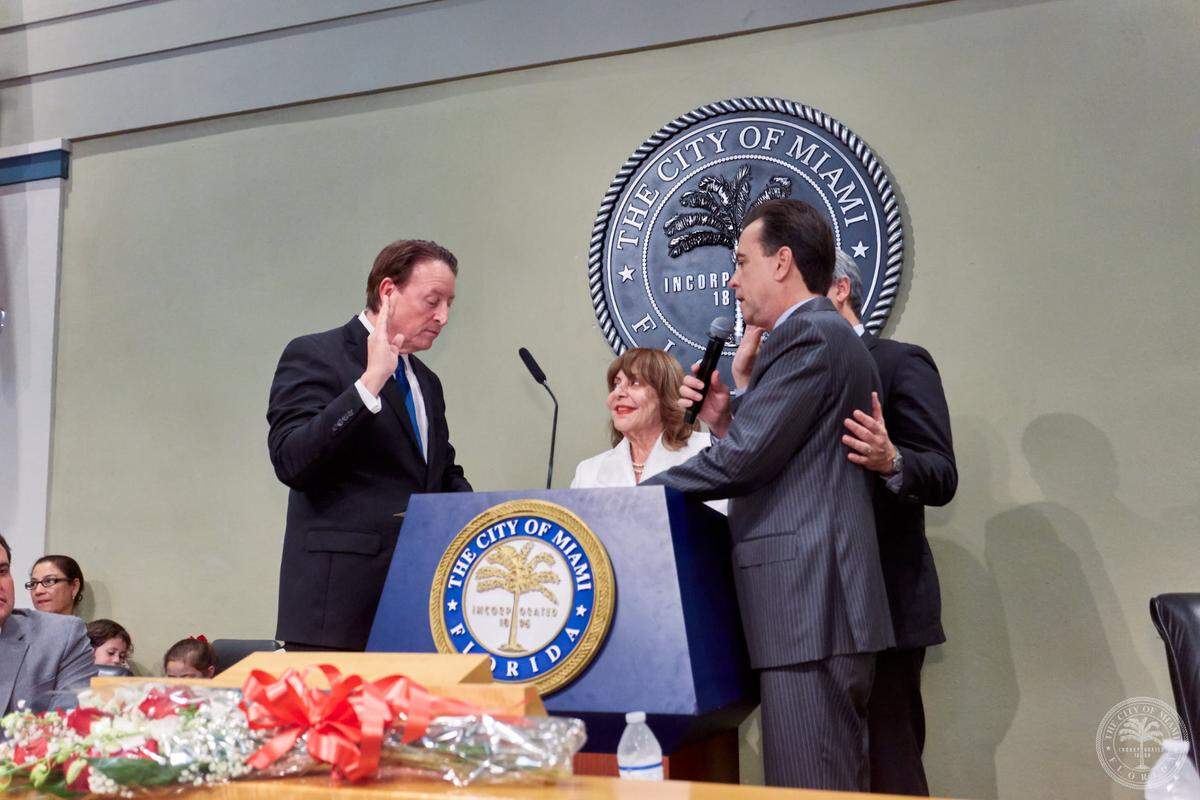
Galvano has maintained ties through the years. Galvano swore Alex Díaz de la Portilla into office in a ceremonial gathering on Dec. 7, 2019, while Miguel held Alex’s microphone. In 2016, a political committee controlled by Galvano paid $65,000 to Alex Díaz de la Portilla’s political consulting firm, First Stone Management.
Now, Galvano will study the population shifts within Miami city limits to determine if and where boundaries for the the city’s five commission districts should be moved. The once-a-decade exercise is required by law to ensure fair representation across city districts, including the commission’s ethnic and racial balance. The results could change who votes in the two district elections Miami will hold in November 2021.
Commissioners also want Galvano to assist Miami if the city’s U.S. Census count falls below 500,000, which the city could challenge. The half-million population mark is a key threshold necessary to qualify for direct federal assistance during the COVID-19 pandemic, and commissioners believe the city has more people. The most recent federal estimate for Miami’s population is almost 470,000, a number that led the city to miss out on millions in direct payments from the U.S. government under the CARES Act.
Galvano’s contract
Galvano signed a one-year consultant agreement with the city worth up to $125,000 on Oct. 14, weeks after Alex Díaz de la Portilla explained to commissioners that he’d suggested his friend lead the redistricting process for Miami-Dade’s largest city.
“Everything is going to be done very transparently with Sen. Galvano, who’s also an expert in redistricting,” Díaz de la Portilla told commissioners during a September meeting. “He’s someone, which I recommended to our city manager, that will come in as someone that has no vested interest in what happens in city of Miami politics. It’s very important because unfortunately we bring people here — I’m not overly cynical, but I’m somewhat cynical — and people have their own political interests and have their own political agendas.”
Miami commissioners approved funding for the study during their final budget hearing in the early morning hours of Sept. 25 after a marathon day. The dollars are coming out of the city’s non-departmental budget, the same pot of money that pays for outside legal services, lobbying on behalf of the city and the civilian oversight board that investigates claims of police misconduct.
Under the terms of the contract, Galvano is entitled to payment for “travel and other related business expenses.”
Galvano has so far submitted one invoice for $10,265.65. On the invoice, Galvano lists meetings with Miami commissioners and their staffs, including tours of city districts, and time spent researching the last redistricting study from 2012. The $265.65 over the base fee is listed as a travel expense for a late October trip to Miami for the in-person meetings.
In a Nov. 19 appearance before commissioners, Galvano said he’s preparing a preliminary snapshot of the city’s demographics using voter registration and turnout from 2012 through this year’s election, an initial analysis that should be available in early 2021. Preliminary Census numbers that are expected to be released April 1 will help finalize a redistricting study that would allow commissioners to debate the boundaries before the 2021 city election, when Districts 3 and 5 will be up for election.
“That’s a very important date for us that is necessary for us to finalize your commission districts,” Galvano said.
City commissioners would ultimately vote on the final district boundary map. Redrawn districts could impact who will vote next year in District 3, which covers Little Havana, the Roads and west Brickell, and District 5, a majority Black district that includes Overtown, Liberty City, Little Haiti, Wynwood and the Upper East Side.
On Wednesday, Díaz de la Portilla said with a priority on reaching the right population total, a possible delay to the release of Census data due to the pandemic, and a desire to hold multiple public hearings on the redistricting, newly drawn districts might not debut until 2023.
“It could take some time. Again no rush,” he said.
On Nov. 19, commissioners broadened Galvano’s responsibility to include possibly preparing a case to challenge the U.S. Census Bureau’s count if the city population falls below a half-million residents.
“If you’re working with us on our Census numbers, I would love to make sure that your scope includes that analysis so that we know what tools are available to us,” Commissioner Ken Russell told Galvano.
Previous controversy
The last redistricting process, which concluded in 2013, proved controversial when communities in Miami’s Upper East Side were moved from District 2, which has most of the city’s waterfront neighborhoods, to District 5. Residents in Shorecrest, a small section in the city’s north end, resisted being moved into District 5.
These changes were recommended by another former state lawmaker, attorney and lobbyist, Miguel De Grandy. De Grandy was paid about $104,000 for his services, according to city records.
The 2013 plan was presented as a way to fairly divide the map so commissioners were representing roughly the same number of people while not diluting the political power of minorities. Under the plan, District 5 remained majority Black while picking up more residents. After months of debate and public hearings, the recommendations were approved.
The Florida Senate’s redistricting misadventure
Galvano has also seen controversy. Maps lawmakers produced were used for the 2012 and 2014 election cycles under the new rules imposed by the Fair Districts amendments to the Constitution, which prohibited favoring any individual or political party.
But by 2014, a coalition of voting rights groups, led by the League of Women Voters and Common Cause Florida, alleged lawmakers violated the Fair Districts provisions when they allowed improper interference by political operatives and drew maps that gave Republicans an unlawful advantage. It asked the court to overturn the Senate and congressional maps and Galvano, elected to the Senate under the 2012 map, chaired the Senate redistricting committee assigned to handle the challenge.
The coalition also uncovered evidence of collusion with political operatives during the map-drawing process. The documents showed that in 2012 Republican operatives faked “public” submissions, possessed draft Senate maps more than a month before senators, and submitted Republican-leaning maps that matched pieces that became the foundation of the Senate redistricting plan that Galvano and his colleagues defended.
When the court invalidated the first maps, a new map advanced by Galvano in 2015 created a district that at the time was believed to increase the ability of Alex Díaz de la Portilla to replace his brother in the state Senate. That map was ultimately also rejected by the court.
Galvano testified under oath during the 2015 trial that he drafted the Senate map to address the concerns of Miami lawmakers who did not want to split Little Havana into two districts. He denied knowing that the maps gave his party any advantage.
Galvano said Wednesday his experience prepares him well to advise the city.
“I was at the center of redistricting for years in the Florida Senate, which involved not just the preparation of maps, but also extensive litigation surrounding both state and federal districts,’’ Galvano said in a text message. “Although there are some differences at the local level, with my experience and understanding of the law, I will be able to help the city engage in best practices and avoid pitfalls; legal and otherwise.”
Note: This story was updated to clarify Bill Galvano’s timeline in the Florida Senate. He was elected to the
Senate in 2012 and had a role of defending the flawed maps and drafting new maps that were rejected, but not building the first map that was rejected.
This story was originally published December 10, 2020 at 8:44 AM.