Miami-Dade ranks No. 6 for this infection among dogs and cats. This is why you should care

Miami-Dade ranks No. 6 among communities in the U.S. with the highest instance of roundworm infections in dogs and cats, according to a new report.
Why is this a concern?
Aside from the fact we love our four-legged furry companions and don’t want them to have — egad, worms — roundworms are an intestinal parasite in animals that can prove fatal. Roundworm infection also poses a potentially significant risk to humans — and can affect children more often, according to the Centers for Disease Control and Prevention.
People can be infected by exposure to roundworms from handling and accidentally or intentionally ingesting dirt containing roundworm larva, according to the CDC and the Companion Animal Parasite Council, the independent organization of veterinarians and other animal care professionals that did the new CAPC Top 10 Cities Monthly Roundworm Report.
Children are more likely to ingest dirt after playing on the ground and coming into contact with animal waste.
Symptoms and signs of toxocariasis — the infection transmitted from animals to humans via roundworms — can include vision problems like eye inflammation or damage to the retina or vision loss. Larvae can also migrate to various body organs, such as the liver, lungs, muscles, brain and central nervous system.
“The recent outbreak of COVID-19, with its animal origin, has made people acutely aware of the close relationship between animal and human health — and the need to regularly monitor disease at the local level,” Dr. Chris Carpenter, CAPC’s chief executive officer, said in a statement.
Roundworm infections are more prevalent in the fall and winter months. Humans don’t pass the infection to one another, according to the CDC. Most instances can be treated with antibiotics.
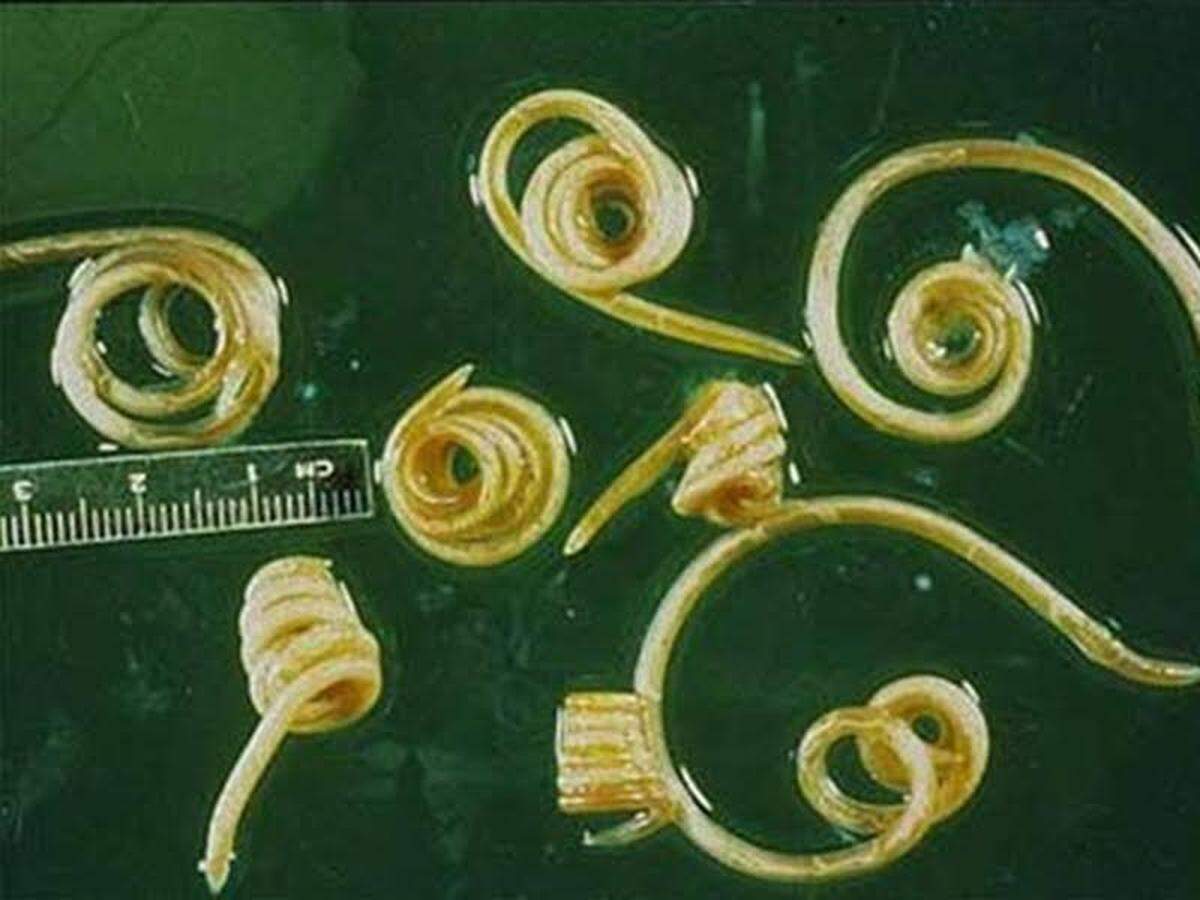
Top 10 cities with roundworm problem
The group’s new monthly report, released Thursday, identified these U.S. metro areas as experiencing the highest percentage increase in positive roundworm tests from Oct. 1-31.
CAPC listed the city of Miami as No. 6, but the figures were “represented by prevalence data in the county or counties that the city resides in,” according to a spokeswoman for the group. So “Miami” would include numbers from the other cities that make up Miami-Dade.
1. Charleston, West Virginia
2. Mobile, Alabama
3. Wichita, Kansas
4. Killeen, Texas
5. Little Rock, Arkansas
6. Miami, Florida
7. Memphis, Tennessee
8. Alexandria, Virginia
9. Winston-Salem, North Carolina
10. Visalia, California
Symptoms in pets
According to the report, fecal samples from across the U.S. show that more than 30% of dogs younger than 6 months of age are shedding roundworm eggs. Animals can become infected by eating roundworm eggs or infected hosts like rodents and birds. The roundworm eggs are shed in the animals’ feces so can be picked up in cyclical fashion as dogs and cats play outdoors.
Symptoms of roundworm infection in animals include weight loss, diarrhea, vomiting, dull coat and/or a pot-bellied appearance. Severe infections can kill your pet.
“This demonstrates how vital it is for dogs and cats to be protected against roundworm parasites with broad-spectrum, year-round preventatives, and at a minimum, bi-annual testing,” CAPC board member Craig Prior added. “By protecting your pet, you are protecting other pets, your family, other families — and your entire community.”
How to reduce the roundworm threat
▪ Clean your pet’s indoor living areas like bedding, bowls, balls and toys and your cat’s litter box daily.
▪ Pick up after your dog. According to the U.S. Environmental Protection Agency, 40% of dog owners don’t pick up after their dog.
▪ Wash your hands after handling your pet and their dishes, toys and other products.
▪ Tell your little ones it’s never a good idea to put dirt or earth in their mouths.
This story was originally published November 20, 2020 at 11:24 AM.