Tired of waiting, and waiting, for the bus? Miami-Dade route redesign ready for green light
Plans to redesign Miami’s outdated, inefficient bus network have been revived in hopes of rescuing essential workers who depend on public transit but often endure long waits en route to their destination.
Since the coronavirus pandemic struck, and capacity was reduced on Miami-Dade County’s buses to enforce social distancing, 51 percent of passengers report being left behind by a full bus, according to a new survey by Transit Alliance Miami, the mobility advocacy organization.
About 37 percent of passengers report more unreliability on their routes and 41 percent feel at risk of catching the virus during their commute, the survey showed.
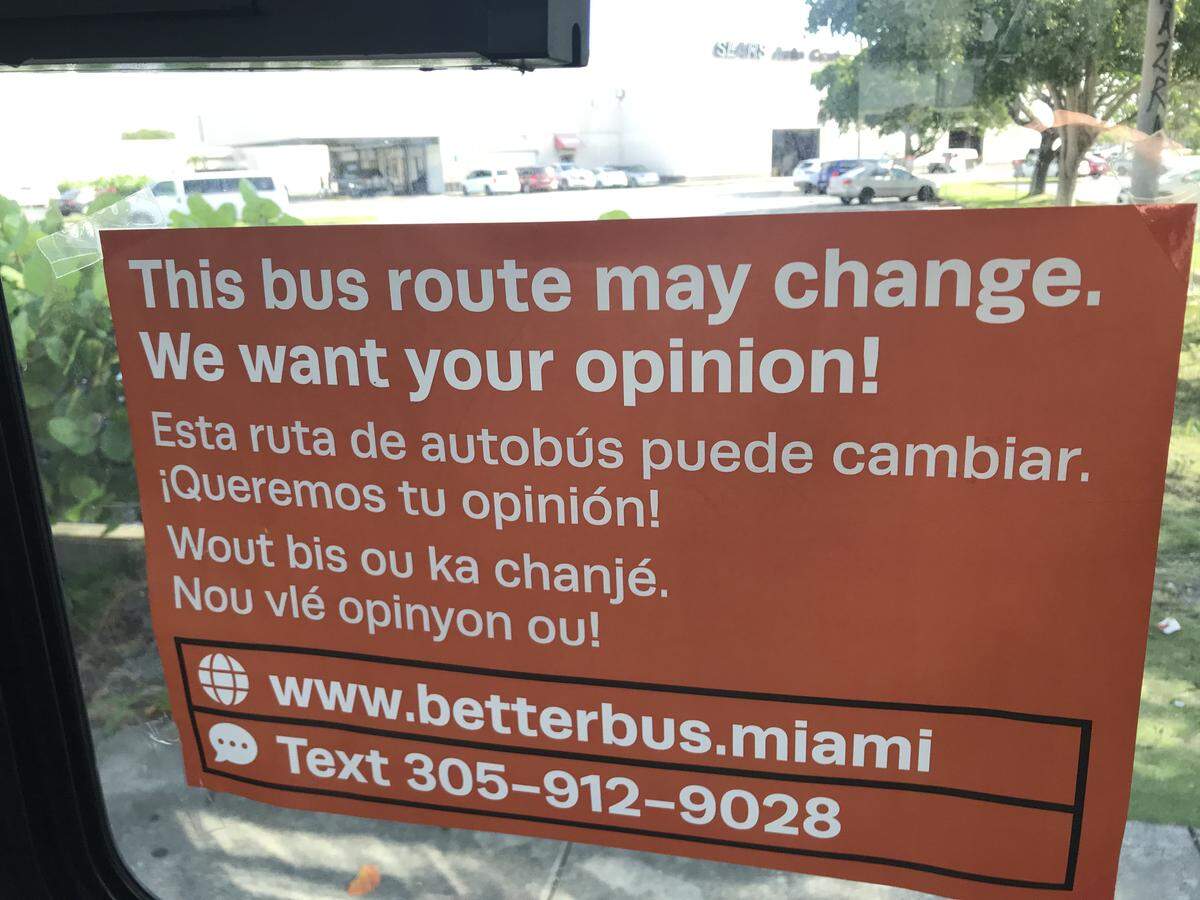
All the more reason to get streamlining of the system back on track as soon as possible, said Azhar Chougle, executive director of Transit Alliance. The Better Bus Project plan will be on the county commission agenda for approval as early as Oct. 20. The plan was unveiled in late February after nearly a year of research and community workshops but it’s been stalled because of pandemic shutdowns and postponements of commission meeting items.
“We’ve been stuck with routes that don’t make any sense on a system that hasn’t been updated since 1986,” Chougle said. “So we created a network rebuilt from the ground up by a community that wanted reform.
“Now we need to address the transit emergency we are facing while providing equitable service and helping our economy recover.”
In Miami-Dade, 36 percent of transit commuters are essential workers going to jobs in the healthcare, hospitality, education, construction and retail fields, Chougle said. They are encountering the usual maddening delays and 30-60-minute waits on a network that meanders to all nooks of the sprawling county at snail-like speeds.
Of the county’s 100 routes, only five are scheduled for maximum frequency; passengers can count on buses arriving every 15 minutes or less at all hours every day.
“On the rest, you are melting in the sun indefinitely,” said Chougle. He and his Alliance team rode every route numerous times over the course of months to collect data on the reliability of schedules that often proved meaningless. “That’s your daily life — waiting for the bus. In our county, there are only a handful of routes that you can trust and plan your schedule around.”
Since March, riders have confronted an additional problem: Buses fill to limited capacity more quickly, bypass stops and force waiting people to wait even longer for the next one.
“They depend on the system more than anyone and we leave them stranded,” Chougle said.
Transit users and those who would like to use transit want more frequency and shorter wait times, Alliance research showed. The Better Bus Project consolidates or eliminates low-use routes “to get rid of inefficiency and political fluff,” Chougle said, referring to routes that were made to assuage county leaders’ constituents who wanted a stop near their doorstep.
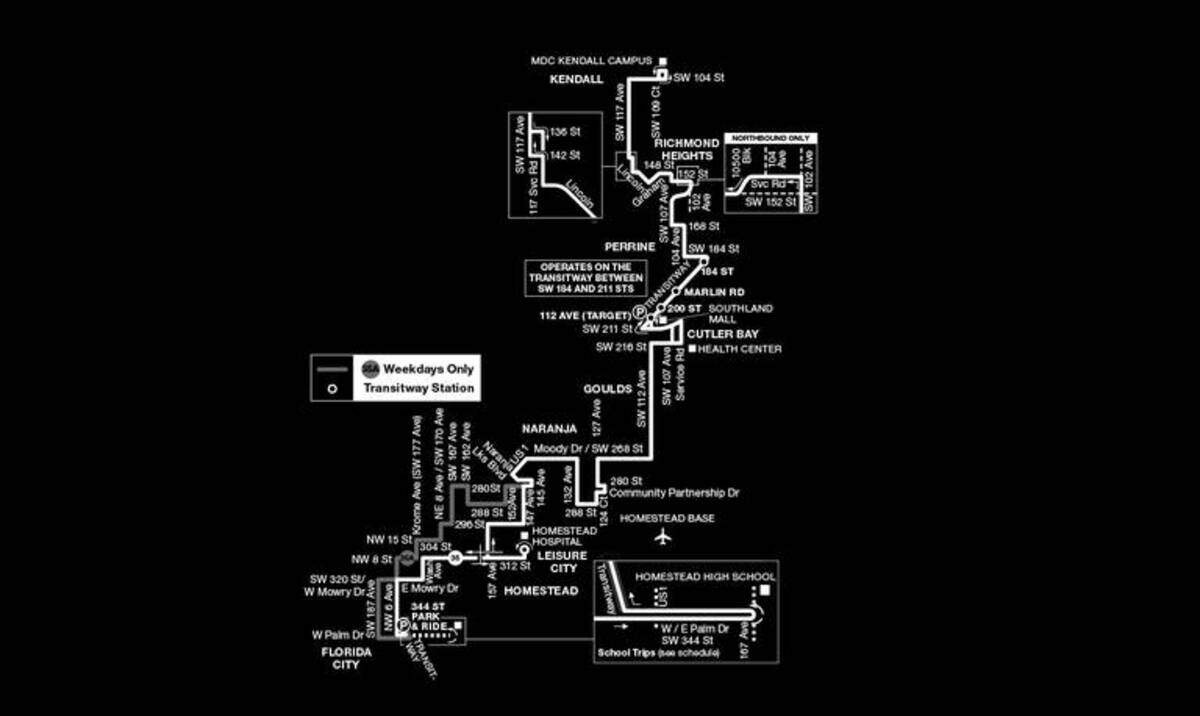
The redesign adds frequent service targeted to communities in need and high-use corridors.
“Currently only 10 percent of our county has access to frequent service. The new network will increase that access to 23 percent to 48 percent of the county, depending where you live,” he said. “We’ll have red lines north to Miami Gardens, south to Florida City, west to FIU and east to Miami Beach.”
The new network also increases access to employment, healthcare and retail hubs, such as the Jackson Memorial Hospital/Civic Center complex.
“From Liberty City, for example, we’d see a 60 percent gain in ease of access to opportunities for jobs,” Chougle said.
A user-friendly network is critical as Miami tries to climb out of the coronavirus-damaged economy. The Alliance, which has been collaborating with the county’s Department of Transportation and Public Works, hopes to get the green light to implement the plan before the end of the year.
“People want to get back to work and we can’t let them fall into the trap of car ownership — costing some $12,000 per year — especially when dealing with an economic crisis of this proportion,” Chougle said. “We have 77 percent of our respondents saying they’ll return to transit when conditions improve. What will they return to?”
Before the pandemic, two of every three public transit trips were taken on the county’s fleet of 800 buses, but ridership has been declining for years because of spiraling service cuts.
This story was originally published October 6, 2020 at 7:00 AM.