Candidates discuss economy, policing in Miami-Dade County Commission District 3 race
.JPG "Black Lives Matter protesters block the streets of Wynwood in Miami on Saturday, June 13, 2020.")
The race to fill the District 3 seat that will soon be left vacant by Miami-Dade County Commissioner Audrey Edmonson has attracted six candidates ranging from a sitting Miami commissioner to political newcomers.
The candidates entering the Aug. 18 primary are vying to represent a district that includes downtown Miami, Liberty City, Little Haiti, Wynwood, Allapattah and the villages of El Portal and Miami Shores. A former El Portal mayor, Edmonson has served on the commission since 2005 and is term-limited.
The county’s Third District has 106,516 registered voters. Minority groups dominate in this area, where 45% of voters are Black and 33% Hispanic. The zone has sections of affluence and broader swaths of working-class and and low-income neighborhoods.
The six candidates are:
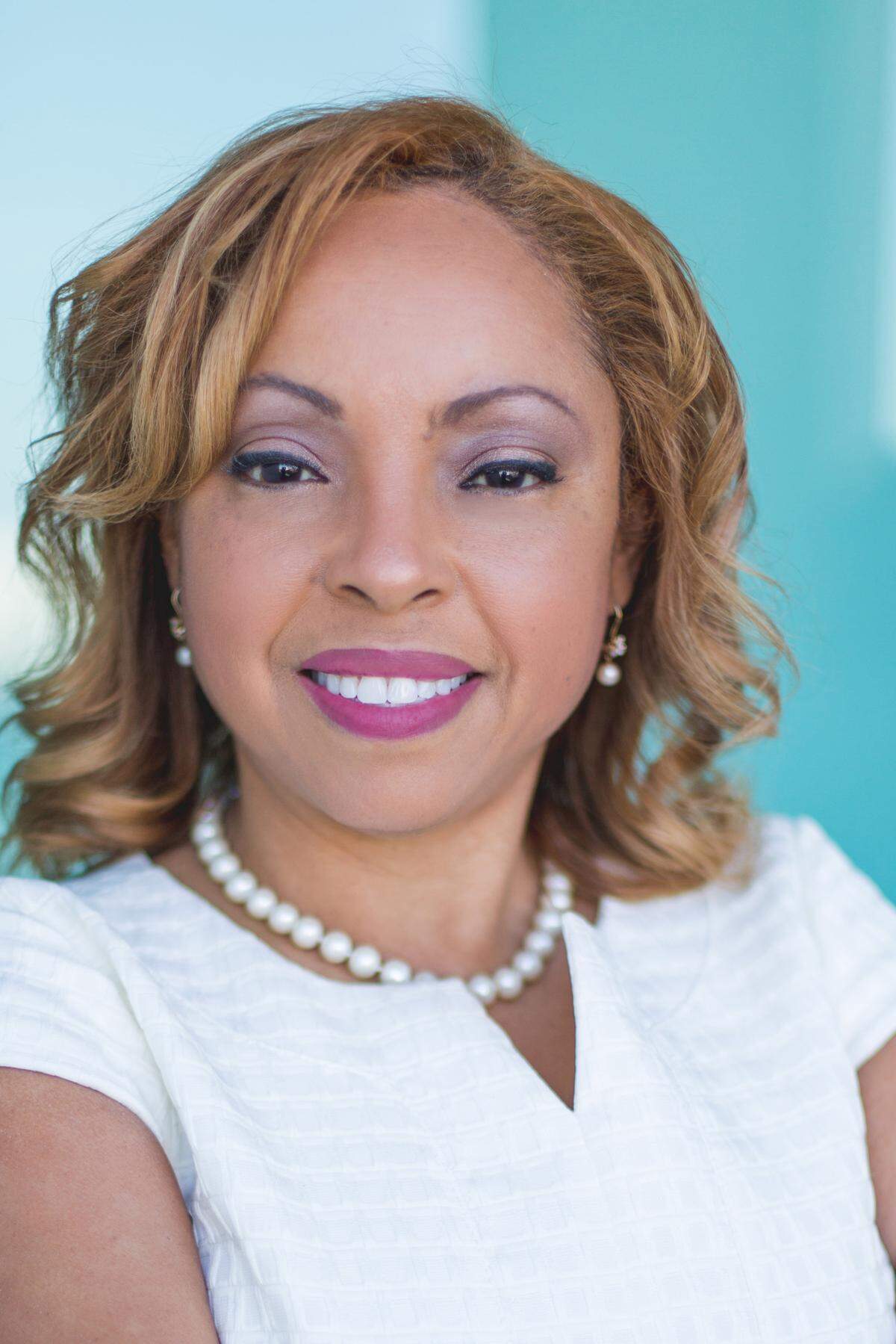
▪ Tisa McGhee, 49, Barry University professor. McGhee, a Miami-Dade resident since 2004, has a Ph.D. in social work and teaches in this discipline at Barry. She has worked with the university’s Center for Human Rights and Social Justice. She has served on the county’s economic advocacy trust board, the Together for Children board and worked with other civic groups such as the Overtown Children and Youth Coalition. McGhee is endorsed by Edmonson. This is her first run for elected office.
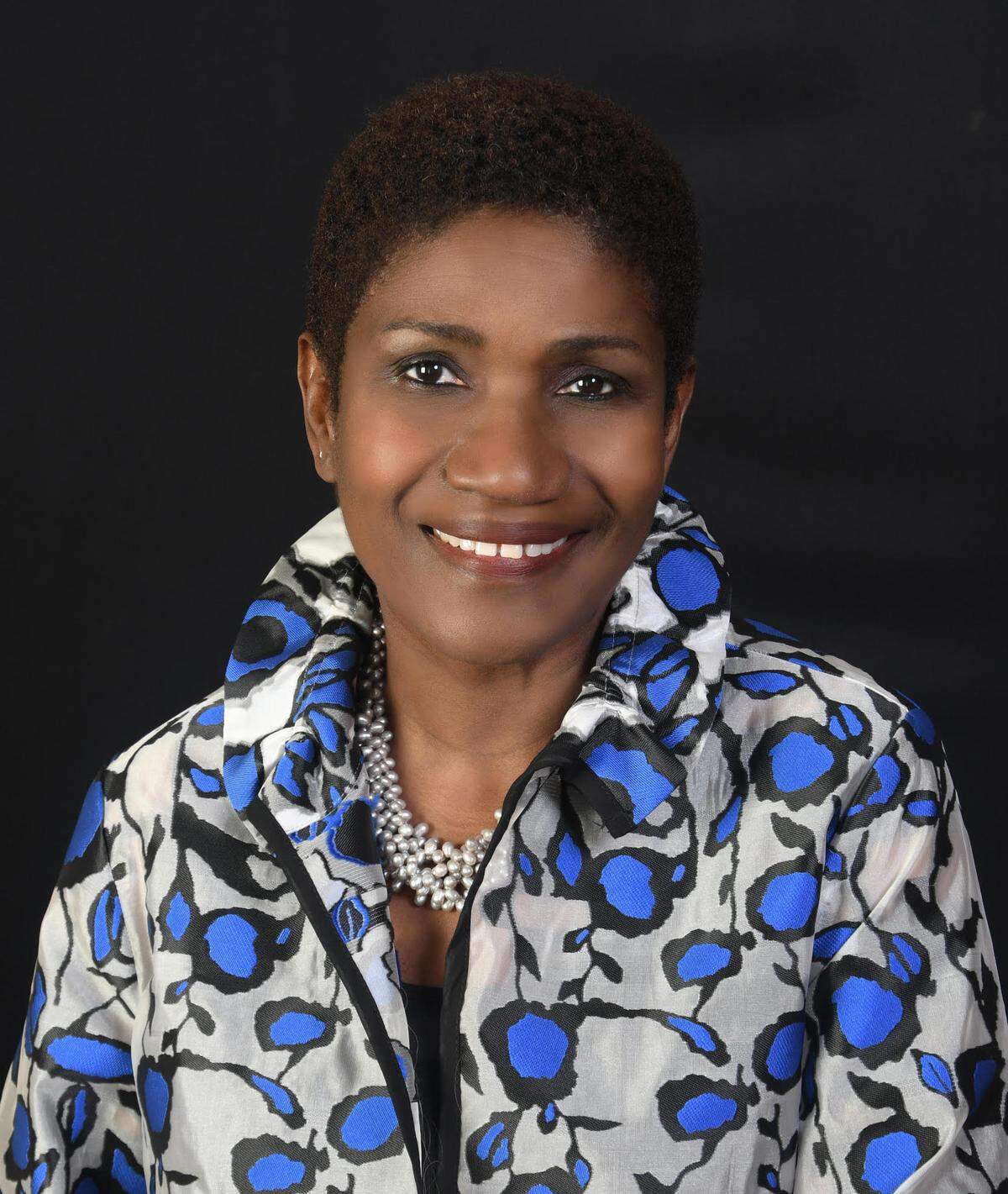
▪ Gepsie Metellus, 60, executive director of the Saint La Haitian Neighborhood Center. Born in Port-au-Prince, Metellus has lived in Miami for more than 30 years. She has some previous County Hall experience: She served as an aide to former commissioner and chairwoman Barbara Carey-Shuler from 1996 to 2001. She also worked as a Miami-Dade County Schools administrator in the 1990s and unsuccessfully ran for a school board seat in 2006. She has served as a prominent voice in matters related to the development and preservation of Little Haiti.
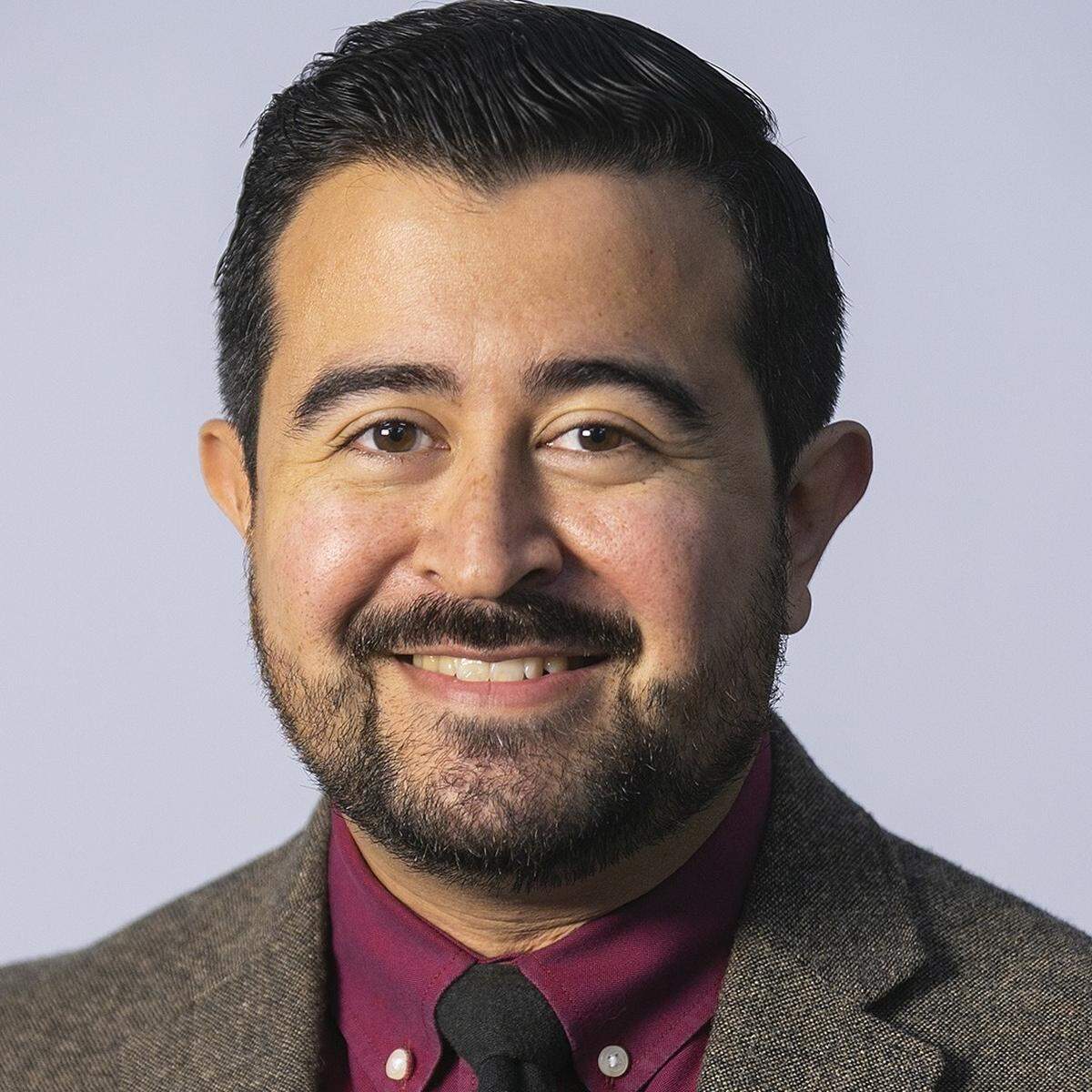
▪ Keon Hardemon, 36, an attorney, Liberty City native and Miami commissioner representing District 5. Son of a Miami police officer and a former assistant public defender, Hardemon was first elected to the city commission at 30 years old in 2013. He previously ran against Edmonson for the county’s District 3 seat in 2012. He lost in the runoff. Earlier this year, Hardemon announced his intention to resign from his commission seat in order to run for the county post. He will leave office in November. He has served multiple years as either chairman or vice chairman of the Miami commission.
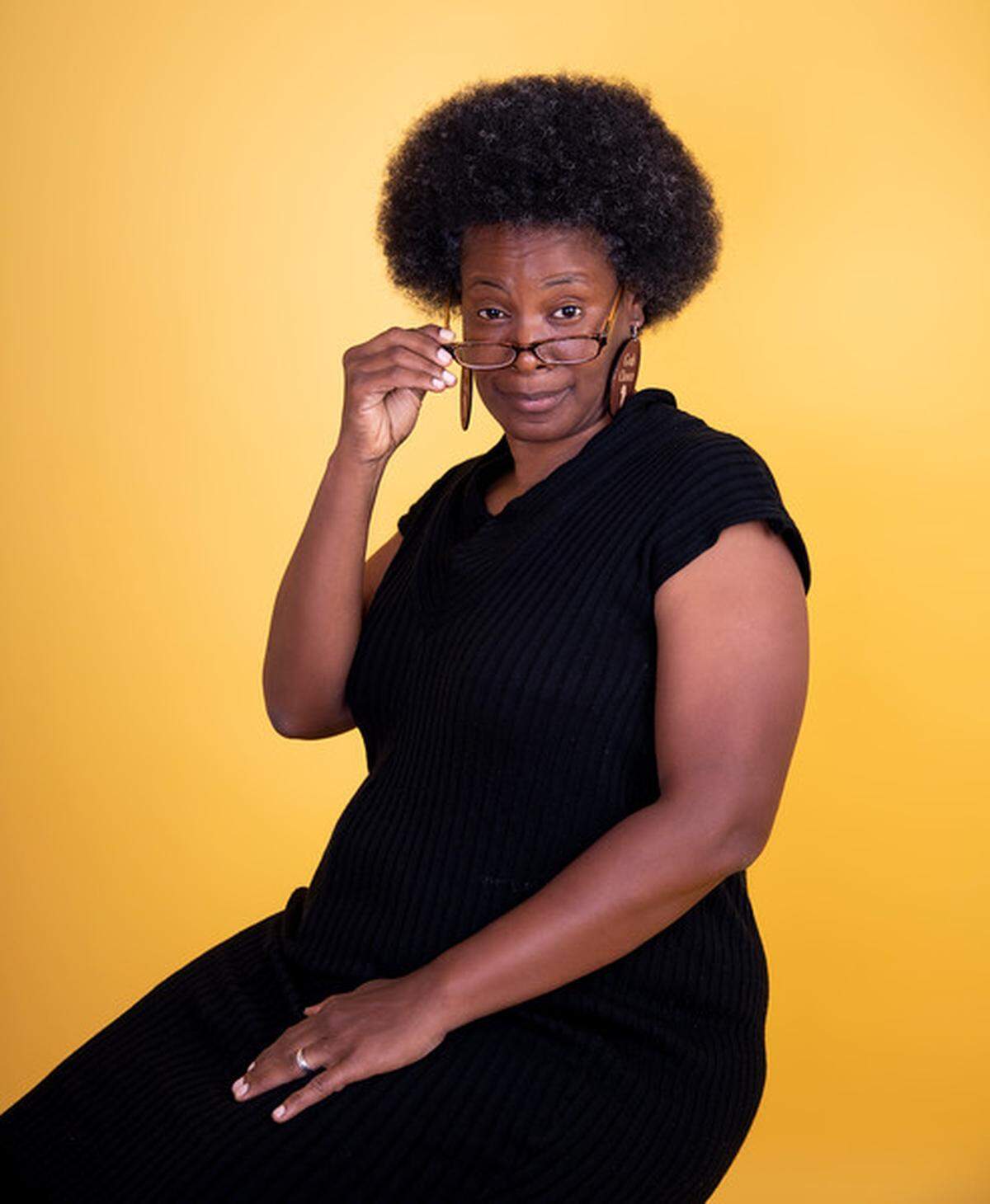
▪ Monester Lee-Kinsler, 48, community activist and HIV advocate who was born in Liberty City. She started the non-profit A Leap of Faith Foundation and is known to some in the community as “The Condom Lady” after handing out condoms at health fairs and other community events while advocating for safe sex.
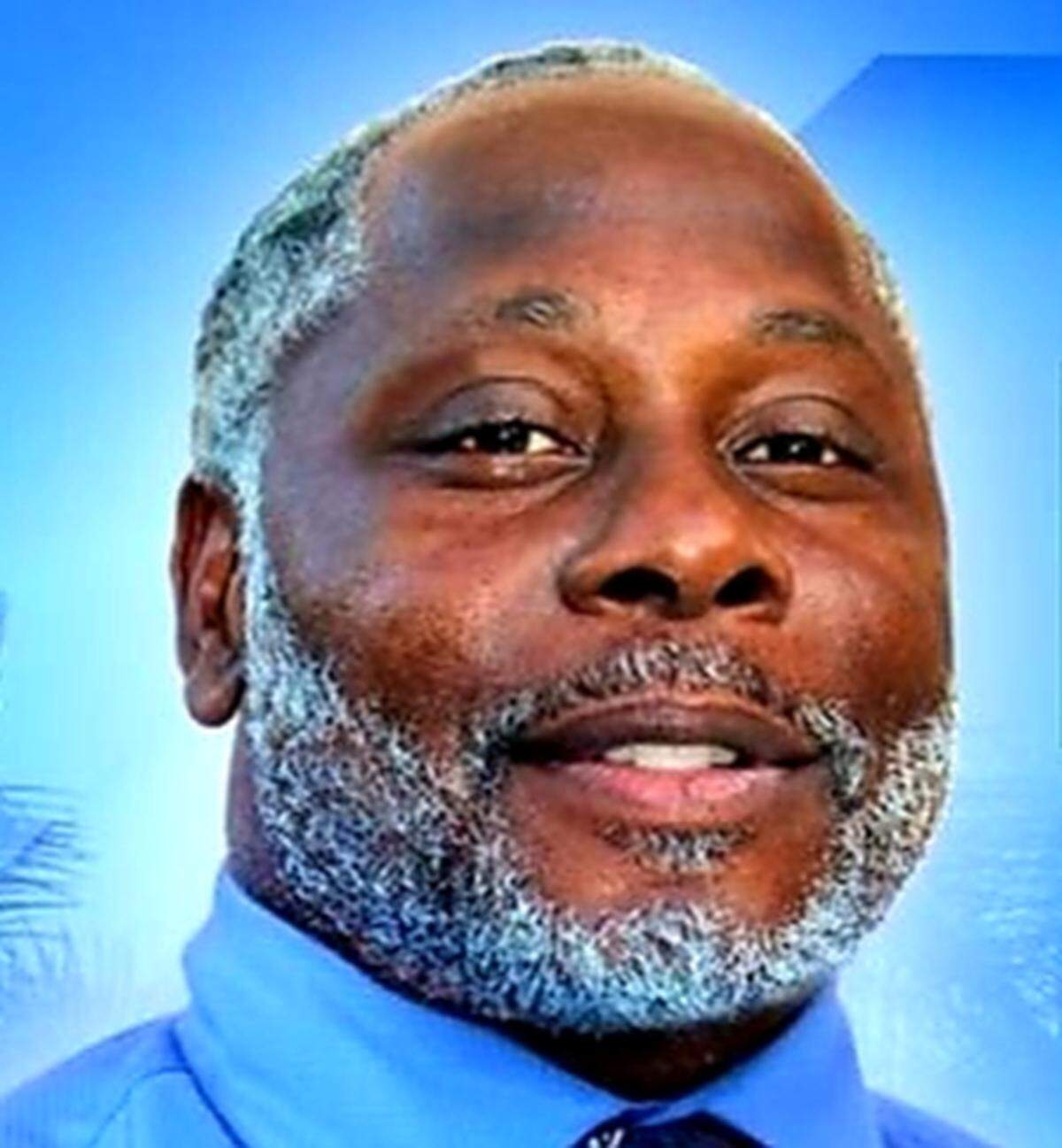
▪ Brian Dennis, 53, longtime Miami Times columnist and Liberty City native. Dennis has advocated on community issues for many years, from fighting against the controversial redevelopment of the Scott-Carver public housing projects in Liberty City to advocating for restoring felons’ rights to vote. Dennis publicly discusses his felony drug and battery convictions from the 1990s and his turn to community activism in the years since.
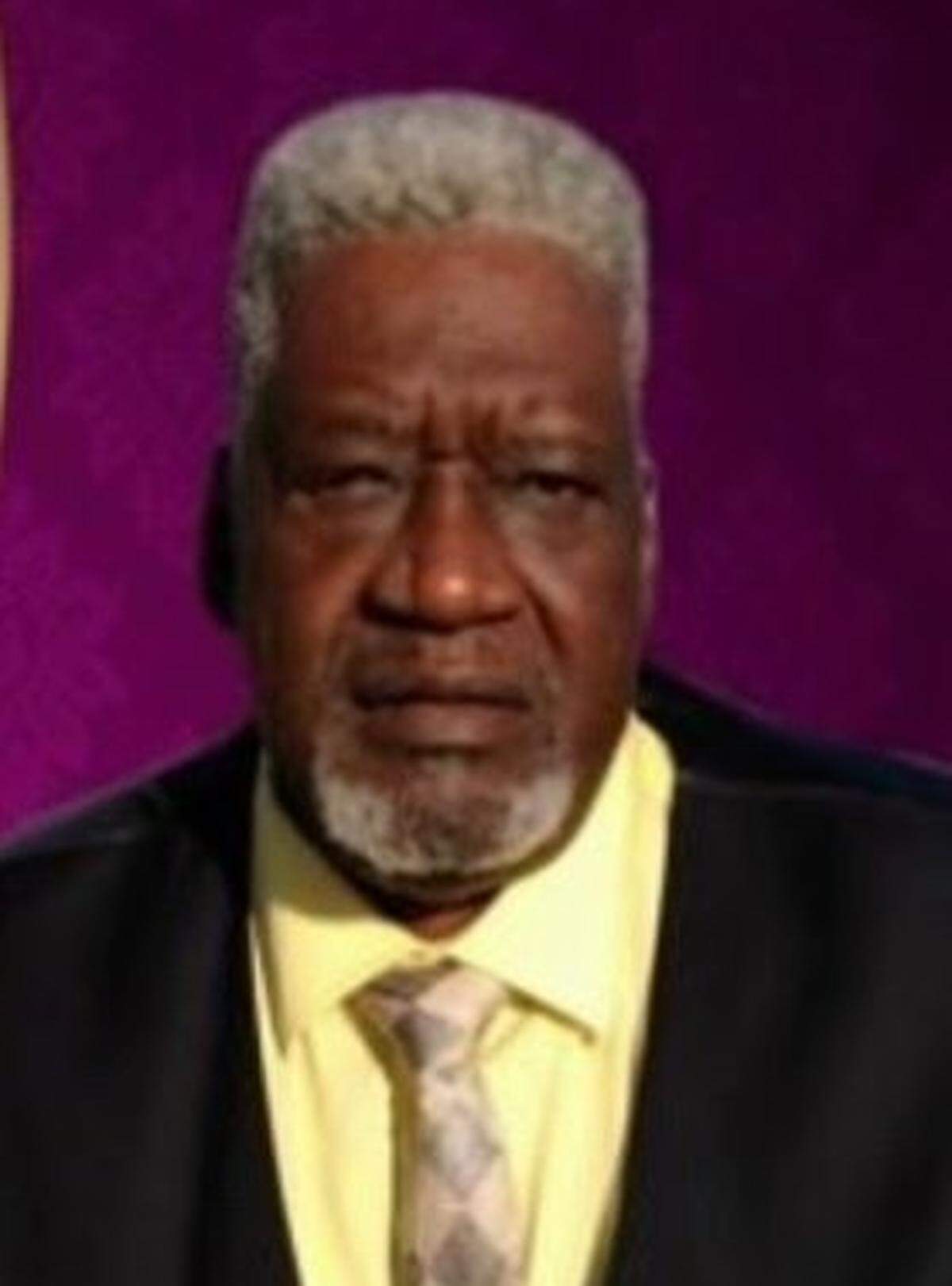
▪ Eddie Lewis, 67, retired U.S. Marine and police officer. Born in Overtown, he served 17 years in the Marines, achieving the rank of gunnery sergeant. He also worked as a police officer for 20 years.
The issues
In interviews with the Miami Herald’s editorial board and at other candidate forums sponsored by faith groups and community organizations, the district’s economy emerged as a central issue for all candidates. With the need for economic growth as a focal point, candidates discussed other key topics affecting residents, including affordable housing, the impact of the COVID-19 pandemic and residents’ relationships with police.
Mettellus told the Herald that the county must play a larger role in tackling the high cost of housing, which causes many middle- to low-income workers to spend more than 30% of their earnings on housing — exceeding a threshold that determines whether a household is cost-burdened.
She advocated for a multi-pronged, comprehensive and countywide housing plan that prioritizes districts with the highest needs, helps homeowners invest in their properties, provides renters affordable units and promotes mixed-income housing projects paired with transit upgrades that provide reliable connections between neighborhoods and workplaces.
“If we need to build 12,000 units, we need to get started yesterday,” she said.
Hardemon said the wide wealth gap and threat of sea level rise are top priorities for District 3, and he pointed to his advocacy to allocate $100 million of the Miami Forever bond for affordable housing initiatives in the city, from new housing developments to money for private property renovations meant to help existing homeowners rehabilitate their properties. Hardemon said he would vouch for creating rent-free or low-rent programs for upstart proprietors to lure business into the district and other similar incentives. He also cited his co-sponsorship of a push for city contractors to pay a living wage to workers.
“When you you have more affordable housing, when you have responsible wages, if you’re fighting poverty in that way, it gives you an opportunity to improve the wage gap,” he said.
Hardemon said public infrastructure needs improvement to face sea level rise, again referencing the voter-approved bond that calls for steering $200 million of public dollars toward anti-flooding work and other projects meant to address the impacts of climate change.
McGhee suggested more partnerships with universities, developing vocational training programs that provide non-college options for residents and direct investments in small businesses to bolster the local economy.
“I would invest in the small mom-and-pop business program to make sure that they are adequately resourced and making sure that businesses have the ability to grow their capacity,” she said.
Lewis echoed a desire to support vocational and technical training, as well as boosting entrepreneurship among youths in the district. Lee-Kinsler said Black-owned businesses, and particularly Black women in business, need more support. She said that as a Black woman with a degree, she’s never been paid more than $20,000 or $30,000 a year for a job.
“They don’t want to compensate you, and you end up struggling just to make ends meet,” she said.
Dennis said local and federal dollars ought to be invested in building an infrastructure to support new businesses owners in the area.
Racial justice
The race to represent District 3, which encompasses several of Miami’s Black neighborhoods, is framed by a nationwide racial reckoning following the killing of George Floyd while in police custody. Questions on policing resonate in District 3, where in 1979 Miami-Dade police brutally beat Arthur McDuffie into a coma. He died days later, and his killers were later acquitted by an all-white jury in Tampa. In June, protesters marched in Little Haiti to declare that Black Lives Matter and demand police reforms.
None of the candidates told the Herald they were in favor of dismantling and reconstituting the police department, a measure on the spectrum of reforms that fall under the umbrella term “defund the police.” All said the police department should invest in developing better relationships with residents.
Metellus favors “reallocating certain resources to prioritize prevention programs,” and to look at encouraging more “cutting edge community policing.”
“This inflection point in our community, in our county, in our country is also an opportunity to push forward the conversation to look at institutional systems and structures that have been set up to advantage white people. I’ll just say it as plainly as we need to say it,” she said. “Such that we can begin to, in fact, have real conversations around the implications of these advantages and who feels the disadvantage.”
Dennis more said more Black officers should get to know the neighborhoods they patrol so the police can be seen as less adversarial.
Several incidents go unreported, McGhee said, and many issues go unaddressed. She said she supports a civilian oversight panel to investigate complaints of police misconduct. Miami-Dade Mayor Carlos Gimenez recently vetoed the creation of such a review panel over the proposal to give the group subpoena power.
Hardemon, whose mother was a Miami police officer, noted a diversity of viewpoints on policing in the district, with some neighbors who feel they have a great relationship with the police and others who “have a storied past of being terrorized by police officers.” He said it’s the police department’s responsibility to build trust, and to take lessons learned from areas where they have good relations with residents and apply them across the communities.
Lee-Kinsler echoed Hardemon.
“I am good with the police but that’s because the same skills that they use to abuse, I was taught and know how to defuse it,” she said. “However, just because I am good doesn’t mean that is for everyone. My background allows that. We have to understand that what works for some may not work for others.”
Pandemic response
The candidates said the coronavirus pandemic has laid bare pre-exisiting conditions in some of District 3’s most vulnerable communities.
McGhee said district residents have one of the highest levels of diabetes and chronic disease that place people at greater risk if they are infected with COVID-19, and the county should pay special attention to not only the physical vulnerabilities of District 3 residents but the mental strain of life in the pandemic.
“Stress in this time of coronavirus has been something I’ve heard specifically out in the community,” she said, adding that mental health services should be bolstered.
“When we look at health co-morbidities, this district has probably one of the highest levels of diabetes, or chronic diseases that are inflamed by being exposed to COVID-19,” McGhee said. “I would say that we need to be paying more attention to that.
Dennis said the county government’s response to COVID-19 should have emphasized staying home and over reopening, which gave people a false sense of security.
“We’re all in need of dollars. We are all in need of money,” Dennis said. “But you can buy anything except your life. Your life is more important than partying, hanging out or doing anything else.”
Herald writer Maya Lora contributed to this report.
This story was originally published July 27, 2020 at 3:56 PM.