
To reduce voting crowds, Miami-Dade sending out more than 500K mail-in ballot requests
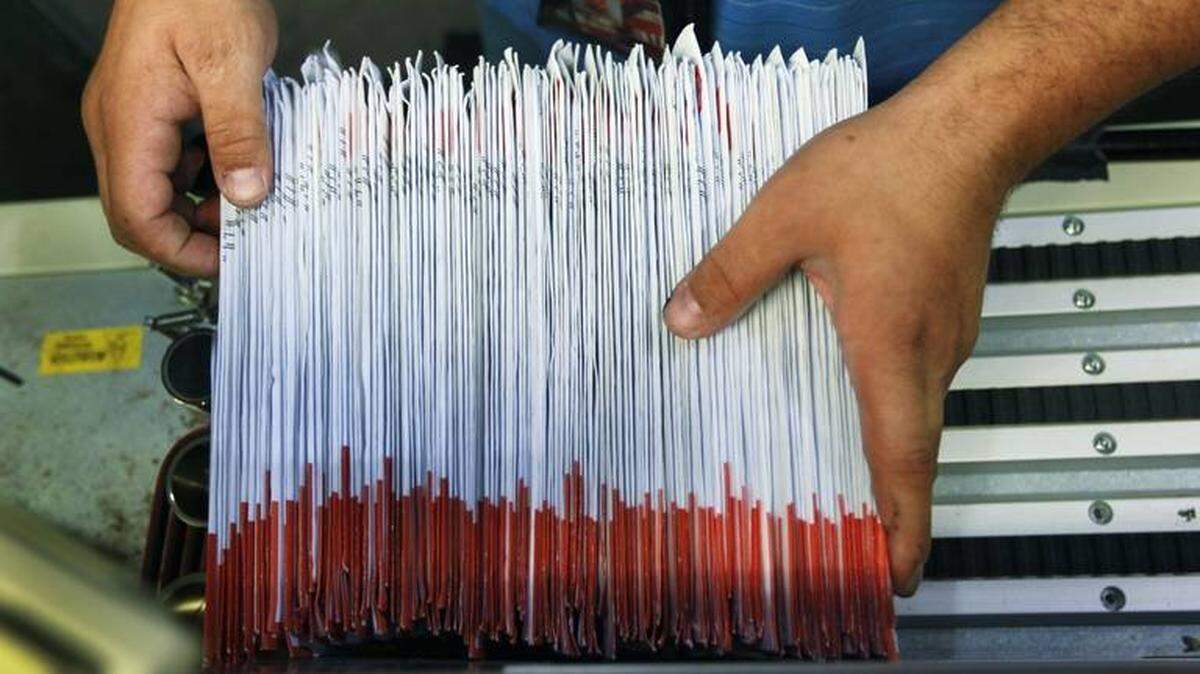
Preparing for its first major competitive elections during the coronavirus pandemic, Miami-Dade plans to send out more than 500,000 applications for mail-in ballots in order to promote the option as an alternative to voting in person.
The plan approved unanimously Tuesday by county commissioners stopped short of the blanket mailing of applications some advocates wanted. Instead of sending applications to more than 1 million voters who haven’t yet requested mail-in ballots, the Elections Department will send one to each household with a voter without an existing request.
Since many households have multiple voters, Miami-Dade expects to send about 520,000 forms attached to cards urging residents to apply for mail-in ballots online as the easiest option, along with calling the Elections Department directly.
“We really should be promoting and advocating vote by mail in this election cycle. We always do, but this one in particular,” said Christina White, the county’s elections director. “The mission of the department has changed a bit. It’s now not just making sure everybody votes, but making sure they do so in a way that makes them feel safe.”
White said coronavirus fears, combined with the mailer and long-term trends toward vote by mail, could double the use of what’s often referred to as “absentee” balloting for Miami-Dade in 2020. Roughly 270,000 Miami-Dade voters are scheduled to get mail-in ballots this year, based on existing requests.
Voters in Florida are allowed to request mail-in ballots for any reason, and can opt not to use them if they decide to vote in person instead.
Miami-Dade managed a presidential primary at the start of the coronavirus emergency, though that contest generated only minor interest since Joe Biden was already well ahead of Bernie Sanders in Florida and all but assured of his party’s nomination.
The Aug. 18 primary promises a far more hectic election cycle, with an open contest to replace outgoing Mayor Carlos Gimenez, multiple contested commission races, congressional primaries, and school board elections.
Election offices across South Florida are planning similar pushes to encourage mail-in balloting in August and November as the coronavirus brings a wave of complications to the voting process.
Presidential years typically bring long lines in some polling places, but this will be the first time rules may require everyone to put six feet between each other while they wait. Election offices rely on retired workers to staff polling places, a hiring process upended with the heightened risk to older people from COVID-19.
The mailer will encourage voters to request mail-in ballots for the August primary and November general election in an effort to reduce in-person voting for both. White said the message will reference health and safety in pitching mail-in balloting as the best option.
The original proposal before commissioners only instructed Elections to mail instructions on requesting mail-in ballots. Commissioner Daniella Levine Cava, a mayoral candidate, pressed White to endorse sending actual request forms to the 1.2 million voters who haven’t already signed up for mail-in balloting.
“I don’t understand why we can’t send out the form if we’re sending out the letter,” Levine Cava said.
White initially resisted sending the forms, saying the logistics were too daunting ahead of the August election, with the mail-in ballots set to be sent to voters only about two months from now. “Time is not on our side,” she said.
As a compromise, White suggested targeting the smaller household number. “It’s a lot less mail to go out,” she said, “so I can do it faster.”
This story was originally published May 5, 2020 at 7:31 PM.