Calls to test and house Miami’s homeless grow louder during coronavirus pandemic
Pedro Machado’s cheeks rose from behind a blue surgical mask as he described how grateful he was to have a chance to wash up and change.
“We’re street people, so we tend to get a little dirtier each day,” he said Friday afternoon, sitting in the middle of a service center run by volunteers outside an Overtown church. The site has portable toilets, showers, clothing, meals and COVID-19 tests for those who want them.
“I feel so much better that I can put on some nice clean clothes, some clean underwear,” Machado said.
The parking lot of the St. John Institutional Missionary Baptist Church has become the new stop for many people who are experiencing homelessness, particularly those who fear they may be infected with the novel coronavirus. The coalition of community groups and faith leaders that opened the site have called on government agencies to act faster to test and shelter people living on Miami’s streets.
Recently approved federal grants will help Miami’s city government get some people off the street and into hotel rooms. The city has received $1.6 million in grants from the U.S. Department of Housing and Urban Development to assist the homeless during the COVID-19 pandemic, including $347,000 to provide temporary housing in hotels and motels. The federal dollars were part of Congress’ $2 trillion Coronavirus Aid, Relief, and Economic Security Act.
Commissioners voted unanimously Thursday to allocate the money toward hotel vouchers, the city’s homeless outreach team and social programs to steer unsheltered people into housing.
While Miami’s five commissioners all supported the initiative, a discussion before Thursday’s commission vote forecast a broader debate over the city’s relationship with the tax-funded Homeless Trust, a Miami-Dade County agency tasked with assisting people living on the streets. Commissioners, some dissatisfied or skeptical of the Trust’s work, agreed to hold a special meeting on the topic at 10 a.m. May 7.
Administrators said the city’s outreach team has tested about 100 people experiencing homelessness since the COVID-19 pandemic began. Sergio Torres, who manages the city’s homeless outreach program, said the most recent census in January counted 656 homeless people living inside city limits.
Commissioner Alex Diaz de la Portilla said it was a “no-brainer” that the city should be mass testing its homeless population. When City Manager Art Noriega raised the issue of people having the right to not be tested if they don’t want to, Diaz de la Portilla urged the city to educate people on the street and try to get as many tested as possible.
“Of course we can’t force testing,” he said. “Have we tried to test them?”
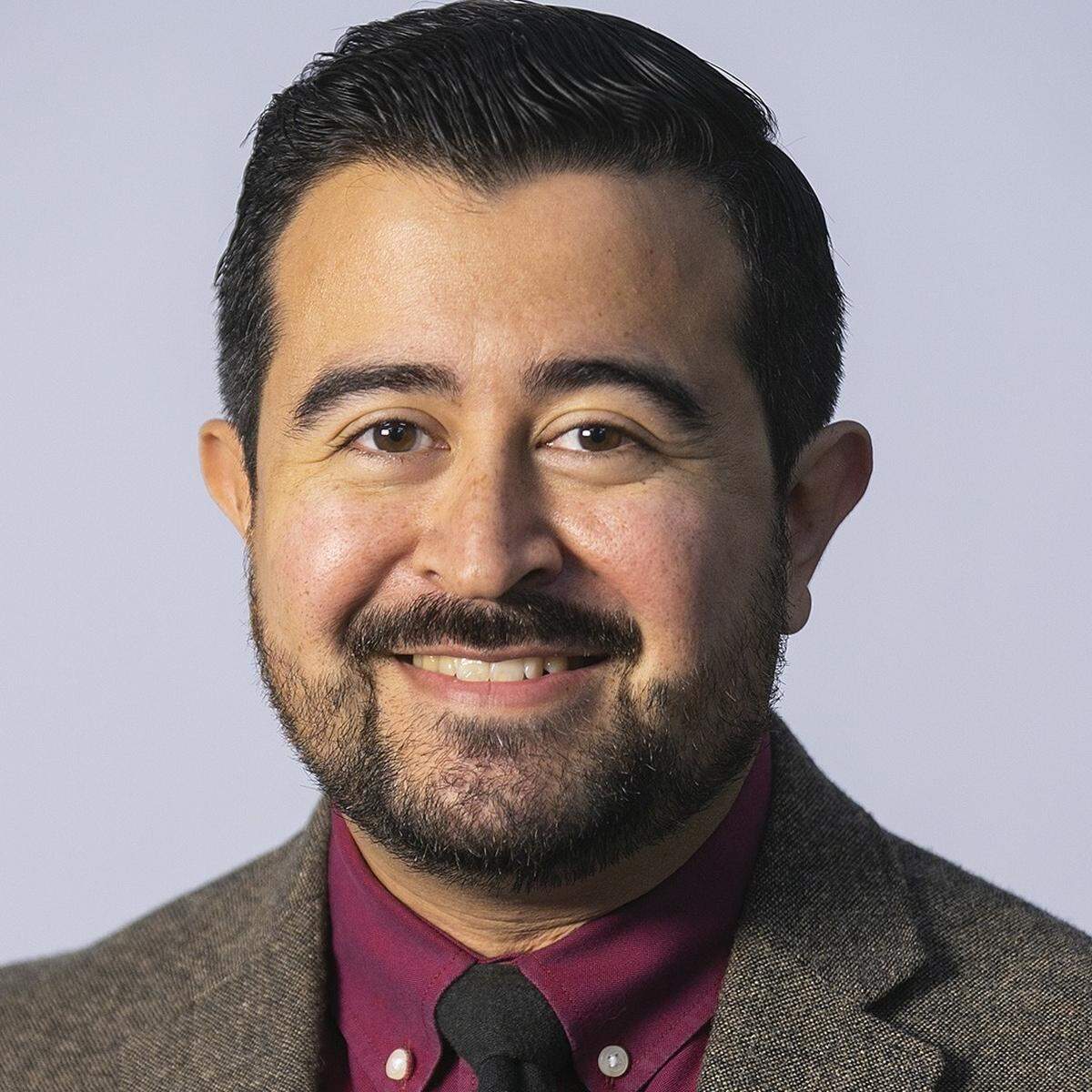
The frustration echoes the calls from Armen Henderson, a University of Miami doctor who has conducted COVID-19 testing on Miami’s streets for several weeks, for public agencies to do more for the unhoused. A growing number of volunteers, from the Dream Defenders to religious leaders to medical students and other physicians, have led a grassroots effort to feed and test the homeless.
Henderson has accused the Homeless Trust, led by chairman and lobbyist Ron Book, of acting too slowly to protect the homeless during the pandemic. Book has strongly refuted Henderson’s claims, saying the Trust has distributed masks, pamphlets and sanitizers for more than a month, and Trust workers have been placing people in hotels for weeks.
The coalition, led by the Dream Defenders, recently opened the service station for the unhoused at the Overtown church. There, people can take showers, use the restroom, get tested and receive supplies. The group estimates that in one week, it has provided 600 tents, 500 showers and 2,000 masks to Miami’s homeless.
People who arrive with symptoms are not tested onsite; they are taken to the hospital. On Friday, Henderson said he is testing people at the Overtown site only if they are not showing symptoms.
The volunteers have tested about 70 people. Two were positive. Twenty have been sent to Jackson Memorial Hospital after exhibiting symptoms, and 10 of them were positive. Henderson has been using rapid result tests donated by a local physician. If someone tests positive on the quick test, the person is swabbed and the sample is sent to a laboratory for confirmation.
Bishop James Adams, the senior pastor at the Overtown church, said when Henderson asked for help, he welcomed the opportunity to serve the community during the crisis. Now, more than a dozen portable toilets are lined up on the edge of the lot. Four showers have been set up. People can get masks, gloves, clothing, meals and education about COVID-19, along with testing.
“We don’t simply wait for government to do everything,” Adams said.
Rev. Gaston Smith, senior pastor at the Friendship Baptist Church in Liberty City, echoed Adams while saying his faith leads him to support the group’s efforts.
“We’re here to make sure that more people are being tested, particularly the least, the lost and the left out,” Smith said. “We want to make sure that our homeless community does not get left out of this process. We want to make sure that our poverty-stricken communities do not get left out of this process.
“We want to make sure that those poor African-American communities in areas around Overtown and Liberty City, people that are under the bridge, people that are not accounted for, are not left out of this process.”
Henderson pointed out that African Americans with COVID-19 are dying at a higher rate than white people in Florida. Data from the Florida Department of Health revealed this in recent weeks, and similar findings have been made in other major American cities.
“The numbers are showing that those who are poor, those who are working class, those who are black are the ones who are actually having really bad morbidity and mortality, not just here in Miami-Dade County, but all across the United States,” he said.
This story was originally published May 1, 2020 at 7:28 PM.