Miami-Dade plans to build a highway over wetlands. These kids say that’s a bad idea
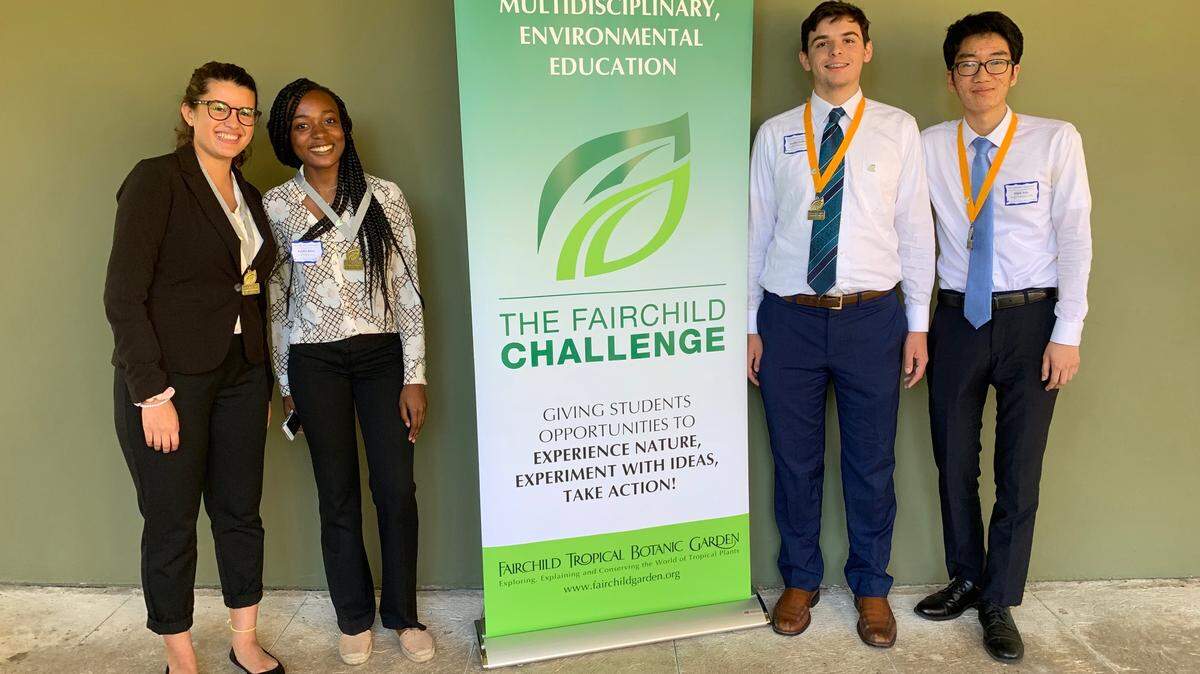
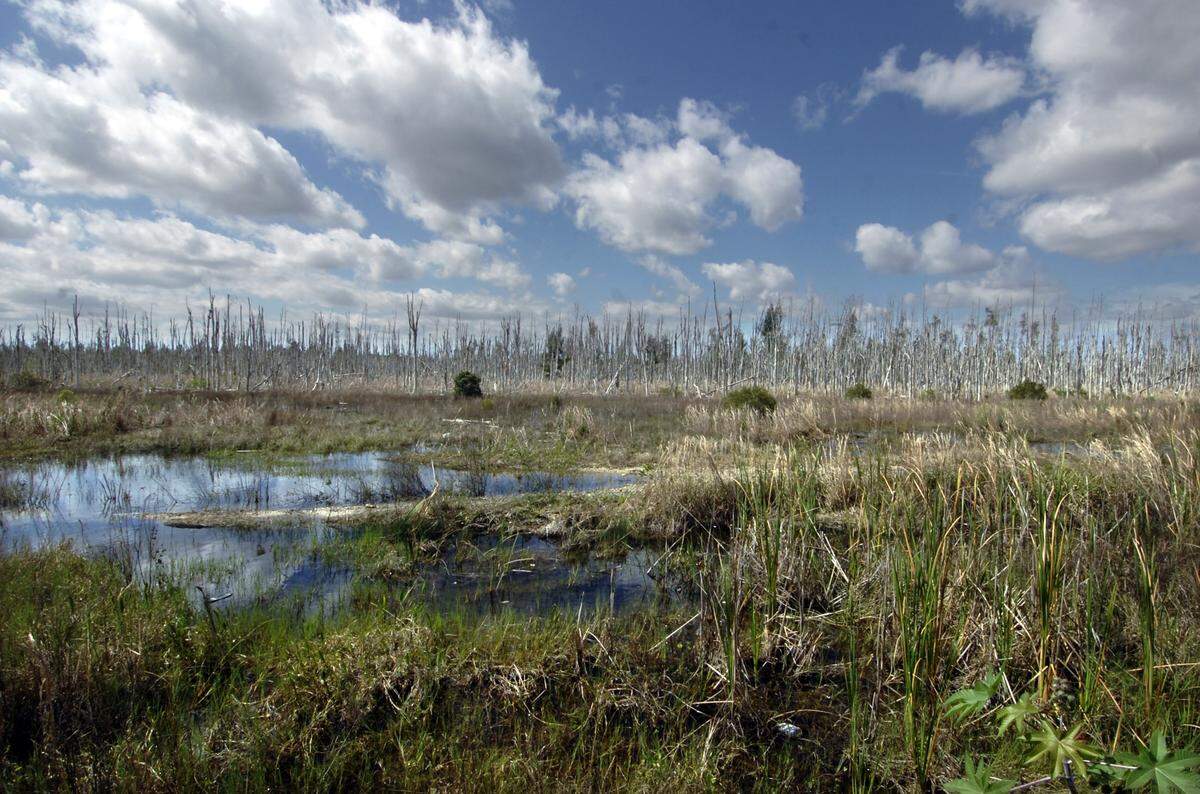
At this week’s annual Fairchild Challenge debate tournament, an annual rite of passage for aspiring debaters in Miami-Dade County, high schoolers were asked to argue one of the more heated issues to surface over the last year: whether to build a highway across wetlands that once made up the headwaters of an Everglades river.
The teens dug up newspaper stories, studied the Miami-Dade Expressway Authority website and crafted arguments both for and against the 13-mile extension of one of South Florida’s busiest roads.
But when all was said and done, both sides agreed on one thing: The highway is a bad idea.
“The congestion is bad but the expressway isn’t necessarily going to fix it and the Everglades is this pure natural resource,” said Austin Cerber, a senior at Palmetto Senior High who lives in a West Kendall neighborhood the extension is aimed at helping. “Seeing the evidence that the highway wasn’t gong to fix it made it seem like a waste.”
Organizers of the debate looked for a local issue that would resonate with their young debaters and give them a chance to explore both sides. The debate is part of Fairchild Tropical Botanic Garden’s annual educational outreach program and has come to be a bit of a badge of status, showing up on college resumes and Silver Knight applications. This year marked the 17th tournament and drew 146 students from 26 public, private and charter schools. Fairchild provides free transportation to ensure a level playing field.
Unlike other debates that focus on broader topics, like the death penalty or freedom of speech, Fairchild organizers like backyard issues, especially ones that might affect kids for years to come.
“We knew people had a lot of opinions, but we wanted the kids to have an opportunity to really look at both sides of this issue and that’s something we don’t often allow them to do, and to give them a voice to be able to discuss it freely and openly,” said Amy Padolf, Fairchild’s director of education, who has helped organize the debate for the last 10 years.
So organizers come up with topics and then hand them off to tournament director Randall Martinez, a debate teacher at Christopher Columbus High School, to select.
“Randall will look at them and let us know if we’re being too one-sided or leaning too far in one direction, which we often do,” Padolf said.
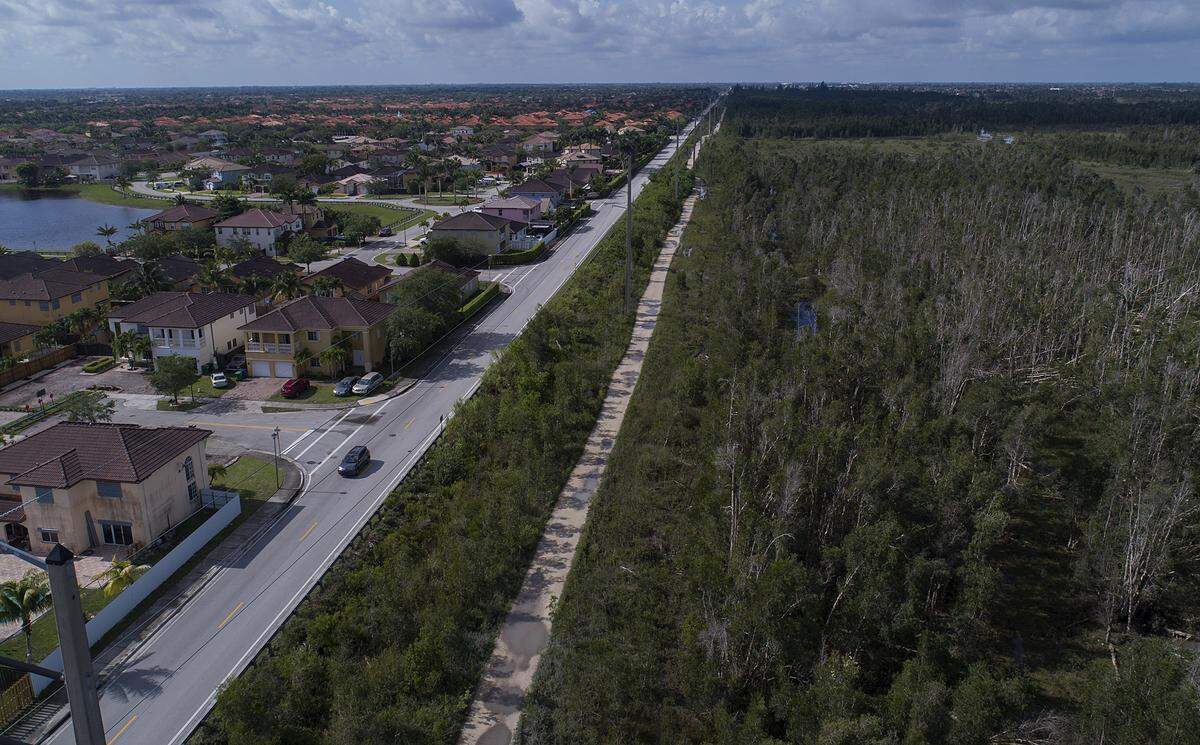
The plan to extend the Dolphin Expressway over wetlands in the Bird Drive Basin outside the urban development boundary has drawn sharp criticism from environmentalists along with state water managers and environmental regulators, who say it might interfere with an Everglades restoration project. State lawmakers from Miami-Dade have also proposed abolishing the expressway authority, known as MDX, which County Mayor Carlos Gimenez said could derail the project.
Only three of the debaters from Palmetto Senior High and Coral Reef High School, who took first and second place respectively, had heard about the issue. None knew whether they would be asked to argue for or against the highway.
In opposing it, Mark Yeo, Cerber’s teammate on the Palmetto team, invoked “induced demand” — the traffic planning theory that suggests more highways lead to more cars.
“Drivers will naturally fill up these roads,” he said.
Threats to the county’s water supply also dominated the back and forth in the final round.
But in a county of immigrants, those highways could also represent freedom, argued Coral Reef debater Nicole Marino.
“We have to mold and adapt to our environment,” she said. “This a social welfare issue.”
Money from tolls would also go to restore some of the wetlands not paved over, said her teammate, Kristin Benn.
Afterwards, both pro and con said despite their debate positions, research convinced them that better public transportation, not another highway, was the real solution.
“It’s just going to be as congested as it was before,” Benn said. “And the Everglades, we just need to keep fighting to preserve whatever’s left.”