Crocodile found speared in the head in the Keys dies at Zoo Miami
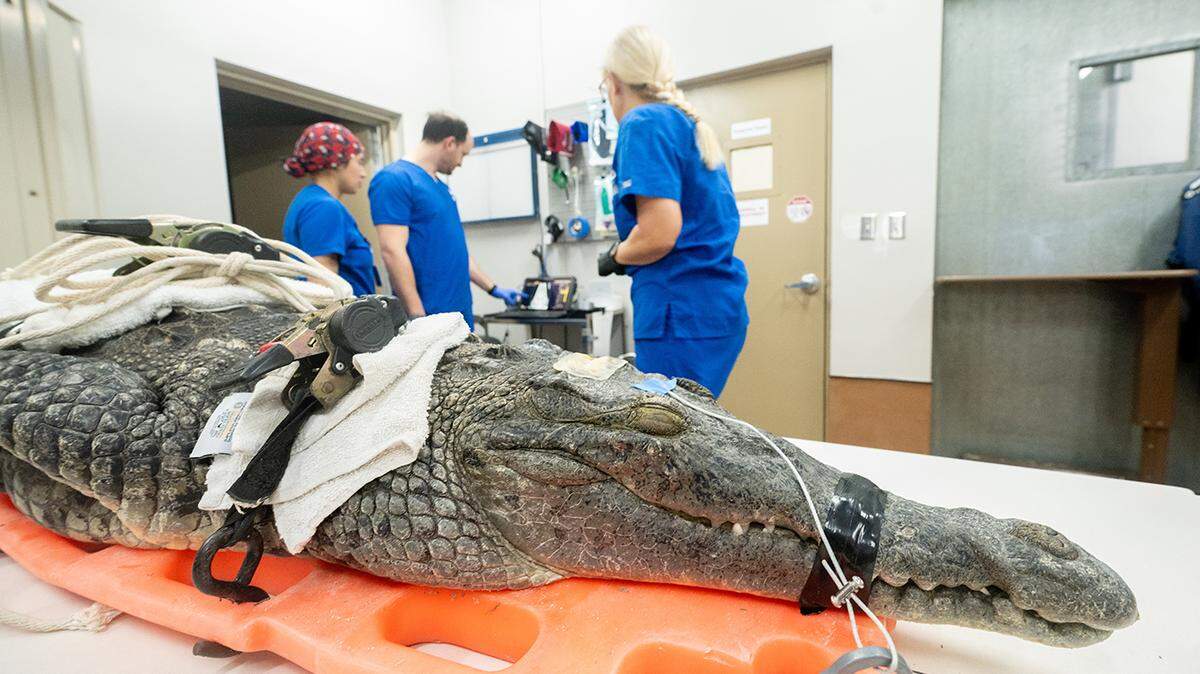
An American crocodile found shot in the head with a metal fishing spear in the Florida Keys in October died Friday at Zoo Miami, where it was being treated.
Florida Fish and Wildlife Conservation Commission officers and biologists brought the eight-foot, 130-poind female croc to Zoo Miami after capturing it in Key Largo on Oct. 20. Veterinarians removed the spear and found a bullet lodged in one of the reptile’s eyes during surgery.
Veterinarians determined it was safer for the croc, named Britney by zoo staff, to not remove the bullet, which left her blind in one eye, said zoo spokesman Ron Magill.
More surgery was performed Thursday to remove small metal objects from her stomach. The objects caused lead poisoning. She was also anemic and weakened from the spear and gunshot, Magill said.
On Friday morning, veterinarians found the croc to be very lethargic and not recovering well from the effects of anesthesia, said Magill.
“Recovery from general anesthesia can be especially challenging for cold-blooded animals like crocodilians, whose metabolism can fluctuate significantly, leading to complications,” Magill said in a statement. “Unfortunately, the combination of her pre-existing injuries and anemia proved insurmountable, and tragically, she passed away this afternoon.”.
Zoo lead surgeon Dr. Nick Buscaglia and Dr Gwen Myers, chief of Animal Health, operated on Britney for two hours this week, removing all of the small metal objects, Magill said. What they found were lead fishing weights and what were most likely pellets from an air gun, Magill said.
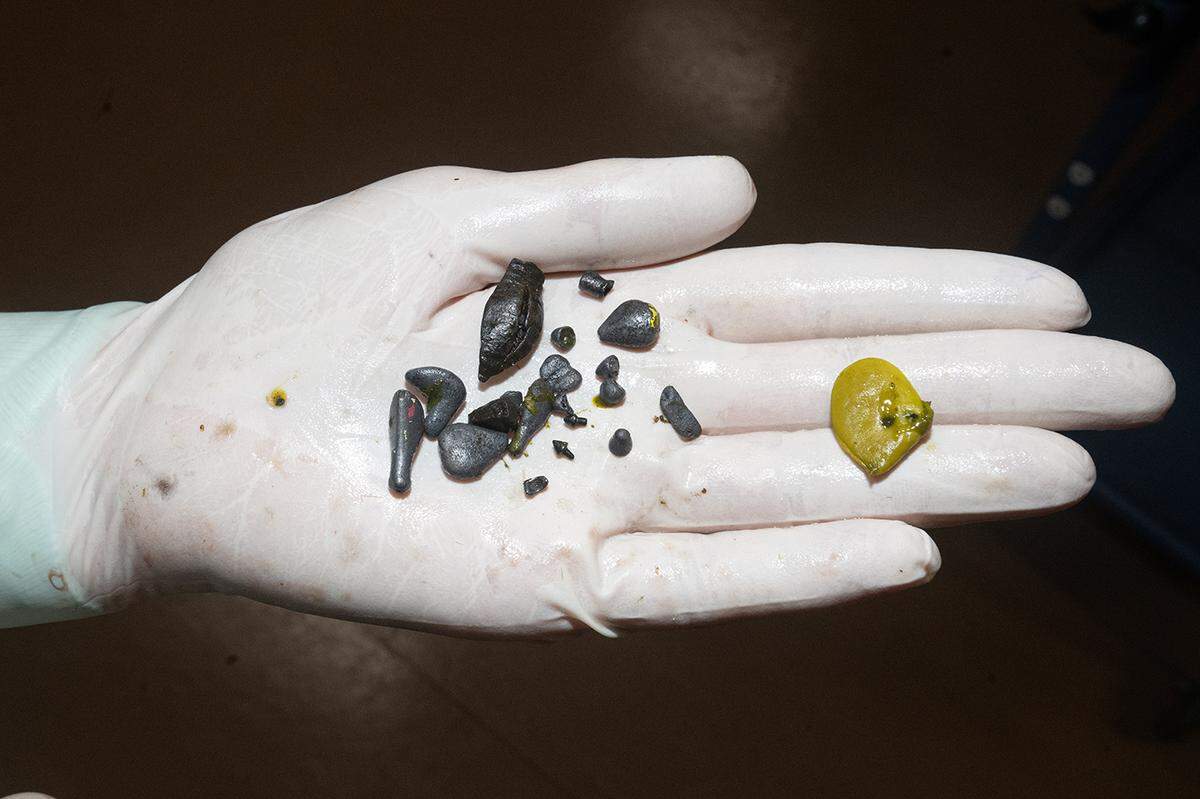
“These items probably entered Britney’s body when she consumed fish caught on a fishing line or preyed on animals like iguanas that had been shot and ended up in the water,” said Magill.
American crocodiles are native to South Florida and are federally protected. It is illegal to kill or harass them, per state and federal law.
“The loss of this federally threatened animal serves as a heartbreaking reminder of the devastating consequences of illegal and cruel actions against wildlife, actions often driven by unfounded fear and ignorance,” Magill said. “It also highlights the unintended harm that can result from the introduction of toxic substances into the environment, such as pellet gun ammunition, which can enter the food chain and negatively affect wildlife.”
Killing a crocodile is a third-degree felony punishable by up to five years in prison. Crocodiles almost went extinct in the late 20th Century due to hunting. Thanks to conservation efforts, their population in Florida went from the hundreds in the 1970s to well over 2,000 reptiles, the FWC estimates.
.jpg "Injured-American-Crocodile (1).jpg")
Unlike their alligator cousins, which are known to occasionally attack people, American crocodiles are shyer and less aggressive. Attacks on people are very rare, although pets, especially those in homes along canals, have become their prey.
“While we mourn the loss of Britney, we also hope that her story serves as a poignant reminder that we share this planet with countless species that face increasing challenges to survive in a rapidly changing world,” Magill said. “It is vital that we learn to coexist peacefully with wildlife, fostering understanding and respect, to prevent such tragedies from happening again.”
Investigators ask anyone with photos, videos or information about the incident to call the Wildlife Alert Hotline at 888-404-3922. Tips can be anonymous. People who provide information that leads to an arrest or citation might qualify for a reward up to $1,000, the FWC said.