Shark that bit boy in Keys was a blacktip that rushed family while snorkeling
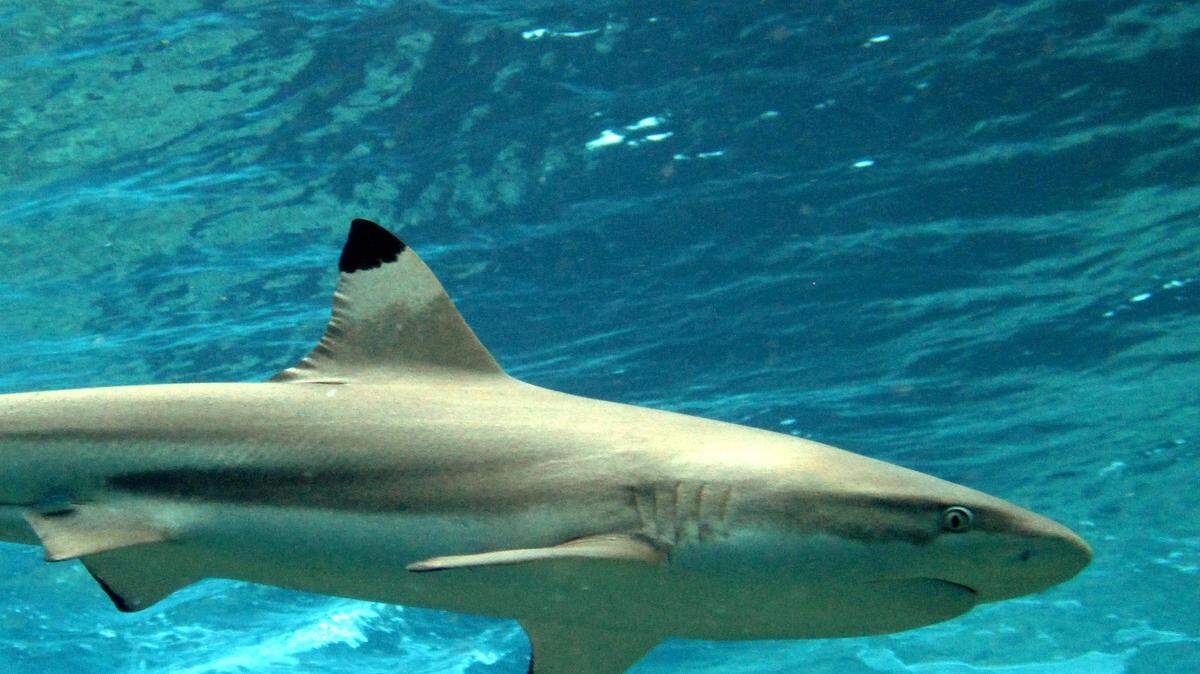
The Pinecrest family of the 8-year-old boy who was bitten by a shark in the Florida Keys Monday and had to have surgery to save his leg said the fish was a blacktip reef shark that rushed them while snorkeling.
The boy, Richard Burrows, was snorkeling with his father, David Burrows, 48, and his 10-year-old sister, Rose Burrows, around 3 p.m. at Horseshoe Reef, about four miles off Key Largo near John Pennekamp Coral Reef State Park when the incident happened.
The family, through a public relations agency, issued a statement Wednesday that the boy continues to recover from surgery at Jackson Memorial Hospital, where Monroe County Fire Rescue paramedics flew him after he was rushed to shore on Labor Day.
“Richard is recovering well from his surgery and is gaining strength by the day. He is in good spirits. Our hope is that he will be back enjoying his passion for the ocean and marine life with his older sister in no time,” the family said.
_fitted.jpeg "Richard Burrows (1)_fitted.jpeg")
The shark bit Richard on the knee, inflicting a “significant” injury, the statement says.
After being bitten, David Burrows applied a tourniquet to his son’s leg to stop the bleeding, and a commercial dive captain who stopped his boat to render aid, Richard Hayden, 33, applied a second tourniquet, according to a Monroe County Sheriff’s Office incident report.
Spearfishing concerns raised
Monroe Sheriff’s Deputy Julian Garcia said in his report that Hayden told him “it looked as if the family was spearfishing” when the bite happened. Hayden did not immediately return a phone message from the Herald about the spearfishing statement, and the public relations firm representing the family, Dublin, Ireland-based Heneghan Strategic Communications, did not immediately respond when asked if the family was spearfishing.
Shark scientist Mahmood Shivji, a professor of biological sciences at Nova Southeastern University and director of the school’s Guy Harvey Institute and Save Our Seas Foundation Research Center, said the majority of shark bites on humans are a matter of mistaken identity. Activities like spearfishing can attract sharks and increase the odds of unprovoked attacks.
“If someone was spearfishing close by, that changes the risk situation, regardless of the species of shark. Sharks (including blacktip sharks) are attracted to struggling fish, especially so if they are bleeding,” Shivji said in an email to the Herald.
Florida law prohibits spearfishing in the Upper Florida Keys in state waters from Long Key just south of Islamorada north to the Miami-Dade County. In the ocean, the restrictions apply out to three miles from the nearest point of land. On the Gulf side of the island chain, spearfishing is prohibited within nine miles from the nearest point of land, including islands.
And, just east of John Pennekamp Coral Reef State Park begins the Key Largo Management Area of the Florida Keys National Marine Sanctuary, a federally managed wildlife preserve established in 1975, where spearfishing is also prohibited.
Hayden came upon the scene after hearing someone needed help on his marine radio. After rendering aid, he guided David Burrows to the Garden Cove Marina in Key Largo because Burrows “was unsure of his location,” the report states. Key Largo Fire Rescue paramedics were waiting there to treat the boy, who was then flown to Jackson by Monroe paramedics.
Monroe County Sheriff Rick Ramsay said Richard was operated on Monday night, and that surgeons were able to save his leg.
According to the family’s statement, Rose Burrows helped her brother after he was attacked, and “both of her parents are immensely proud of the strength of character and composure she demonstrated under pressure.”
In 911 calls released to the Herald, Rose is heard taking instructions from her father to hold her brother’s leg up to slow the bleeding. In the statement, the family thanked the Monroe Sheriff’s Office, county and Key Largo paramedics, Hayden and Jackson trauma surgeons.
The family also asked for privacy, adding they “will not be commenting further.”
About blacktip sharks
Blacktip sharks are fast, active medium-sized sharks that are common in South Florida waters, according to the Florida Fish and Wildlife Conservation Commission. They can reach a maximum length of 6 1/2 feet and their primary diet consists of fish, including smaller sharks, octopus, squid, crabs and lobster. They are so named for the black color on the tips of their dorsal and pectoral fins.
Shivji said that blacktips are the species often responsible for nipping surfers in wave-churned waters, mistaking people’s limbs and hands for the small baitfish they regularly hunt.
“But these sharks are not typically aggressive to humans, and so bites are cases of mistaken identity caused by splashes, poor visibility, people swimming in baitfish,” Shivji said in an email.
Shivji also said that the shark in question could have been mistaken for another species.
“To a non-expert, blacktips can look very similar to Caribbean reef sharks (also occur there), spinner sharks, and even to bull sharks, so whoever identified the shark as a blacktip would have to be able to tell these four species apart,” he said.
No matter what the species, Shivji said that if people were spearfishing, leading to blood in the water, that ups the odds that sharks would be more prone to attack.
This story was originally published September 3, 2025 at 4:39 PM.