Surgeons save leg of boy who was bitten by shark off Key Largo, Keys sheriff says
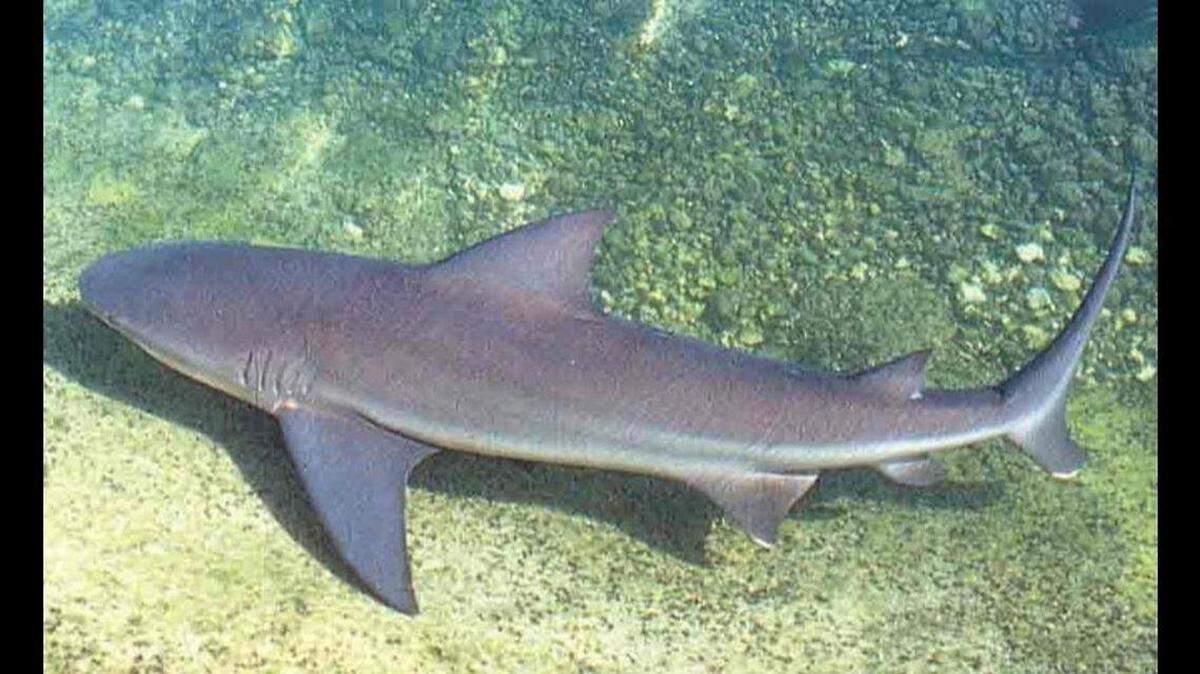
An 8-year-old boy who was bitten by a shark while snorkeling off the Florida Keys Monday afternoon continues to recover from surgery that saved his leg, Monroe County’s sheriff said.
The boy was bitten on the leg above the knee while swimming at Horseshoe Reef about four miles from shore off Key Largo around 3:35 p.m. Monroe County Fire Rescue paramedics flew him to Ryder Trauma Center at Jackson Memorial Hospital, where he remained Tuesday, Sheriff Rick Ramsay said.
“[He] made it through surgery last night,” Ramsay told the Herald. “I understand that they have saved his leg.”
Florida No. 1 in shark bites
While Florida leads the world in shark bites, most occur in wavier parts of the ocean like in New Smyrna Beach in Volusia County, with surfers and swimmers the likely victims. The majority of shark bites happen accidentally, with the predators mistaking people for their preferred meal -- smaller fish.
READ MORE: Boy hospitalized after being bitten by shark in Key Largo, sheriff’s office says
“With surfing, you have a lot of splashing, the energy in the water is way up, the sharks aren’t seeing very well, and there is a lot of food in the water that they are hunting for. They’re going to make a mistake,” Gavin Naylor, director of the Florida Program for Shark Research at the Florida Museum of Natural History, told the Herald.
In 2024, there were 14 reported shark attacks in the state, eight of which happened in Volusia County, according to the International Shark Attack File, operated by the Florida Museum of Natural History. There were also two in Walton County in the Florida Panhandle, and one each in Martin, Brevard, St. Johns and Indian River counties.
Shark scientist Mahmood Shivji, a professor of biological sciences at Nova Southeastern University and director of the school’s Guy Harvey Institute and Save Our Seas Foundation Research Center, said in likely all of these cases, the people bitten were not on the shark’s menu.
“The fact is, that sharks do not want to eat us. We are not on their food list. When we go into the water, we are going into their home,” Shivji said. “Most bites that occur on humans are simply accidents from a case of mistaken identity.”
In the Keys, most people in the water are doing things like wading in shallow water, snorkeling, scuba diving or hanging out at a sandbar -- all activities less likely to end up encountering a confused shark.
Shark attacks in the Keys
But, serious shark bites do happen in the island chain. In August 2021, a 15-year-old boy was snorkeling off the Ocean Reef Club in Key Largo, near where the 8-year-old was bitten, and was attacked by what experts believe to have been a bull shark.
The boy made a full recovery, but was severely injured by bites to both legs.
A year later, doctors had to amputate a 10-year-old boy’s leg below the knee after he was attacked by a shark while snorkeling off Looe Key in the Lower Keys.
In September 2023, a 30-year-old man suffered a massive bite to his shoulder seconds after jumping into the water at Sombrero Reef, a popular snorkeling spot that surrounds a lighthouse in the Middle Keys. Experts believe that, too, was a bull shark.
Authorities do not know what type of shark bit the boy Monday. Common species in South Florida include bulls, lemon sharks, tiger sharks, black tips and Caribbean reef sharks.
Naylor said there are a variety of reasons why the shark bit the boy in Key Largo Monday, ranging from the shark being territorial about the reef, it mistook his leg for a fish or it was stressed.
“It’s hard to second guess the behavior of these animals,” Naylor said.
Shark bites are rare
Naylor also stressed that any activity has inherent risks, and it’s up to every person to weigh them when considering going into the ocean. But, it’s equally important to realize that being bitten by a shark remains rare, and there are far more dangerous things to worry about when swimming in the ocean than sharks.
“Two hundred times more people drown than are bitten by sharks, not killed by them, but bitten,” he said.
With the increasing number of people going into the ocean and the large number of sharks in the water, Naylor said there would be thousands of bites daily if sharks wanted to eat us.
“The fact that there are so few tells you they want to keep away from people,” he said.
Shivji agrees.
“Regarding the risk of going into the water, it’s important to keep in mind that it’s all relative. For example, many more people are injured on land while driving to and from the beach than by sharks in the water,” Shivji said.
This story was originally published September 2, 2025 at 12:46 PM.