Two anglers caught with dead parrotfish, big no-no in fishing circles. Deputy cites them
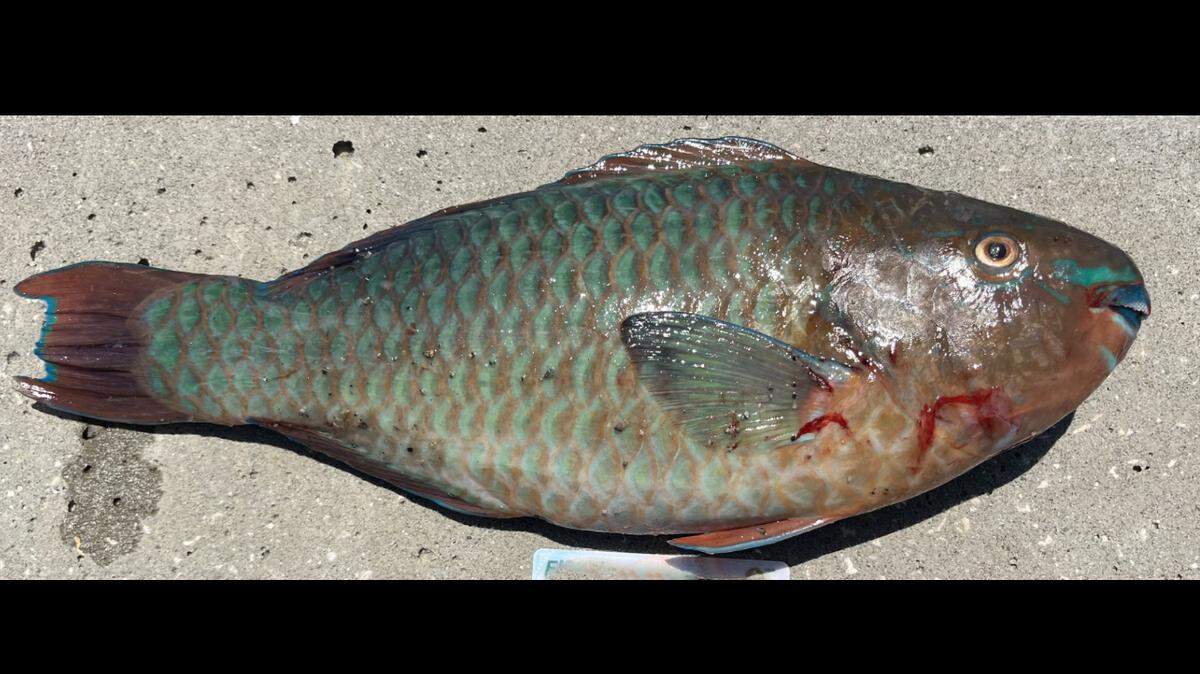
Two Homestead men were given notices to appear in court after a Florida Keys deputy found them with dead parrotfish Monday, according to the Monroe County Sheriff’s Office.
Deputy Willie Guerra, one of the sheriff’s office’s well-known marine patrol deputies, was making the rounds around 2:45 p.m. on Memorial Day when he saw the men fishing from the Long Key Bridge in the Upper Keys near Marathon.
Guerra checked the men’s catch and found two dead parrotfish, said sheriff’s office spokesman Adam Linhardt. The species is off-limits for food harvesting in Florida.
Keeping parrotfish requires a special license for those seeking to catch them alive for saltwater aquariums, according to Florida law.
Those thinking about flouting the rules have perhaps bigger concerns than breaking the law. Parrotfish are know to carry ciguatera because they use their tell-tale buck teeth to feed off the coral reef.
Ciguatera is found in the algae that grows on reefs in tropical and subtropical waters surrounding the Keys.
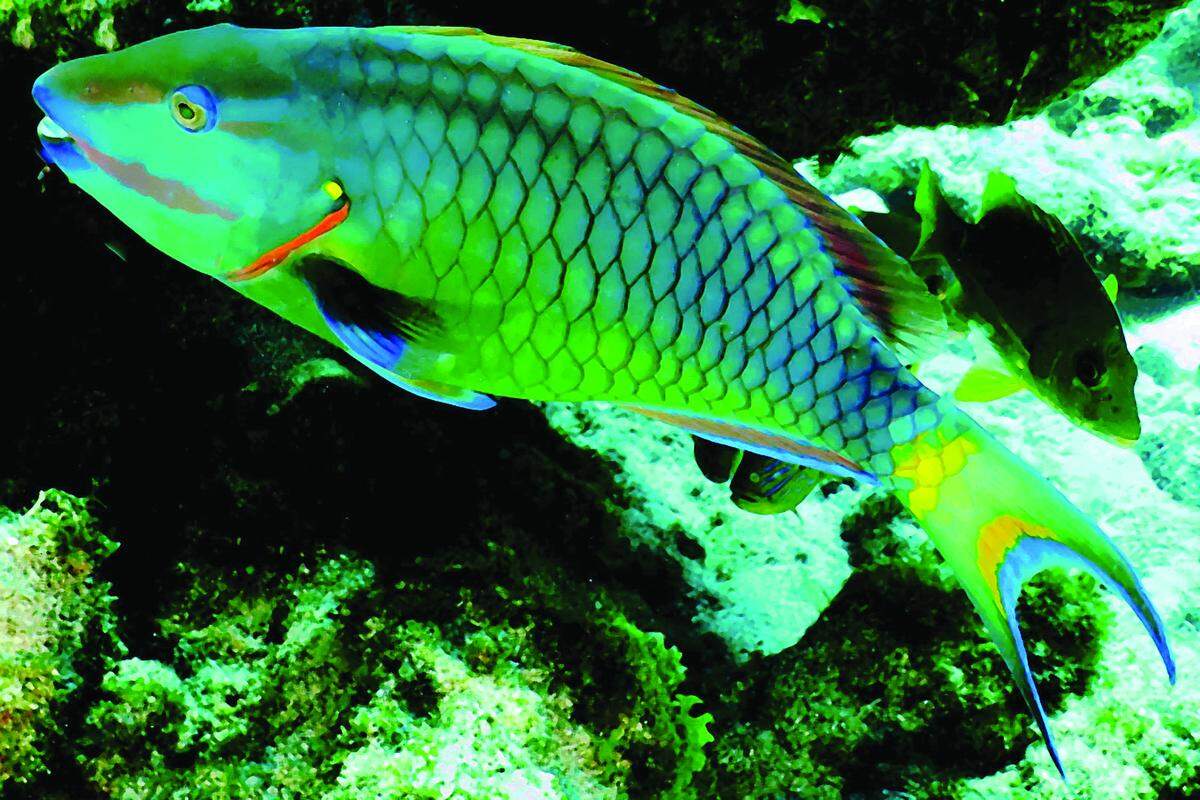
Fish that feed off the reef ingest the toxin in their flesh, and it moves up the food chain as those fish are eaten by bigger fish. People who eat those fish risk being infected.
That’s why it’s a generally a bad idea to eat not only parrotfish, but also species like barracuda, which are legal to harvest. Popular restaurant favorites like mahi mahi, hogfish and grouper can also carry ciguatera, scientists say, but it’s much less common.
People poisoned from eating fish containing the toxin experience unpleasant gastrointestinal, neurological and even cardiac symptoms that typically resolve within a few days, but could last weeks, according to Johns Hopkins School of Medicine. It’s odorless and colorless and can’t be eliminated by cooking the fish.