Billy Causey, ‘protector’ of reefs who Keys anglers once burned in effigy, dies at 81
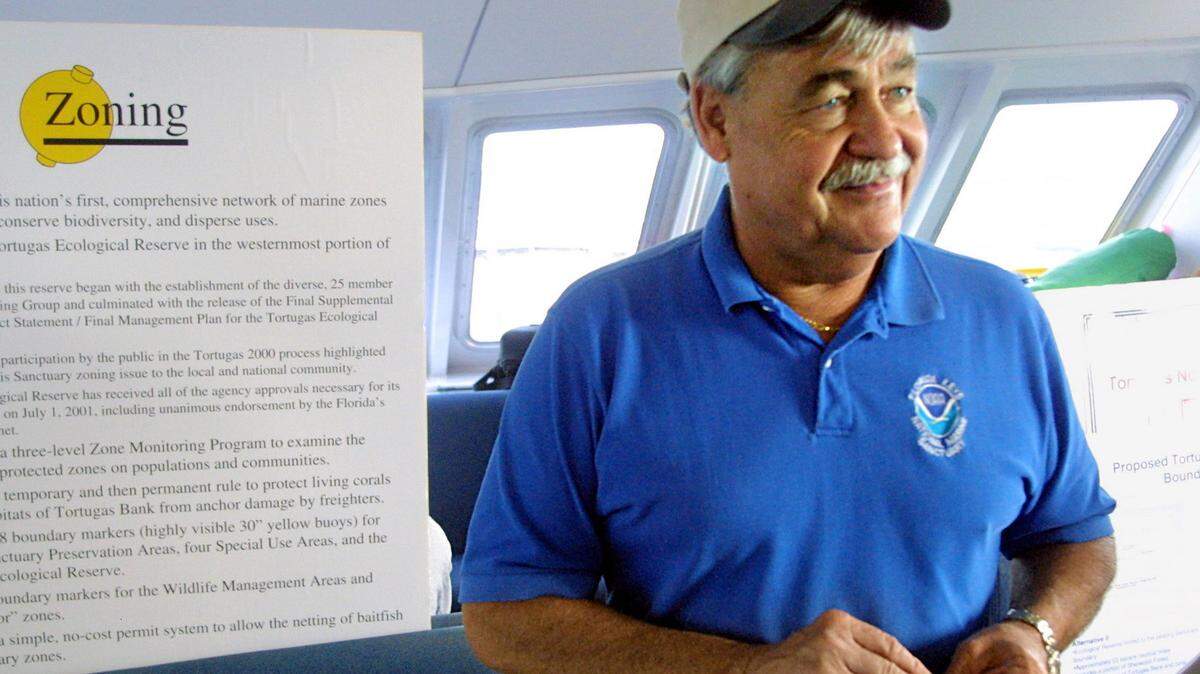
Over his lifetime, Billy Causey was a saltwater aquarium store owner, an Aquanaut, the first superintendent of the nation’s largest marine sanctuary and the source of so much ire from some Florida Keys fishermen that they once burned him in effigy.
Friends and former colleagues remember him as one of the original champions of Florida reefs, and a founding father of many of the protections they still enjoy decades later.
Last week, he passed away. He was 81.
Causey may have ended up an environmental champion, but he began his marine career collecting tropical fish to sell at his shop in the waters surrounding Looe Key. When those waters became a national marine sanctuary in 1981, Causey told the Herald at the time he was “adamantly opposed.”
“I was a very loud fist-pounding concerned fisherman,” he said.
But in studying the program so he could oppose it, Causey realized he actually supported the proposal. He ended up managing the 5-square-mile sanctuary for nearly a decade and spearheading the charge to designate a similar — but far grander — sanctuary for much of the Keys.
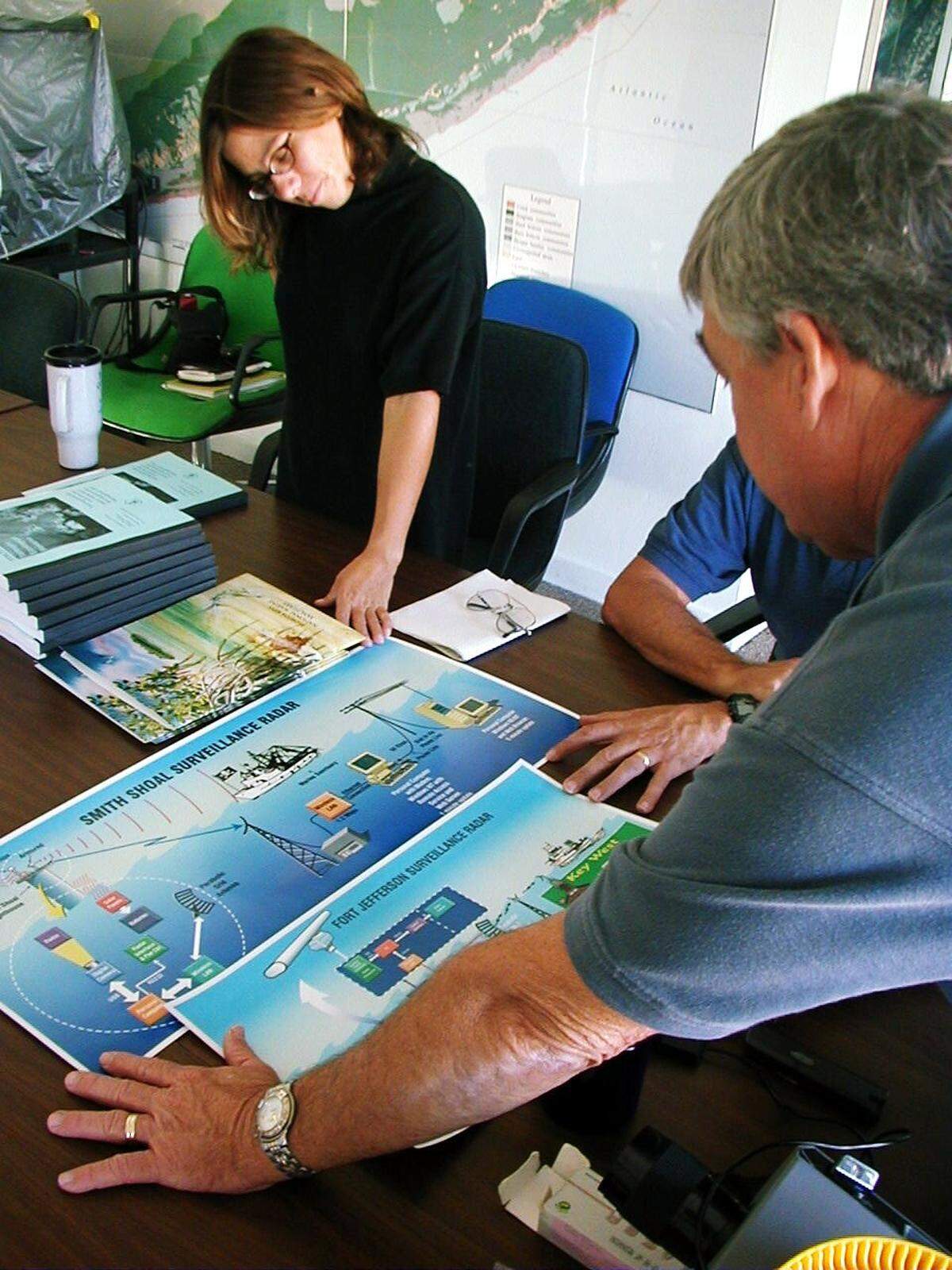
After three ships ran aground on the reef in just 18 days, provoking national outcry, Congress created the nation’s largest marine sanctuary in 1990 — a 2,800-square-mile swath from Dry Tortugas to Key Biscayne christened the Florida Keys National Marine Sanctuary. Causey was its first superintendent, a position he held for more than a decade.
Part of the plan to protect imperiled Keys reefs included designating several dozen spots where no one could fish or lobster or take anything from the reef, which infuriated some local anglers.
At a protest in 1992, upset residents waved signs, blocked traffic on U.S. 1, piled coconuts with painted slogans on them inside a sanctuary advisory council meeting — and burned human-shaped dolls meant to represent three people on the council, including Causey. An oceanographer on the council, John Ogden, had his tires slashed and windshield smashed, he told PBS.
A nonbinding referendum in 1996 found that 55% of the Keys voters did not support the sanctuary, but local, state and federal officials did.
The controversial idea ended up becoming law, and in the 35 years since, no-fishing spots have proliferated in marine sanctuaries around the nation, thanks to the “pilot project” in the Florida Keys.
The success of the sanctuary was due, in large part, to Causey and his willingness to work with anyone, no matter how much they disagreed with him, said Mark Eakin, a retired NOAA vet who ran its Coral Reef Watch program for many years.
Eakin called Causey a “sweetheart” whose legacy as a defender of the reefs is only dwarfed by his reputation for getting along with everyone.
“The people who were protesting the hardest, some of them ended up on his sanctuary advisory board,” he said. “He never found anybody he could not work with.”
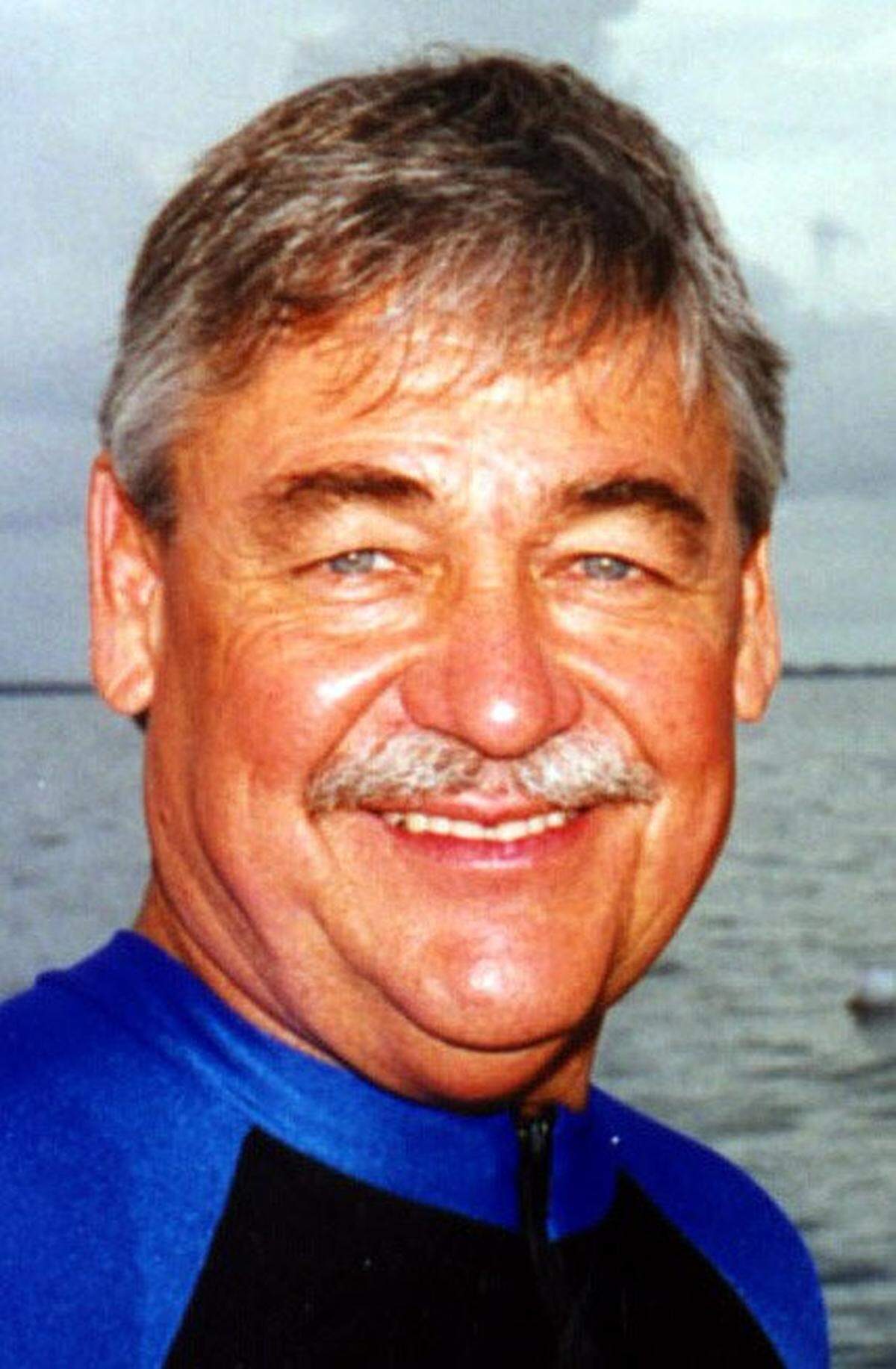
After heading the sanctuary, Causey went on to serve as the southeast regional director for the Office of National Marine Sanctuaries within NOAA.
There, Eakin said, he coached other staffers across the region on how to convince warring groups to work together and hammer out management plans that benefited everyone. And he served as a valuable reminder that things were never quite as bad as they may seem.
“I didn’t know a single manager in all the sanctuaries who, if there was a problem going on, didn’t say ‘Well, at least I wasn’t hung in effigy’,” Eakin said.
Causey retired in 2019, according to the Key West Citizen.
“I look back at my life, and there’s nothing I would have rather done than working with the sanctuaries,” Causey told the Citizen. “Coral reefs are under assault around the world, and I just want to build continued support for FKNMS. I know they are in trouble, and finally we have enough people looking.”
A climate champion
During his career, Causey was also one of the first voices to ring the alarm bells on how climate change was affecting Florida’s coral reefs, particularly after the first major coral bleaching episode in the late 1980s.
“Lots of his predictions about how climate change would affect the reef and its resources have come true, unfortunately. He saw it coming,” said Chris Bergh, field program director for The Nature Conservancy and a longtime colleague of Causey.
“Florida saw these impacts first and he told the Caribbean, the Pacific, everywhere, ‘be on the lookout, it’s coming.’ He was pooh-pooh’d for that but he was right. All of those places have seen these impacts.”
On top of his government service, Causey was a publishing scientist. It took him to some strange places, earning him the title of Aquanaut.
Causey was part of a four-person crew of scientists, including famous marine biologist Sylvia Earle, who lived in an underwater research facility in the Keys in the 1990s — Aquarius Reef Base. Fifty feet underwater, the scientists were fully saturated and could dive all day long on Conch Key, where they examined deep water reefs, tagged fish and test-ran new underwater night vision goggles.
A former colleague from his Aquarius days posted on Causey’s Facebook page this week that “he loved to tell how Sylvia would get lobsters to give her a kiss - antennae tapping her on her face when she got close.”
“A great person and protector of the Keys reefs. You’ll be missed,” wrote Mark Hulsbeck.