How the murder of a young couple in the Florida Keys played out a second time in court
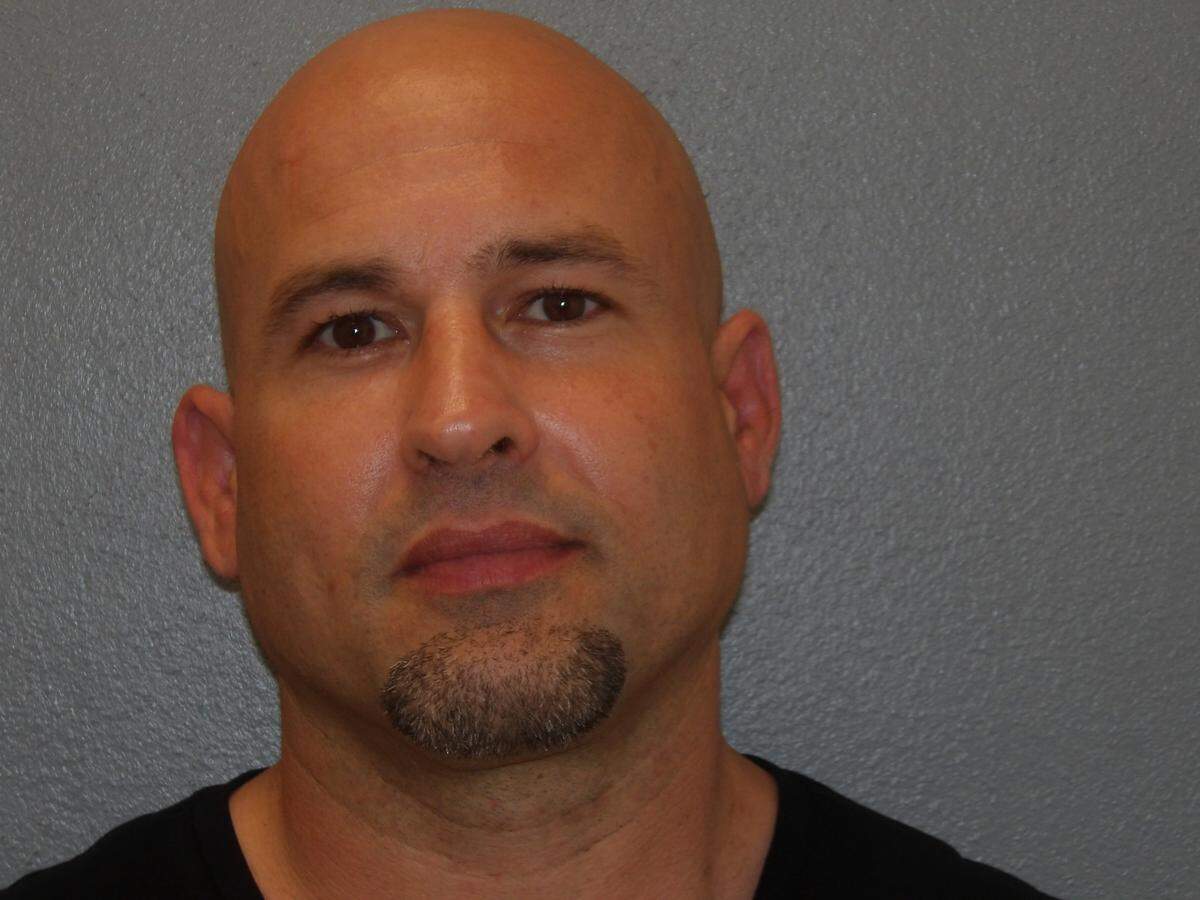
The man convicted in May of murdering a Florida Keys couple in 2015 over a cocaine dealing operation that went sour has been sentenced to two consecutive life prison terms by a Monroe County judge.
Circuit Judge Luis Garcia issued the sentence Tuesday at the Plantation Key courthouse. The ruling came nearly a month after 12 jurors convicted 41-year-old Jeremy Macauley of first-degree murder in the shooting deaths of Tara Rosado, 26, and Carlos Ortiz, 30, inside Rosado’s Tavernier home on Oct. 15, 2015.
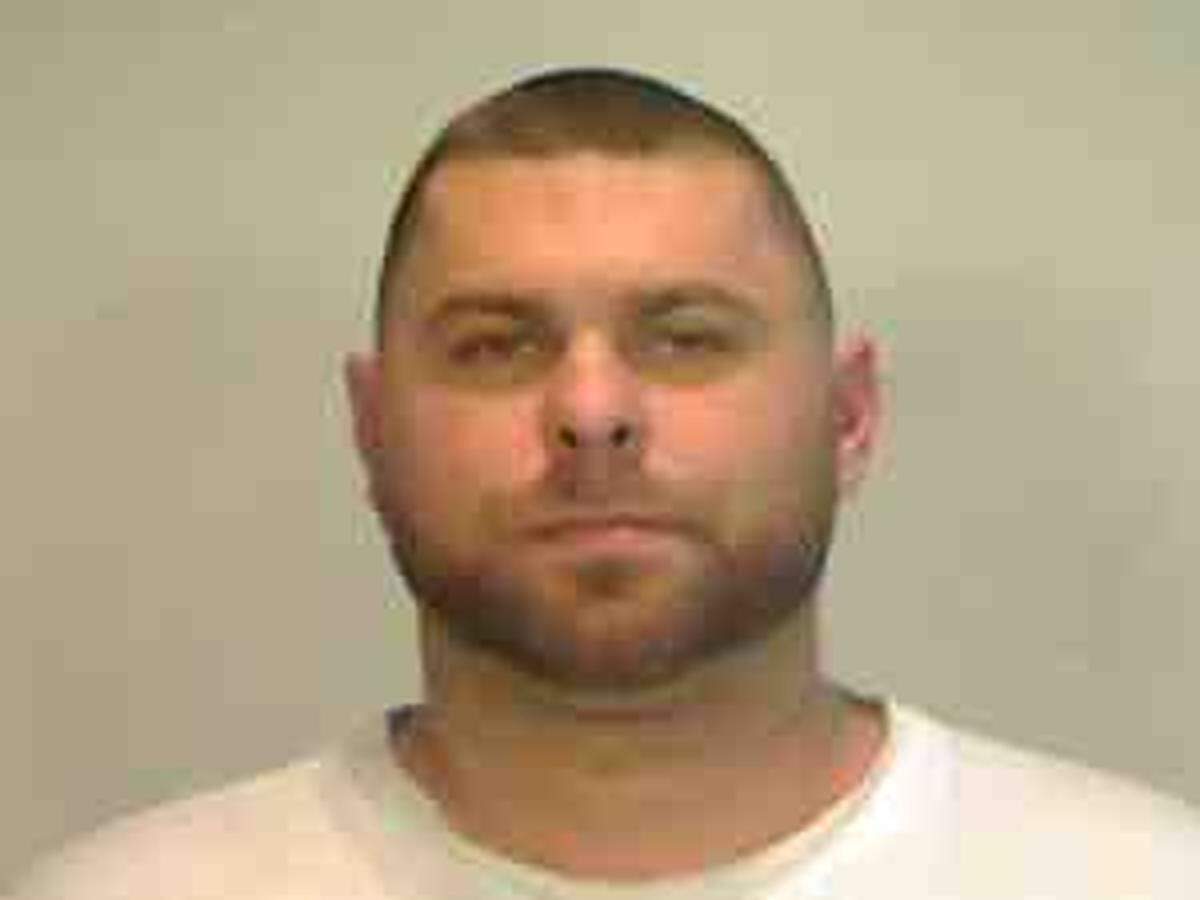
Macauley was being retried because a state appeals court overturned his 2017 conviction on the same charges after Garcia didn’t allow jurors to hear a sworn statement given by a jailhouse informant during the original trial. The appellate judges ruled the statement — saying another man took credit for the slayings — should have been heard. He had been convicted after the first trial and received the same sentence.
Family reaction
Rosado’s family, after enduring the second trial, issued a statement Thursday to the Miami Herald saying they’re pleased with the sentence, but disappointed that Macauley’s defense attorney announced that he will again appeal the verdict.
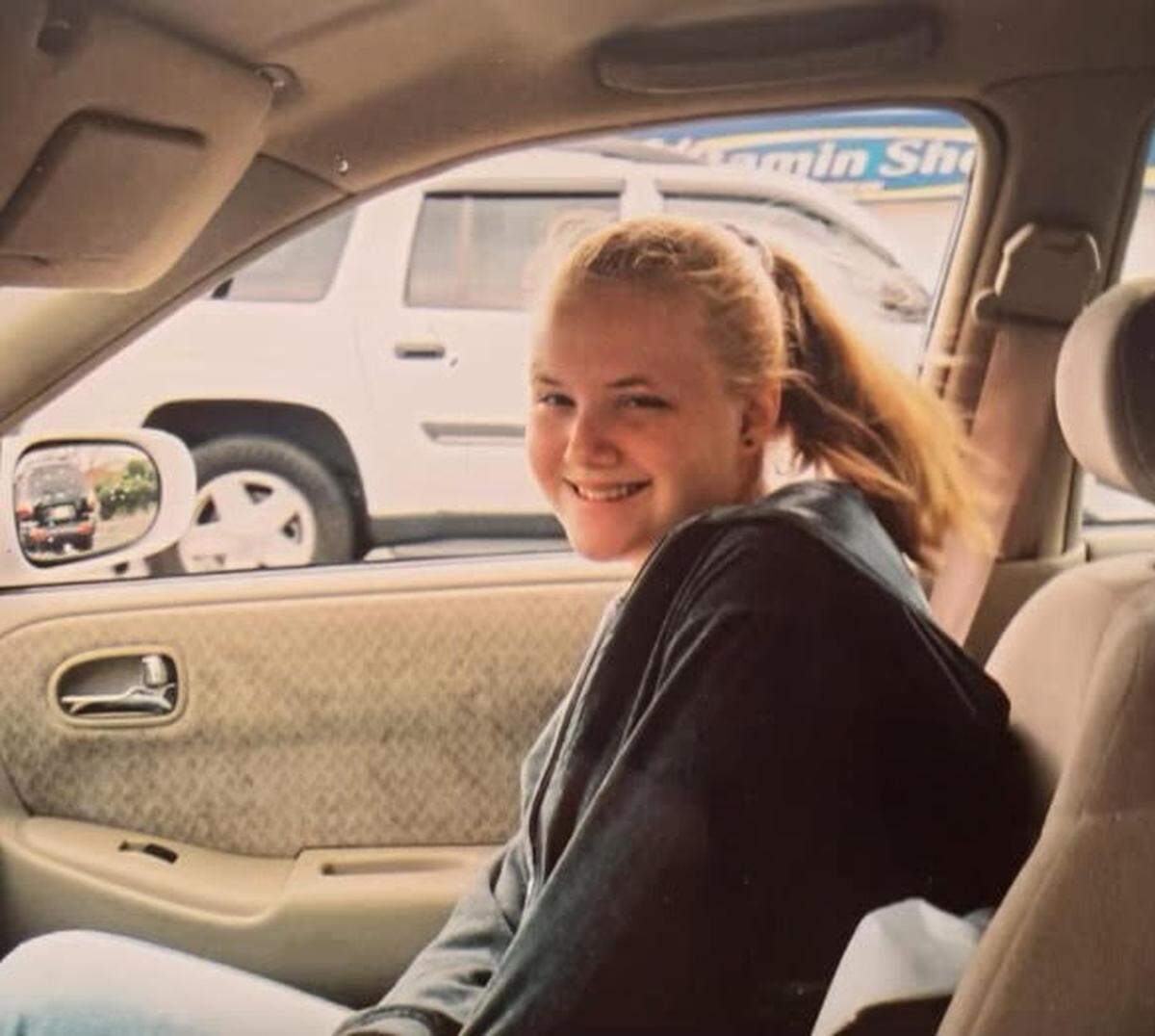
“I am truly unsure how much pain inflicted will be enough to satisfy this man,” Rosado’s sister, Katelyn Farley said. “However, for now [she, her parents and Rosado’s children] are once again at peace and we can only hope it stays that way.”
Rosado’s three children were inside the Cuba Road house the night Rosado and Ortiz were both shot once with a .45 Caliber Colt 1911 pistol, which prosecutors say Macauley fired. The children were found unharmed the next day by a neighbor, who then went inside the house and found the bodies.
Case background
Prosecutors says the motive for the case was to silence Ortiz, who had been sending a series of threatening text messages to Macauley and Macauley’s boss, charter fishing captain Rick Rodriguez, demanding more money over an ongoing cocaine selling operation. If he didn’t get the money, Ortiz told the pair that he’d rat them out to police.
The cocaine they were selling was from a huge load in which investigators say Macauley, a fishing mate and Rodriquez found the previous summer while on a charter with clients. The clients were paid off to keep quiet. Plus, Macauley employed several friends, including Ortiz, to break down the contraband — said to be up to 18 to 20 kilos — and deal it locally in the Upper Keys, both prosecutors and Macauley’s defense attorney, Donald Barrett, said at the trial.
Rodriguez was never arrested in connection to either the cocaine or murders, and has denied to the Miami Herald that he was involved in either crime.
The man who drove Macauley to the house the night of the murders was another local charter boat mate and captain, Adrian Demblans. He was also one of the men helping Macauley sell the cocaine.
After the killings, Demblans drove Macauley through a Key Largo subdivision, where they threw the Colt and a cellphone Macauley stole from the house off a small bridge into a canal, investigators say. Macauley wanted the phone because he believed it contained the text messages of conversations between him and Ortiz, according to prosecutors.
Solving the crime
A snorkeler swimming in the canal a month later found the gun, turned it in to the sheriff’s office, which allowed detectives to start piecing together the narrative of the crime. Sheriff’s office divers found the phone days later.
Demblans, 42, made a deal with prosecutors before the original trial and agreed to cooperate in the investigation against Macauley. In exchange he was sentenced to 10 years in prison for accessory after the fact. Had he gone to trial, he faced 30 years in prison. He ended up being released after eight years for cooperating in the state’s investigation into the cocaine operation.
During the trial, he testified that he did not know Macauley was going to kill Ortiz and Rosado. Rather, Demblans said he drove Macauley to the house so Macauley could give Ortiz money in hopes he would stop threatening to go to the cops.
Barrett, Macauley’s attorney, argued during the trial that his client was at his Key Largo home with his wife the night of the murders. He cited cellphone records showing his phone never left his house, and argued that security camera footage from that night that investigators say showed Macauley outside Rosado’s home was too grainy to discern who was in the images.
He also cited claims from the informant at the root of the retrial. That man, Eric “Bama” Lansford said in his sworn statement that Demblans’ twin brother, Kristian Demblans, told him during a conversation that happened while they were both in county jail that he was the one who shot Ortiz and Rosado — not Macauley.
Lansford was set to fly from Alabama to the Keys to testify in the 2017 trial, but backed out the day he was set to appear in court — telling Macauley’s attorney at the time that he received calls from Key Largo threatening he’d be killed if he showed up.
Speaking with a Miami Herald reporter outside the courthouse after he testified last month, Adrian Demblans insisted his brother — although a drug dealer at the time — ran in different circles and was not involved with Macauley’s cocaine operation, so he had no motive to kill anyone.
He also said that even if Kristian told Lansford he shot the couple, he was unstable at the time because he was withdrawing from heroine while locked up, and he also may have been trying to portray an image as a hardened criminal so other inmates would leave him alone.
This story was originally published June 7, 2024 at 7:00 AM.