Three groups of Cuban migrants land in the Florida Keys in one day
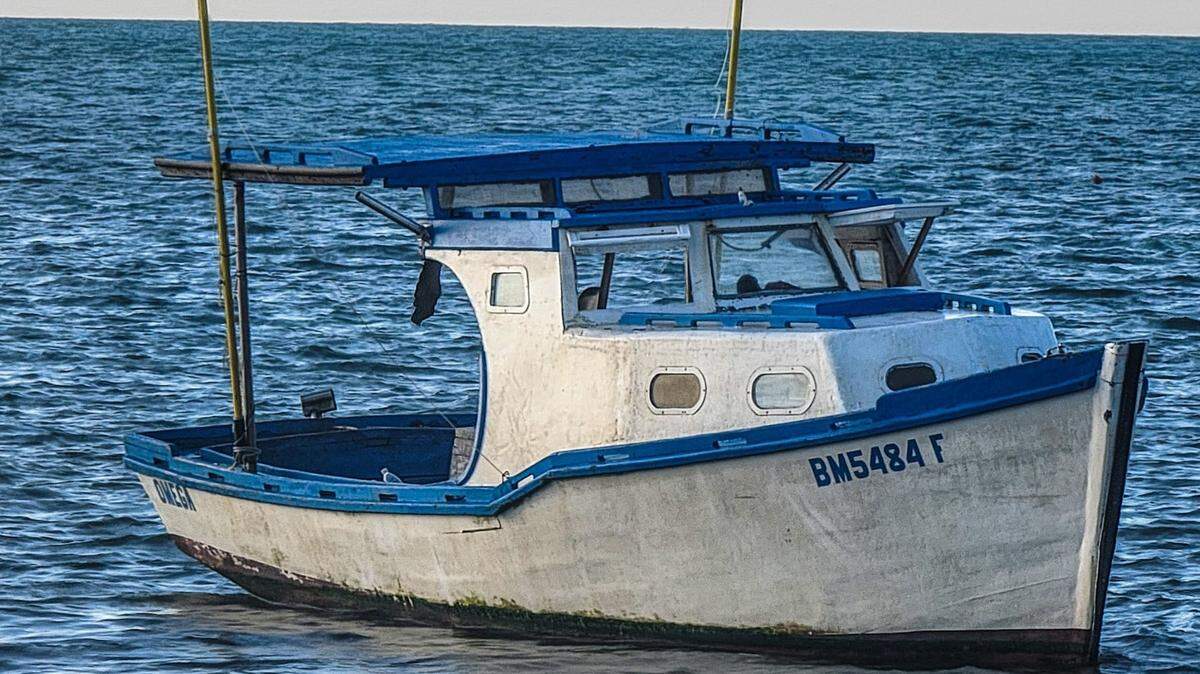
Three separate groups of Cuban migrants made landfall in the Florida Keys Thursday morning, according to Monroe County authorities and the U.S. Border Patrol.
The landings are part of a surge in maritime migration to South Florida from both Cuba and Haiti not seen since the months before President Barack Obama in 2017 abruptly ended the U.S. immigration policy known as “wet foot, dry foot.” That policy allowed Cuban migrants who set foot on U.S. soil to stay in the country and apply for permanent residency after one year.
The first group — 15 people — landed in Key West around 2 a.m. Thursday, the U.S. Border Patrol said in a statement on Twitter.
Adam Linhardt, spokesman for the Monroe County Sheriff’s Office, said another group landed around 8:30 a.m. around mile marker 77 in the Upper Keys village of Islamorada. There were about 15 people in that landing as well, Linhardt said.
Then, around noon, another group arrived near Anne’s Beach, at mile marker 73, which is also in Islamorada, said Adam Hoffner, division chief for U.S. Customs and Border Protection’s Miami operations. The number of people in that group is “pending,” Hoffner said.
While the numbers of Cuban migrants who’ve made landfall since Oct. 1 are not available, the Coast Guard said it has stopped 1,053 people at sea migrating from the island nation in that time frame. That’s compared to 838 in all of fiscal year 2021. A fiscal year runs from Oct. 1 through the end of the following September.
And, the current numbers dwarf the 49 people the Coast Guard stopped along the Florida Straits in FY 2020.
The last time U.S. authorities have dealt with a surge from Cuba this large was in FY 2017, when the Coast Guard interdicted 1,468 migrants. In January 2017, the Obama administration, in an effort to thaw diplomatic ties with Cuba, ended wet foot, dry foot.
Cubans feared the end of the policy, which essentially categorized those fleeing the communist country as refugees. Thousands headed for South Florida in the months leading to the end of Obama’s final term; in FY 2016, the Coast Guard said it stopped 5,396 Cubans at sea.
Experts cite deteriorating political and economic conditions within the island nation as the reason for the most recent spike in people migrating, even though now, no matter if stopped on the water or on land, almost all are sent back to Cuba.
Likewise, the Coast Guard, Border Patrol and other federal agencies that enforce U.S. immigration laws are encountering more Haitian migrants than they have in more than five years, with 2,284 people already stopped at sea since Oct. 1 — already surpassing the 1,527 interdicted in all of FY 2021, according to the Coast Guard.
READ MORE: Arrivals of hundreds of Haitians in the Keys is sign of new trafficking routes
Haitians are fleeing not only political and economic turmoil, but also a violent humanitarian crisis in the wake of the July 7 assassination of President Jovenel Moïse and a magnitude 7.2 earthquake five weeks later that killed more than 2,000 people.
Gang violence and political instability have made providing assistance and security to those in affected areas increasingly difficult.
.jpg "IMG_5496 (1).jpg")
This story was originally published March 24, 2022 at 1:51 PM.