Migrant surge continues, with a group of almost 30 Cubans landing in the Keys
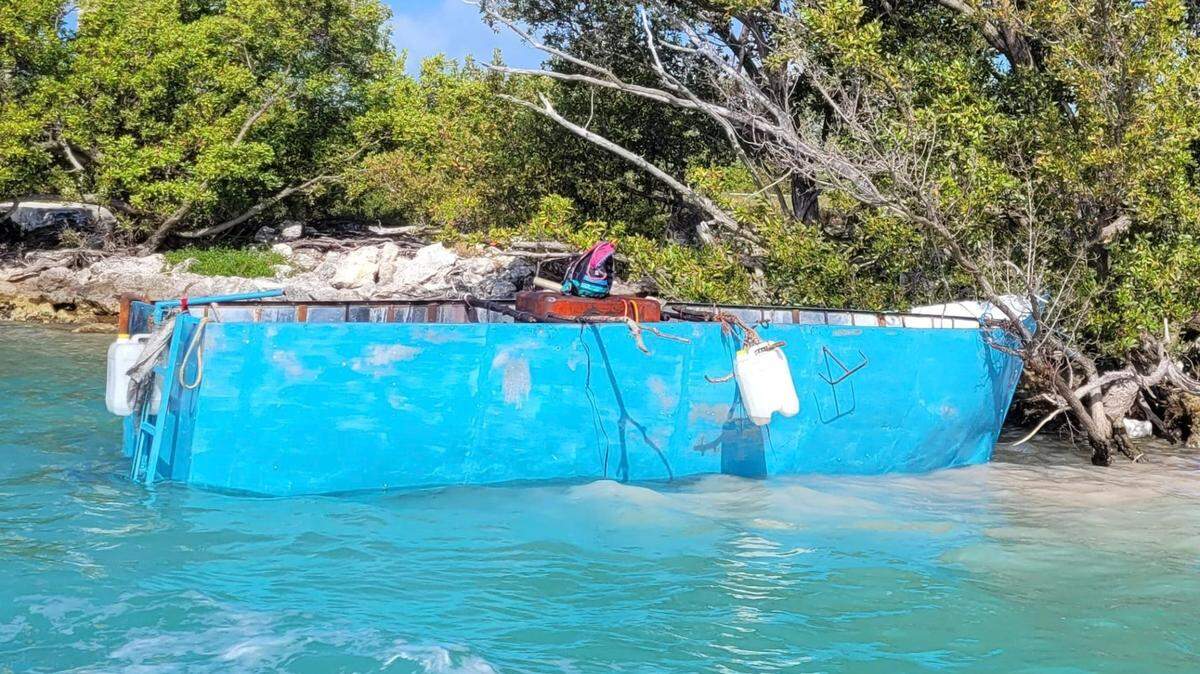
Three days after a small wooden ship grounded off Key Largo carrying 356 Haitian migrants, a homemade boat arrived onshore in the mangroves farther down the Florida Keys with 29 migrants from Cuba on board.
Both landings are part of a maritime migration surge from Cuba and Haiti that experts say is the result of worsening economic, political and life safety conditions within the island nations.
The U.S. Border Patrol said the Cuban migrants came ashore Wednesday on Conch Key, a small island just north of the Middle Keys city of Marathon. According to Monroe County Sheriff’s Office dispatch records, the first report of the boat landing came in shortly after 5 a.m.
The Border Patrol released photos of the boat showing the vessel is constructed of plywood painted blue, with a car engine installed in the middle of the craft. The agency did not immediately respond to questions about from where the people said they departed, how long they said they were at sea or if any needed medical assistance.

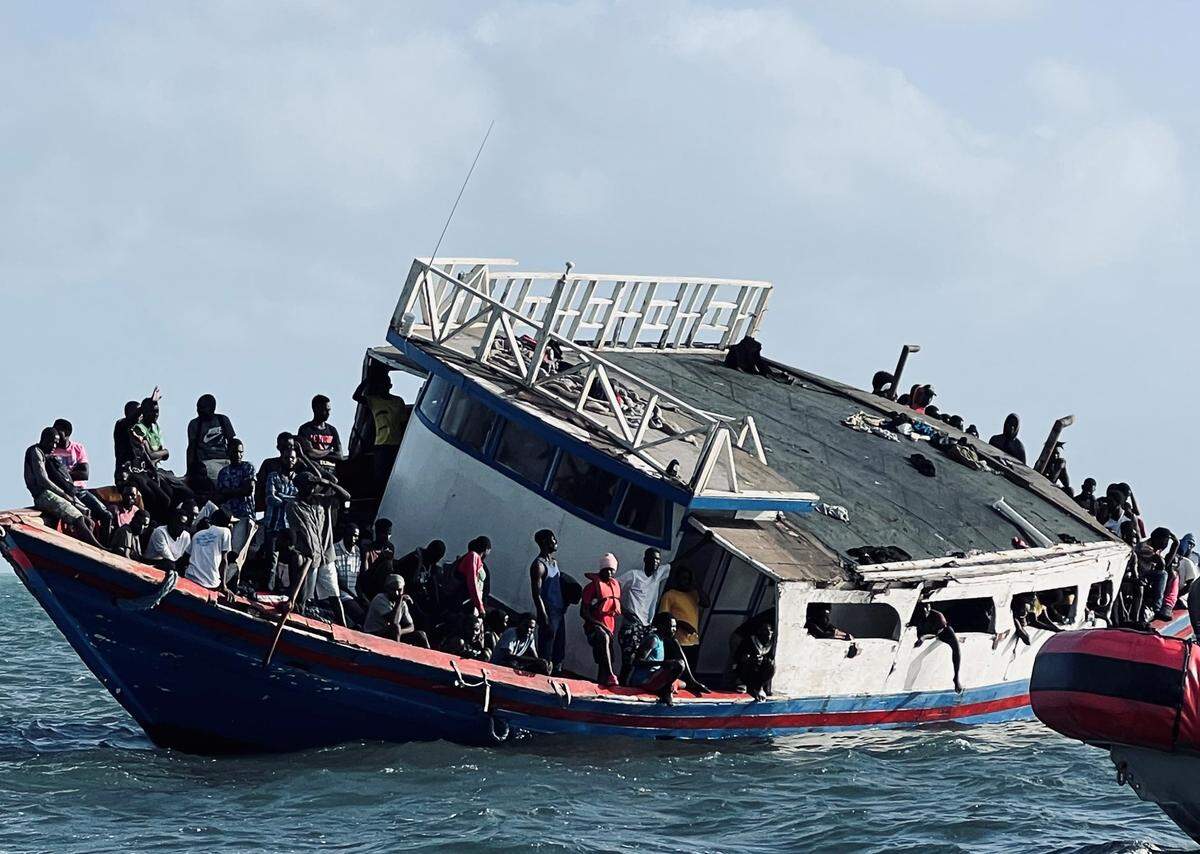
The landing follows one of the largest arrivals of Haitian migrants on the shores of South Florida in recent history, happening just 200 yards off the coast of the exclusive gated community of Ocean Reef Club in north Key Largo Sunday afternoon.
Almost half of the occupants of the dilapidated vessel jumped ship and swam for shore as soon as it grounded. The rest stayed on board. Those who remained on the vessel were loaded onto a Coast Guard cutter and are expected to be returned to Haiti later this week, immigration officials say.
The group that made it to shore was taken to two separate Border Patrol facilities — one in Dania Beach, and the other in Marathon. Border Patrol officials say they will be taken back to Cuba after they are processed for removal.
Both incidents are a continuation of a spike in maritime migration to South Florida that began over the past two years.
According to the Coast Guard, the agency has already stopped 852 people at sea between Cuba and South Florida since Oct 1. That tops the 839 Cuban migrants caught on the water last fiscal year — a period that runs from the beginning of October to the end of September — and far surpasses the 49 interdicted in fiscal year 2020.
Likewise, the Coast Guard has been dealing with a marked increase in maritime migration between Haiti and South Florida, even before Sunday’s landing. The latest numbers from the agency show 1,152 people from Haiti have been stopped at sea attempting to migrate to the States.
At the current rate, Haitian maritime migration could soon catch up to or surpass last fiscal year, when a total of 1,527 people from Haiti were interdicted, according to the Coast Guard.
Migrants from both Cuba and Haiti, whether stopped at sea or after they make it to shore, are mostly sent back to their home countries.
Up until early 2017, Cubans had an incentive to attempt the dangerous journey across the Florida Straits because of a U.S. immigration policy known as “wet-foot, dry-foot.” Those stopped at sea were returned, but those who set foot on land above the high-water mark were allowed to stay and apply for permanent residency after a year.
The policy was a Cold War holdover that the Obama administration ended in its final days because it sought to mend diplomatic ties with Cuba’s communist government.
Sensing an impending end to the policy, South Florida experienced a surge in migration from Cuba in Obama’s final year in office, with more than 5,400 people stopped along the Florida Straits in 2016, according to the Coast Guard. In the years after, those numbers gradually dwindled to the point where in fiscal year 2020, the Coast Guard reported it only found less than 50 people from Cuba along the maritime route to South Florida.
This story was originally published March 9, 2022 at 1:27 PM.