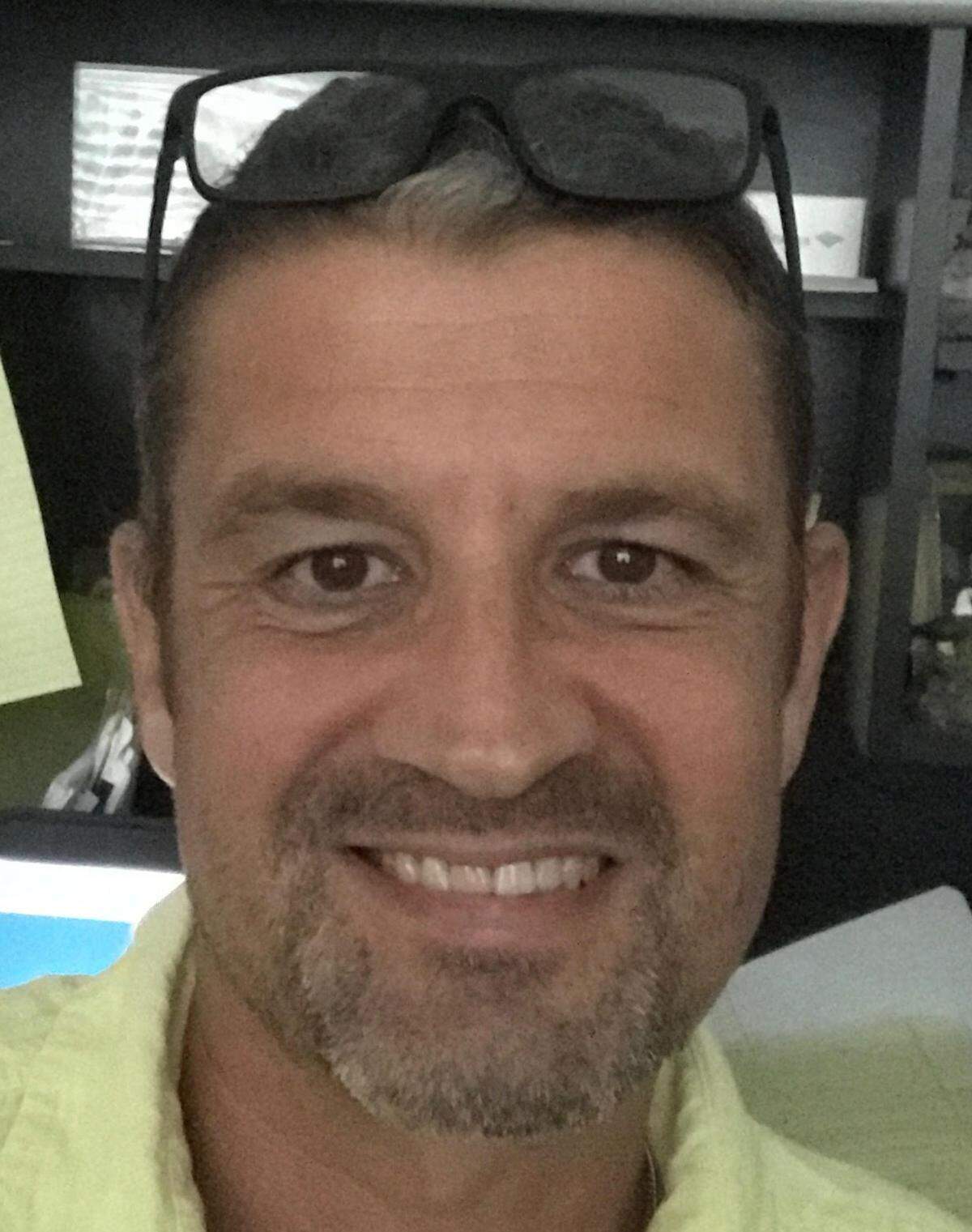
He was raised on smuggling in the Keys. After 30 years, he’s set to be released
In the late 1980s, 22 members of a cocaine smuggling ring were arrested in Alabama for putting together a caper to import millions of dollars of drugs into the United States.
Only one of them remains in federal prison — Richard “Dickie” Lynn, from the Florida Keys.
“Everyone else has long since served their time and had gone home,” said William Norris, Lynn’s most recent attorney.
Lynn’s supporters, who include a career U.S. Coast Guard and Drug Enforcement Administration agent, say he’s still sitting in stir because he embarrassed federal prosecutors at the time, including former U.S. Attorney General Jeff Sessions.
Lynn, 65, received welcome news this week when a federal judge granted his motion for compassionate release after serving almost 31 years in prison.
U.S. District Court Judge William H. Steele of the Southern District of Alabama, ordered Lynn released effective June 29 because he has serious health issues and because his 31-year sentence, “the last 26 of it spotless,” is sufficient punishment for his crimes, according to the judge.
Lynn grew up in the Keys, where at least some of the seed money for many longtime businesses still in operation came from the drug trade of the 1970s and ‘80s. Like many of his peers, he made smuggling marijuana and cocaine a career.
Many of them were also busted. However, most served an average of 10 years.
After Lynn was arrested in Alabama, he was convicted of five counts of smuggling. Then-U.S. Attorney for Alabama’s Southern District Jeff Sessions — who went on to be President Donald Trump’s embattled attorney general — wrote a stiff sentencing report urging a judge to give him seven life sentences.
It was a tactic to persuade Lynn to cooperate with cops who were after other smugglers and assets. But the strategy backfired. Instead of compelling him to inform on others, Lynn was scared into escaping from a temporary holding facility.
In the six months he was on the lam, Lynn went back to making a living importing drugs. Federal agents caught him in 1989 putting together another cocaine deal.
Since the guidelines were in place when he escaped calling for seven life sentences, any deal to lessen his punishment became unlikely. Despite this, Lynn immediately began cooperating with members of a regional federal and state drug task force in the Southern District of Mississippi, according to court documents.
His efforts bore fruit for law enforcement in the form of arrests, thousands of kilograms of cocaine off the streets and seized assets, Ken Davis, the retired Coast Guard intelligence officer and DEA agent, said.
However, Davis said Lynn’s cooperation was for naught because he left Sessions with egg on his face when he skipped from jail months earlier.
Prosecutors in Mississippi approached their colleagues in Alabama arguing that Lynn deserved a “Rule 35” hearing. It’s when a judge decides whether to reduce a defendant’s sentence based on his cooperation with prosecutors.
The Alabama prosecutor handling Lynn’s case wasn’t having it, Davis said, and “literally turned her back” on her Mississippi counterparts.
Lynn’s been in prison ever since, and his health has seriously deteriorated, Steele wrote in his June 15, 2020, ruling. His ailments include serious heart disease, kidney disease and degenerative discs in his back, according to Steele.
Davis, now an elected member of the Islamorada Village Council, is just one of many people who have been petitioning for Lynn’s release. Others include agents who helped put Lynn away in the 1980s and Florida Keys residents and government officials.
In November 2018, Davis and three of his four colleagues on the dais voted to send a letter to the White House urging clemency for Lynn.
Upon hearing the news this week, Davis said Steele’s ruling was a long time coming.
“It is mine, and the opinion of the agents who incarcerated Dickie, that his sentencing seemed vindictive and excessive,” Davis said. “He has served a lifetime in prison, and it’s time for him to come home.”
Miami Herald staff writers Jay Weaver and Alex Harris and politics and health policy editor Amy Driscoll contributed to this report.
This story was originally published June 19, 2020 at 11:56 AM.