Did the roadblocks in the Florida Keys work? As they come down Monday, there are answers
At 12:01 a.m. Monday, checkpoints set up on the two roads heading into the Florida Keys are coming down after more than two months.
They were put up to keep tourists from entering the island chain in an effort to slow the spread of the novel coronavirus. With the relatively low numbers of positive cases of COVID-19 — the illness caused by the novel coronavirus — it appears they served their purpose.
“It’s been very effective in keeping the community safe, but the time has come,” Monroe County Sheriff Rick Ramsay said in a Facebook address to the community.
While Miami-Dade County remains a hot spot for the virus, the Keys have held steady at under 110 cases, and more than 20 of those are from a nursing home on Plantation Key.
“The fact that we had such a flat curve is a demonstration of the effectiveness of the checkpoint, as our health officials will affirm,” Monroe County Mayor Heather Carruthers said.
Four deaths in the Keys were attributed to COVID-19, according to the Florida Department of Health.
The numbers are much different in Miami-Dade and Broward counties. There are nearly 18,000 cases in Miami-Dade, and about 700 people have died from the disease, according to the state Health Department. Broward has more than 7,000 cases and more than 300 deaths.
Given those high numbers so close to the Keys, and Monroe County home to only three hospitals, officials set up the checkpoints — one on the 18 Mile Stretch of U.S. 1 and the other on County Road 905 — on March 27.
“Miami-Dade, Broward and Palm Beach were hots pots, with thousands of cases,” Carruthers said. “We have a fluid relationship with those mainland counties.”
Not everyone agreed the checkpoints were needed at the beginning of the pandemic, and the sheriff’s office was initially hesitant because of staffing issues.
However, leaders in the municipalities of Islamorada, Marathon and Key West were adamant that if they were to successfully lock down their communities, the checkpoints were needed to keep visitors away.
On Friday, March 27, the checkpoints opened. But there was an immediate hiccup in the plans just a day after the checkpoints went up. The original order for the roadblocks from the county’s Emergency Management office had them coming down by that Sunday. The reason was because the sheriff’s office said it could not staff the posts indefinitely without help.
Officials in incorporated areas were outraged because they said they were not informed about the limited window the checkpoints were to be up. To make matters worse, hours after the checkpoints opened, Florida Gov. Ron DeSantis prohibited state law enforcement from working them.
By the end of the weekend, a deal was worked out in which the incorporated areas agreed to have their police and staff help at the checkpoints. County firefighters and State Attorney’s Office investigators also worked the two posts.
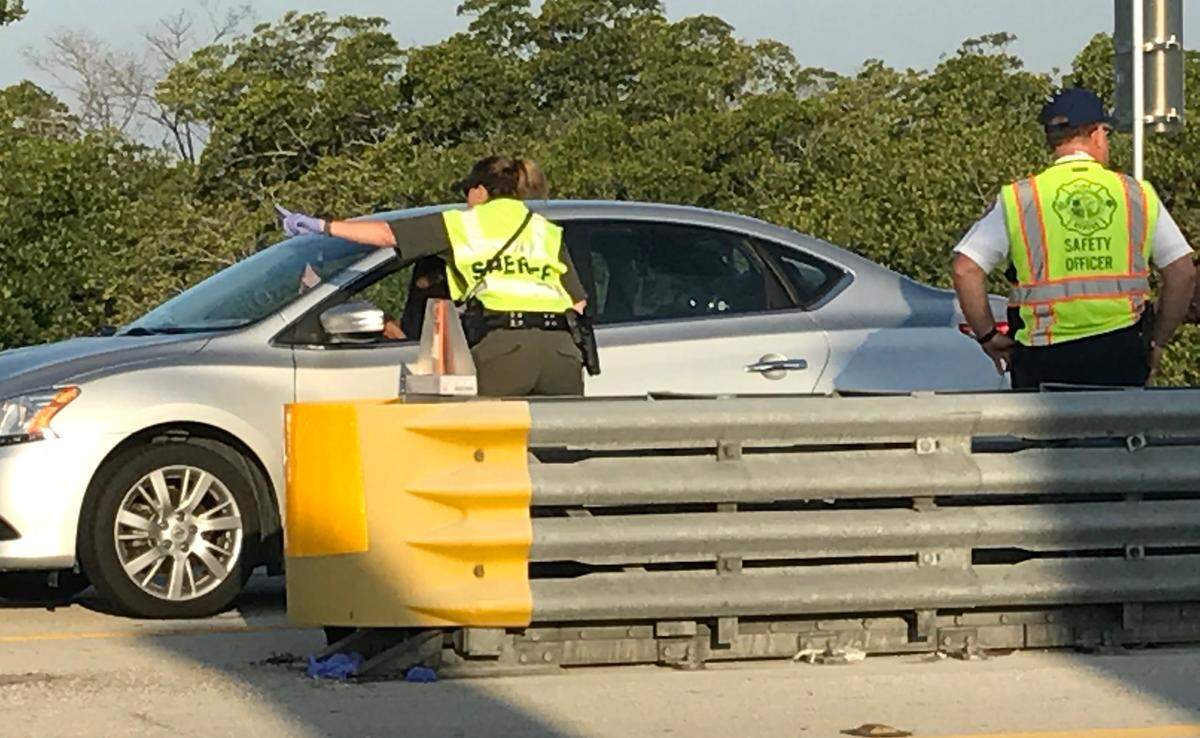
“Dedicated women and men from the various municipalities from throughout the county, led by Capt. Don Fanelli, were the key to success,” Islamorada Village Councilman Ken Davis said, referring to the deputy who commanded the checkpoint operations.
Since then, more than 18,750 cars coming from the mainland have been turned around because drivers did not present the proper paperwork that showed they either worked or lived in the Keys, said Kristen Livengood, county spokeswoman.
Despite the toll on tourism, many in the Keys got behind the checkpoints. Others fought them.
Earlier this month, a Key West family that owns five clothing shops on Duval Street filed a lawsuit against Monroe in response to the checkpoints, arguing that county leaders enforced a “blatantly unconstitutional” emergency order that stopped the family from earning a living.
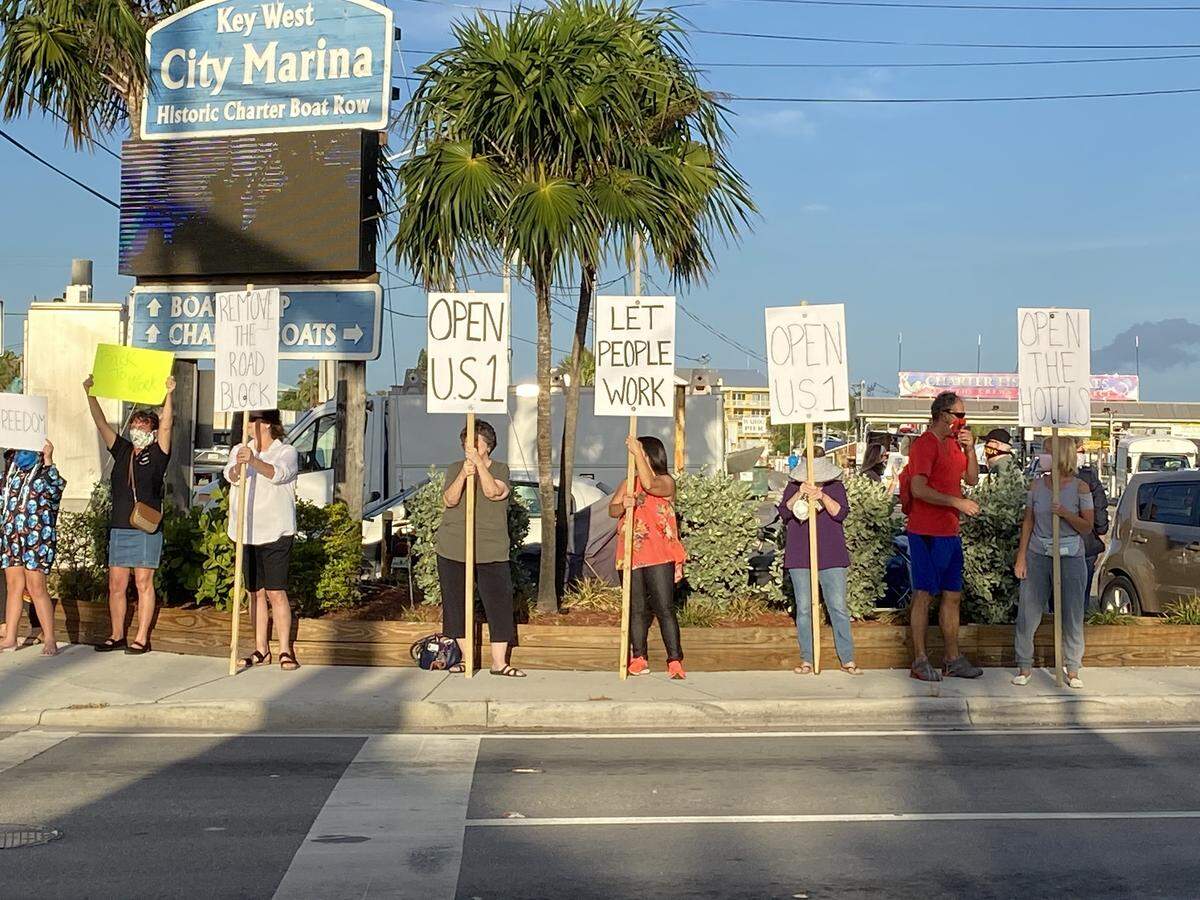
The lawsuit came on the heels of a protest of about 80 people in Key West, including some well-known business leaders, urging the county to end the checkpoints and let mainlanders back into the island chain to spend money.
That will happen when the Keys open to tourists again on Monday.
This story was originally published May 31, 2020 at 9:00 AM.