
The manatees and key deer are doing OK with Keys cold front — better than people
People in the Keys tend to overreact a tad when cold fronts blow through South Florida this time of year, sending temperatures into the realm of a crisp fall day in the Northeast.
But for the island chain’s treasured fish, sea turtles and mammals like dolphins and manatees, the cooler weather is more than just uncomfortable: It can be deadly.
In January 2010, temperatures dipped into the low 40s and stayed there for about two weeks. On Jan. 11, 2010, a cold front brought a shivering 42 degrees to Key West, the third lowest temperature ever recorded by the National Weather Service in the Southernmost City. This caused massive fish kills that filled flats and canals with carcasses of fish that couldn’t take the sustained cooler waters.
Thousands of sea turtles were “cold stunned” and many were taken to Marathon’s Turtle Hospital to be thawed out. The cold snap was also blamed for a record number of manatees dying statewide — nearly 800, according to the Florida Fish and Wildlife Conservation Commission.
But, it doesn’t look like this week’s cold weather will last anywhere near as long. In fact, from Thursday to Monday, temperatures are expected to be higher than normal, said David Ross, meteorologist with the National Weather Service in Key West.
“We had a significant cold front, but it appears to be short-lived,” Ross said Tuesday.
Average temperatures in South Florida should reach highs in the low to mid 70s and lows in the upper 60s. Lows this week were in the 50s, and the highs Monday and Tuesday approached 70 degrees.
This isn’t to say wildlife officials aren’t concerned about the cooler weather. The Florida Fish and Wildlife Conservation Commission, which has both a law enforcement and scientific component, will conduct a survey of wintertime manatee populations later this week to see how they fared so far this year, said Michelle Kerr, spokeswoman for the FWC’s Fish and Wildlife Research Institute.
The FWC conducts the survey annually, except in years when temperatures are warmer than average.
“It is conducted following the coldest periods of the year,” Kerr said in an email.
Manatees like to seek shelter from the colder water in residential canals and near power plants like Turkey Point in Homestead. Kerr said these are areas researchers will be checking.
“This survey follows a prescribed flight path that covers manatee winter habitats like power plants, natural springs and other areas manatees are likely to be in the winter,” Kerr said.
The non-profit Dolphin Research Center in Grassy Key, just north of the city of Marathon in the Middle Keys, monitors the local manatee population and helps the FWC rescue injured and young manatees in distress. Amy Beyer with the DRC said the group’s Manatee Rescue Team has received very few reports about manatees suffering from cold water-related conditions this year.
“During the cold snap, we have had just one report this morning about two manatees that seemed lethargic. But, they may have just been resting,” Beyer said. “The water probably hasn’t been cold enough for several days in a row for them to have gotten cold stressed, and now it’s warming up again.”
On land, the Keys have another species unique to the archipelago — the key deer, a small deer found almost exclusively in the Lower Keys, especially Big Pine Key.
The federally protected species population has been susceptible recently to events like a large brush fire on Big Pine in April, September 2017’s Hurricane Irma and a gruesome outbreak in October 2016 of a type of parasitic fly larvae called the New World screwworm that forced wildlife officials to euthanize many of the animals and resulted in the thinning of about an eighth of the herd — 135 deer.
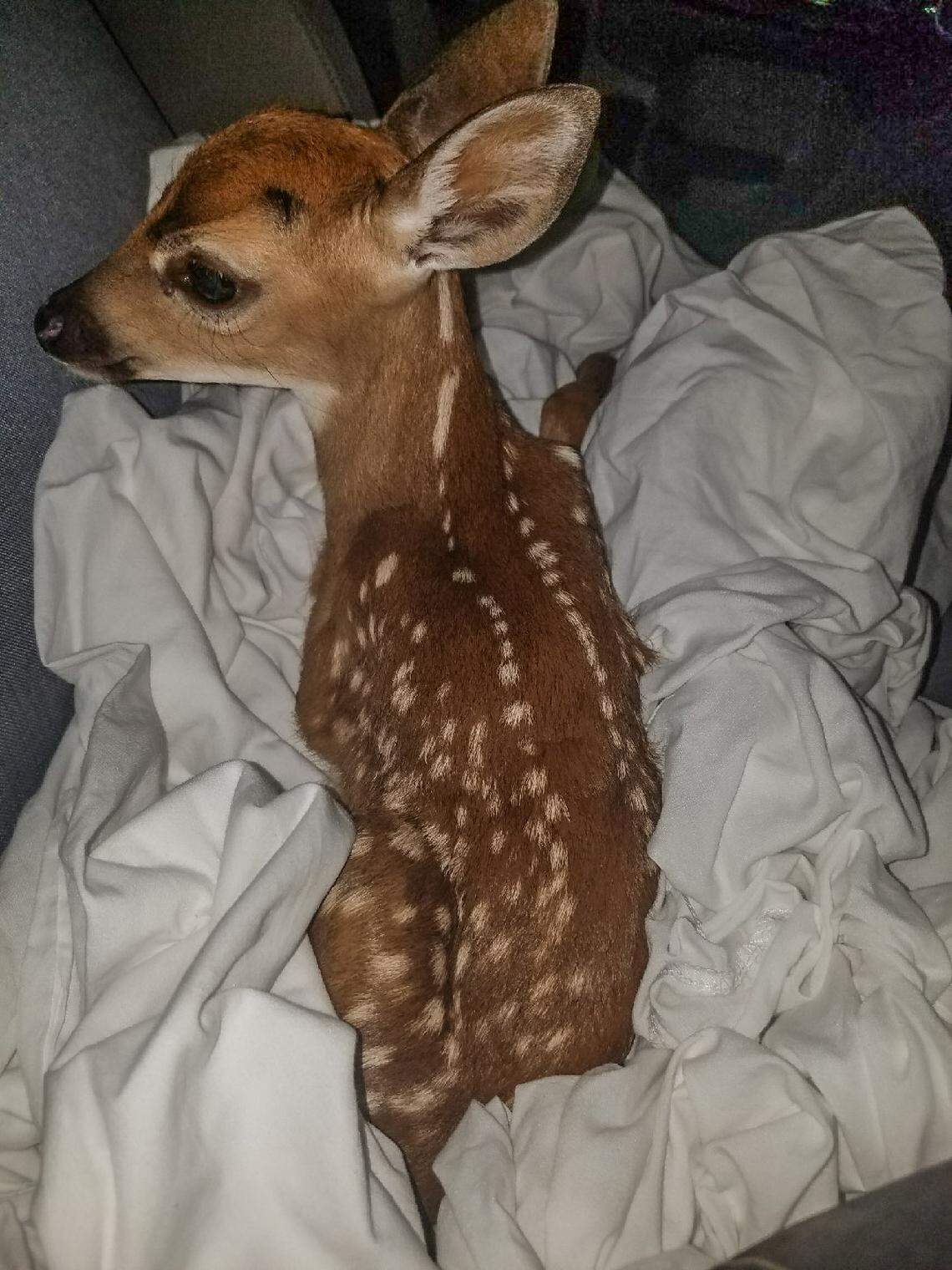
But they’re tough and the cold weather really doesn’t pose any threat to them, said Kristie Killam, a U.S. Fish and Wildlife Services ranger stationed at the Florida Keys National Wildlife Refuge in Big Pine.
“They are hardy, resilient creatures who have been here for thousands of years and lots of cold spells,” Killam said. “We don’t have any worries about their health and welfare due to cold snaps.”
The deer hang out in the open sun to stay warm, and their coats insulate them against cold temperatures, Killam said, noting the 2010 snap.
“We had a really extended cold spell in 2010 that caused extensive fish kills, but the key deer survived with no problems,” she said. “They are tough critters, so we won’t have to loan them our sweaters.”
This story was originally published January 30, 2019 at 7:00 AM.