
6 Cubans land in the Keys, a rare occurrence since the end of ‘wet-foot, dry-foot’
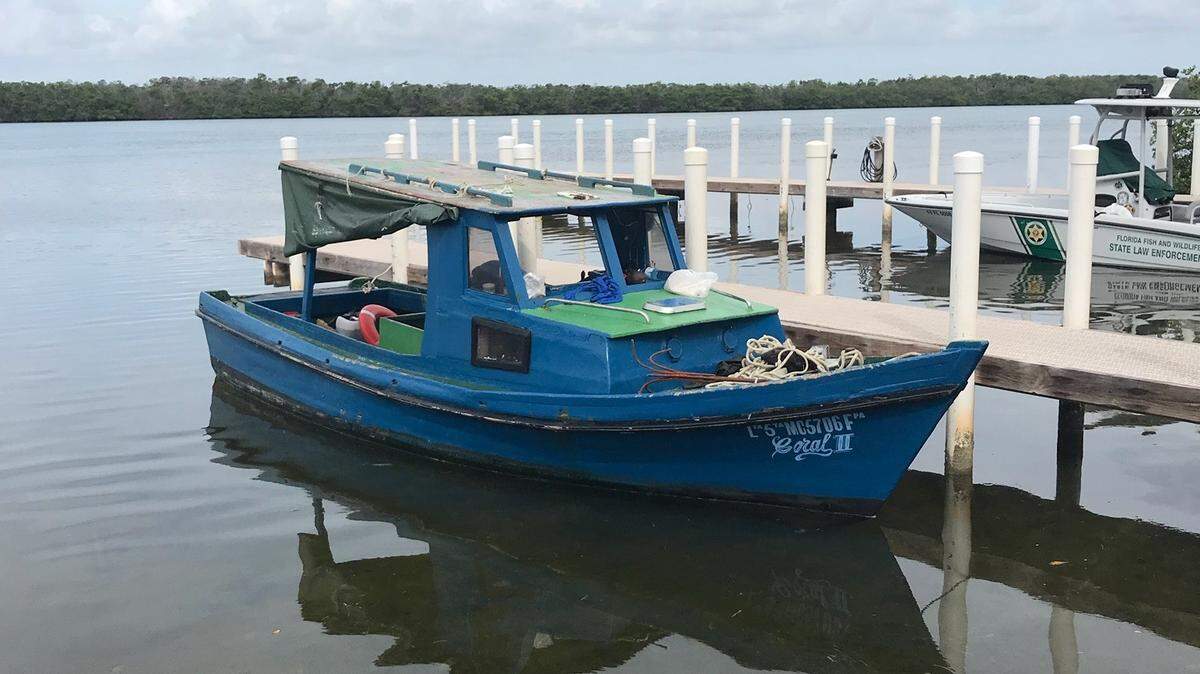
Monroe County Sheriff’s Office deputies found six Cuban men on shore near Whale Harbor in the Upper Florida Keys early Friday morning..
The men, who reported no medical issues, arrived in Islamorada between 4:15 am. and 4:30 a.m., Adam Linhardt, spokesman for the Sheriff’s Office, said.
Adam Hoffner, U.S. Border Patrol agent in charge in Marathon, said the men told agents they left Matanzas, Cuba about four days earlier. The Florida Fish and Wildlife Conservation Commission released a photo later Friday morning of the blue, wooden vessel on which the men arrived.
Since the Obama administration, in one of its last foreign policy decisions, ended “wet-foot, dry-foot,” which allowed Cubans reaching U.S. soil by sea to stay in the country, migration from the island nation 90 miles south of Key West slowed dramatically.
The men found Friday will likely be processed by the U.S. Border Patrol and sent back to Cuba by the Coast Guard. In the days of wet-foot, dry-foot, they would be able to apply for permanent U.S. residency a year after arrival.
Before the announcement to end the policy, South Florida was seeing multiple landings every week, sometimes daily.
Cubans correctly anticipated the policy, which mandated those caught en route were sent back, would end after the Obama administration began strengthening diplomatic relations with the communist Castro regime, ending their automatic refugee status.
The United States Coast Guard tracks migration numbers by fiscal years beginning Oct. 1. In fiscal year 2017, Cuban migration accounted for 44 percent of total migrants stopped at sea from countries including the Bahamas, Dominican Republic, Haiti and others. That is a 27-percent decrease from fiscal year 2016, according to the Coast Guard’s 2017 Annual Performance Report.
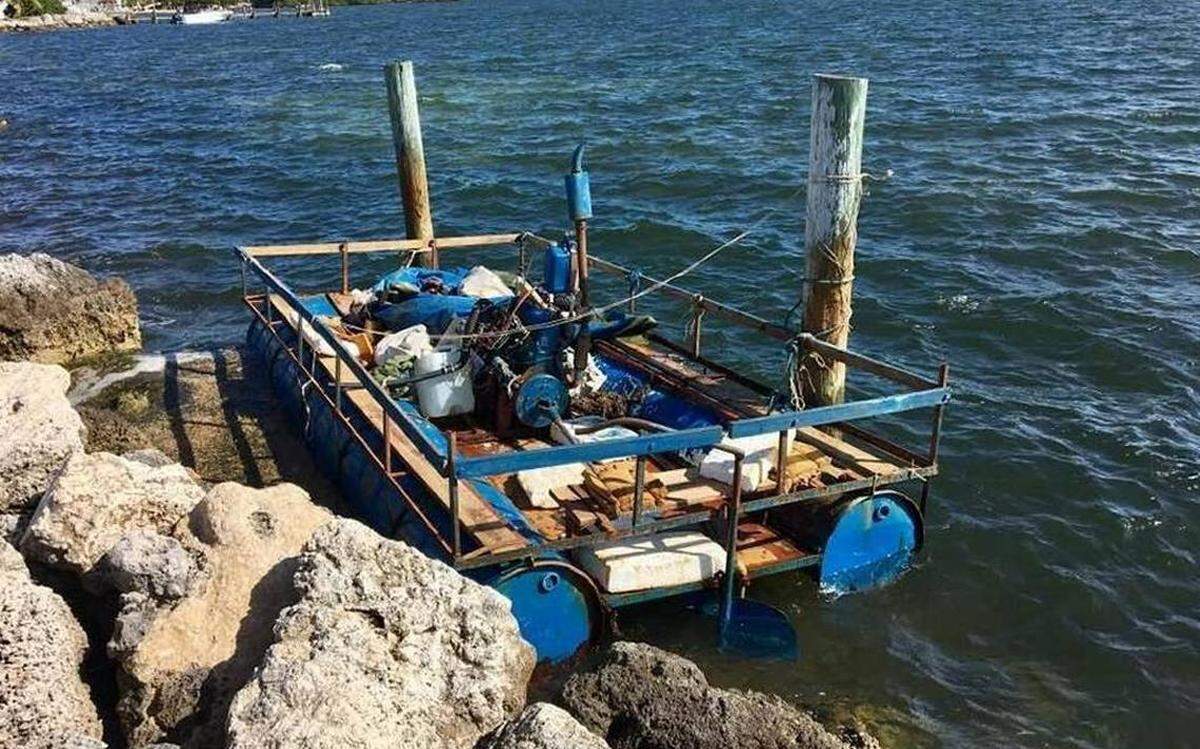
The last landing in the Keys was June 30 near Key West, Hoffner said. And, earlier this month, an off-duty Sheriff’s Office deputy boating with his friends rescued four men from Cuba who were clinging to a raft about 40 miles offshore in the Lower Keys.
“We continuously warn migrants of the dangers associated with traveling by sea while attempting to enter the United States illegally,” Hoffner said in an emailed statement. “During this time of year, migrants may be exposed to extreme tropical temperatures and will often suffer from the effects of dehydration.”
Follow David Goodhue on Twitter @DavidGoodhue
This story was originally published July 20, 2018 at 10:23 AM.