
This teacher taught me the stories of Blacks that weren’t written in the history books | Opinion
I’ve been thinking lately about Black History Month.
I have thought about the thousands, or maybe even the millions of Africans whose bodies have spent the last four or five centuries lining the bottom of the Atlantic Ocean. They died, or were killed, while on their way to a new country and a new way of life — called slavery.
As I think of the souls of my ancestors, I also think of the contributions they could have made, had they been given a chance to live and to flourish as human beings. Still, even terrible hardships, and the threat of death could not kill the creative spirit in many of the slaves.
When Dr. Carter G. Woodson first drew up the idea of celebrating the history of Black people, he did so because he saw how Blacks were underrepresented in the books and conversations that shaped American history.
So, in 1915, Woodson and Jesse E. Moorland founded the Association for the Study of Negro Life and History. The organization promoted the study of Black (then Negro) history as a discipline in schools. The idea was to celebrate the accomplishments of African Americans.
“If a race has no history, it has no worthwhile tradition. It becomes a negligible factor in the thought of the world and it stands in danger of being exterminated,” Woodson said at the time of establishing the association.
In 1926 Woodson, who had a master’s degree from the University of Chicago and a Ph.D. from Harvard, both in history, chose the second week in February as Negro History Month. Why February, the shortest month on the calendar?
Woodson chose February, and the second week of the month, because it encompassed the birthday of both Abraham Lincoln (Feb. 12) and Black abolitionist Frederick Douglass (Feb 14). In 1976, President Gerald Ford decreed Black History Month a national observance.
Teacher who taught us about Blacks’ accomplishments
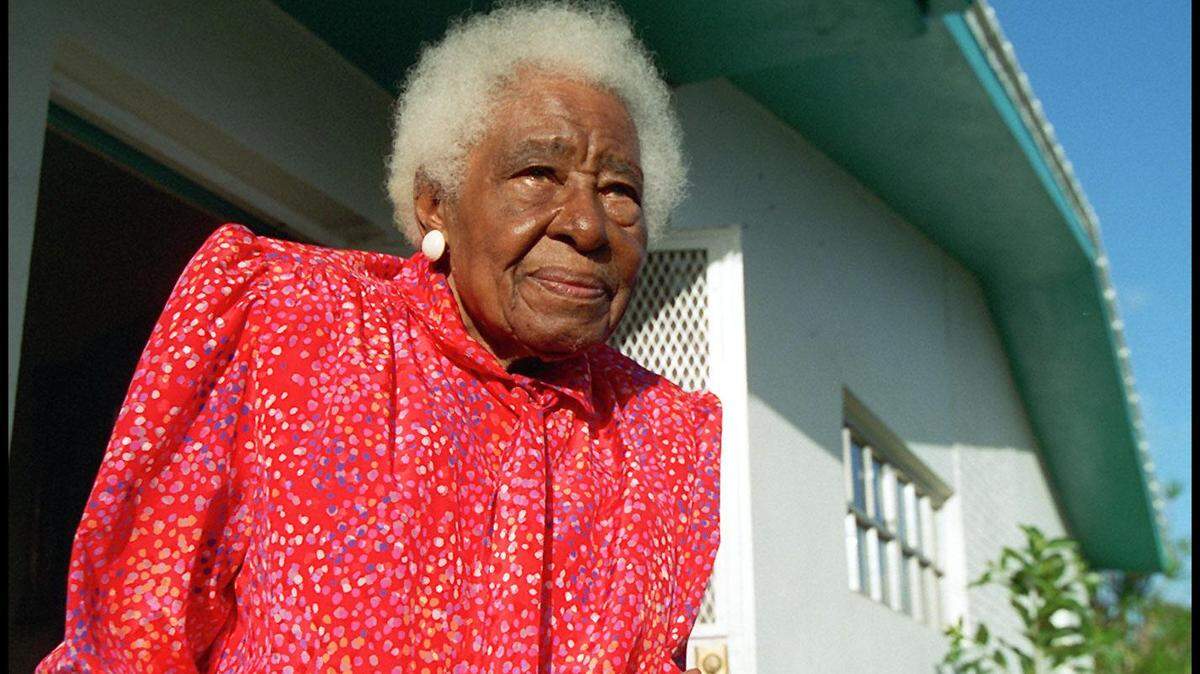
When I was growing up, attending Frederick Douglass Elementary in Overtown, we looked forward to the one week a year, when the late Eunice Liberty would put on programs about the accomplishments of Negroes in America. A stately woman with a silver streak in the front of her hair, Mrs. Liberty took great pains to teach us about our history, how we got here and what it was like back in our motherland Africa.
And if she knew of an African dignitary visiting our city, she made sure to find that person and get him or her to visit our school.
By the time I got to high school, my social studies and American history books had little information about our contributions to America. I remember reading about the Pilgrims and colonial times. But there was little, if any, information about Blacks except to say we were slaves.
So, if it had not been for teachers like Eunice Liberty, who thought we should grow up being proud of our heritage, I suppose many of us would have grown up believing what we saw in the Tarzan movies — that Africans were just dumb savages.
But because our dedicated Black teachers wanted us to have pride in ourselves, our heritage and our accomplishments in building this country, I learned what the American history books never taught us. It was because of them, and their diligent research, that I learned that slaves invented devices to help make their workload a bit lighter.
Yet, slaves could not get patents for their own inventions. Oftentimes, their slave owners tried to get the inventions patented under their names.
Such was the case of a slave named Ned, who in a documented case, invented a device called a cotton scraper. His owner — Oscar Stewart — tried unsuccessfully to get a patent in his name. He couldn’t because he was not the inventor.
Neither could Ned, because he was a slave. That didn’t stop Stewart from selling Ned’s idea, though, and becoming a rich man.
So when our teachers taught us about what it was like to be a slave, the story was not sugar coated. Slaves were overworked and underfed, we were taught, and often looked forward to slaughtering time.
It was then that the slaves discovered how to take the discarded parts of cows and pigs and made delicious meals for their nearly starving families. Some of those discarded parts, like the intestines of pigs (chitlins), and the tail of the cow (oxtails), have now become delicacies.
Black history is not only the story about slaves, how we got here or what we ate. Black history is simply American history, the story of all of us.
First Black millionaires
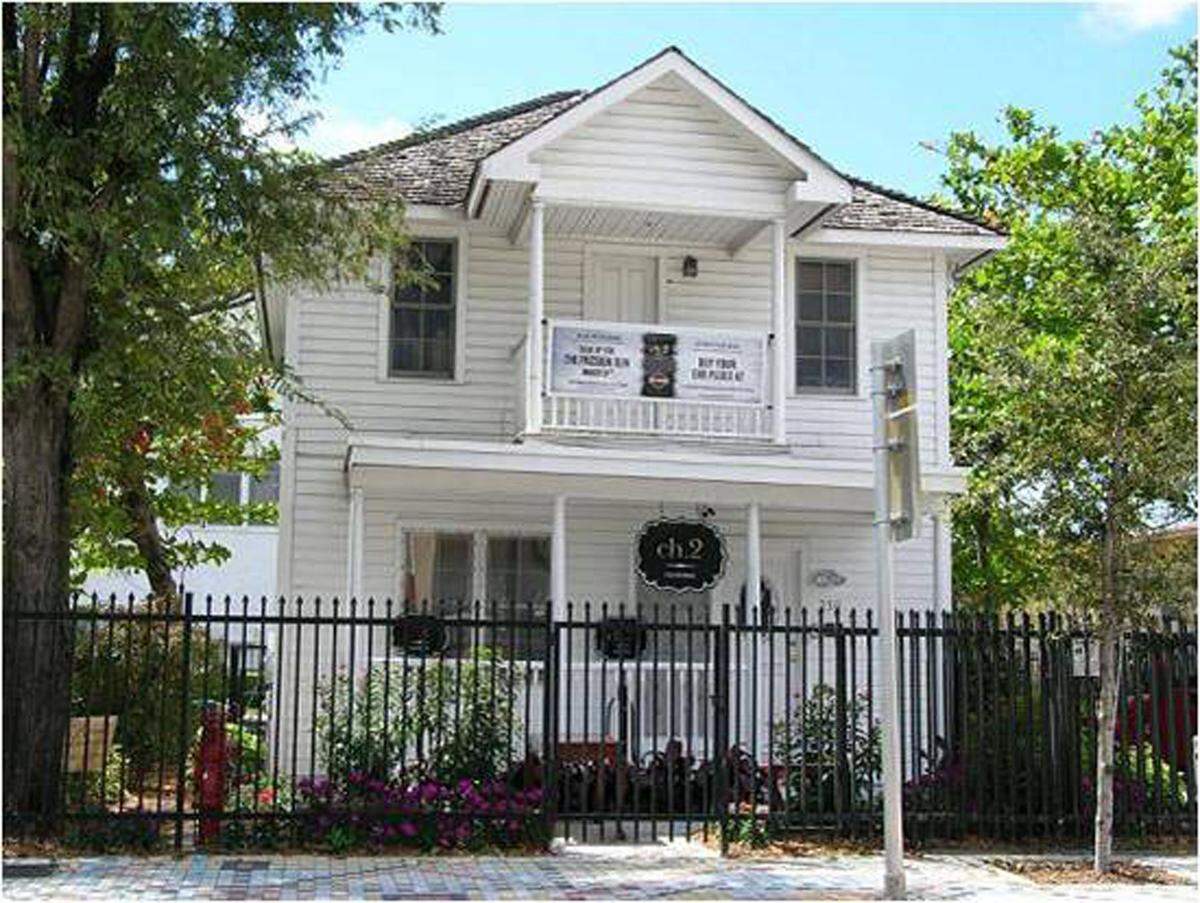
But Black history also tells the stories of post-slavery Black businessmen and women who became rich from their inventions — men and women like Madame C. J. Walker, America’s first Black woman millionaire, and our very own D. A. Dorsey, Miami’s first known Black millionaire.
So, celebrating Black history introduces us to those who don’t know us. And while Black history is American history, it tells the unique story of African Americans.
It is a story that has been kept under wraps far too long. That’s why I get a little annoyed whenever someone asks, “Why do we have to celebrate Black history?”
We celebrate Black history because we are a part of this country. We celebrate the lives of those African American men and women who loved this country so much that they went to war to protect it, even if they lost their lives.
They did so, knowing they would come home to the same Jim Crowism as when they left. We need to celebrate our people because if we don’t, who will?
We also celebrate to show the world that we — Black people — matter as human beings. That we love our heritage so much that we will always hold our heads high at the very mention of Africa, and how we have survived on these shores.
Finally, we celebrate because we are proud Americans. And while we don’t always like the way we are treated here, we love our country.
We will continue to roll up our sleeves and work shoulder to shoulder with every other freedom-loving American so that one day we will be able to sing truthfully,“... My country, ‘tis of thee, Sweet land of liberty, of thee I sing...”
This story was originally published February 12, 2021 at 6:00 AM.