Hollywood historic board rejects design for Mikvah after heated meeting
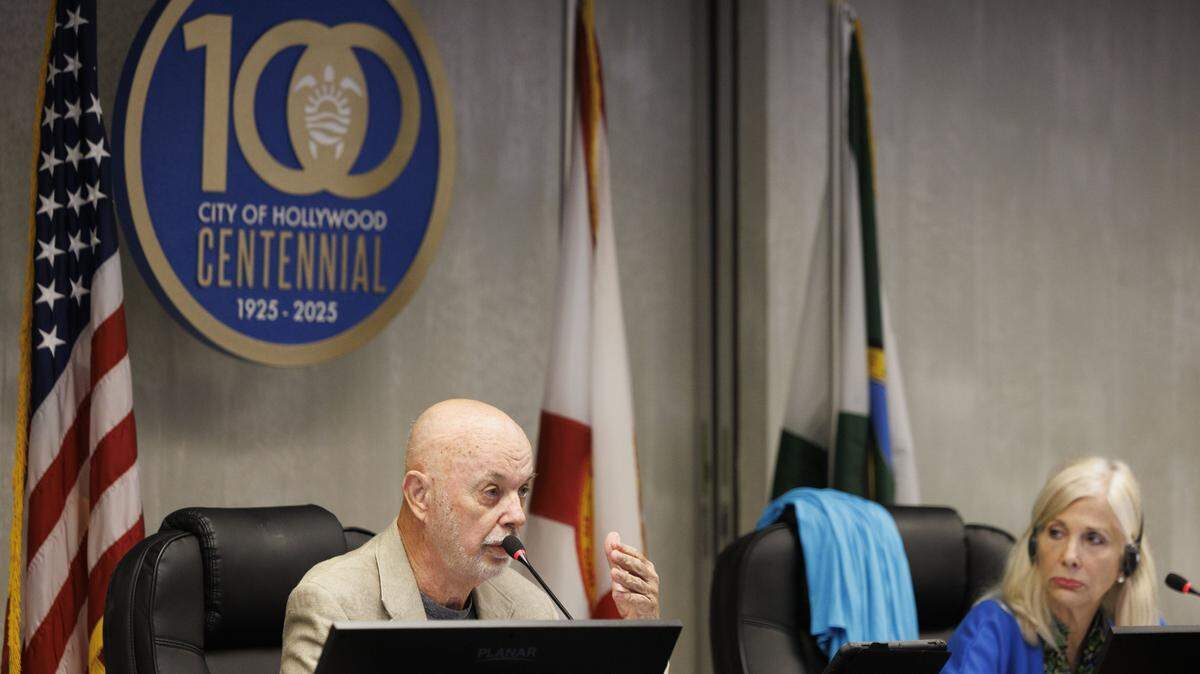
The architect behind a proposed Jewish ritual bath facility in Hollywood was ordered Tuesday to redesign the project after the city’s Historic Preservation Board said its contemporary look didn’t fit the neighborhood’s historic character. The decision leaves the Mikvah — already approved by the city’s planning department — in limbo until at least February.
The board’s vote capped a tense, hours-long meeting packed with more than 60 Hollywood Lakes residents, many of whom have spent months fighting the proposed project at 1434 Monroe Street.
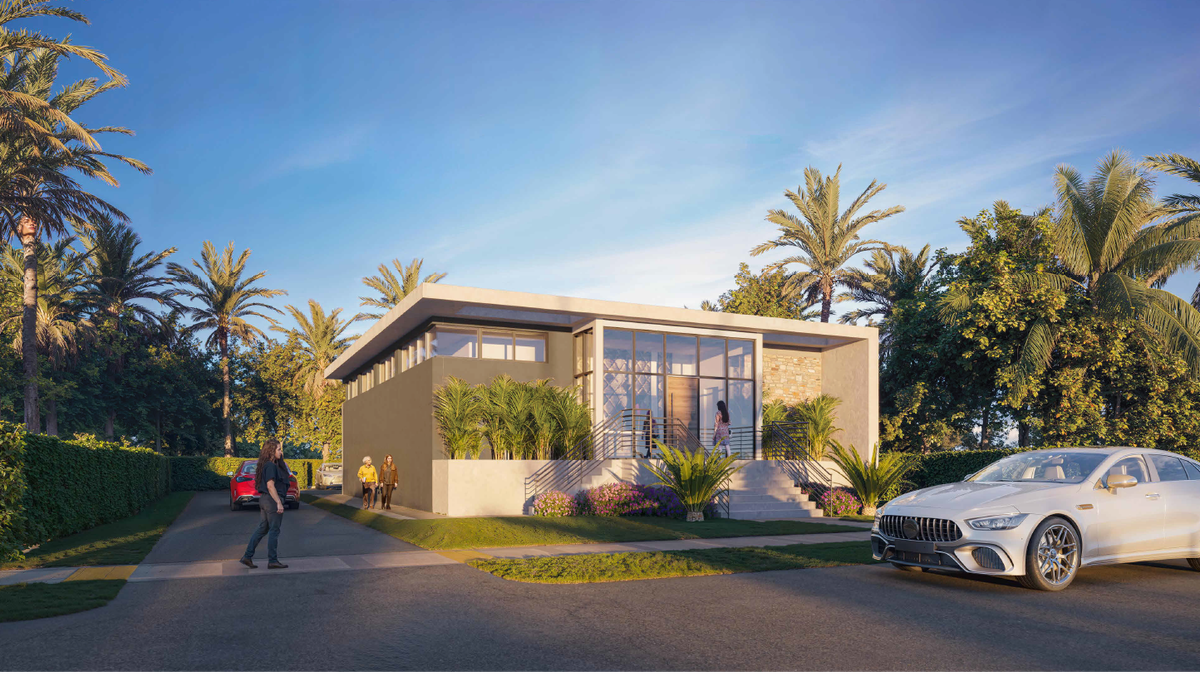
The project calls for demolishing a 1949 single-family home and building a 2,500-square-foot contemporary building to be used as a Mikvah, a Jewish ritual pool used mainly by married women for full-body immersion to achieve spiritual purity.
Residents of Hollywood Lakes, a historic, affluent neighborhood in Hollywood, have been pushing back on the project since it was proposed over the summer, organizing a petition with over 1,400 signatures, emails to city officials and social media campaigns in an attempt to stop it. Residents argue that the modern design of the building does not fit with the neighborhood’s historic atmosphere and that allowing it will set a precedent to allow more non-residential buildings to pop up.
Despite the wave of opposition, the city’s planning department issued a report recommending full approval of the zoning exception last month, along with the demolition and construction of a non-residential building and parking lot with the condition to include a hold harmless agreement — which protects the city from lawsuits.
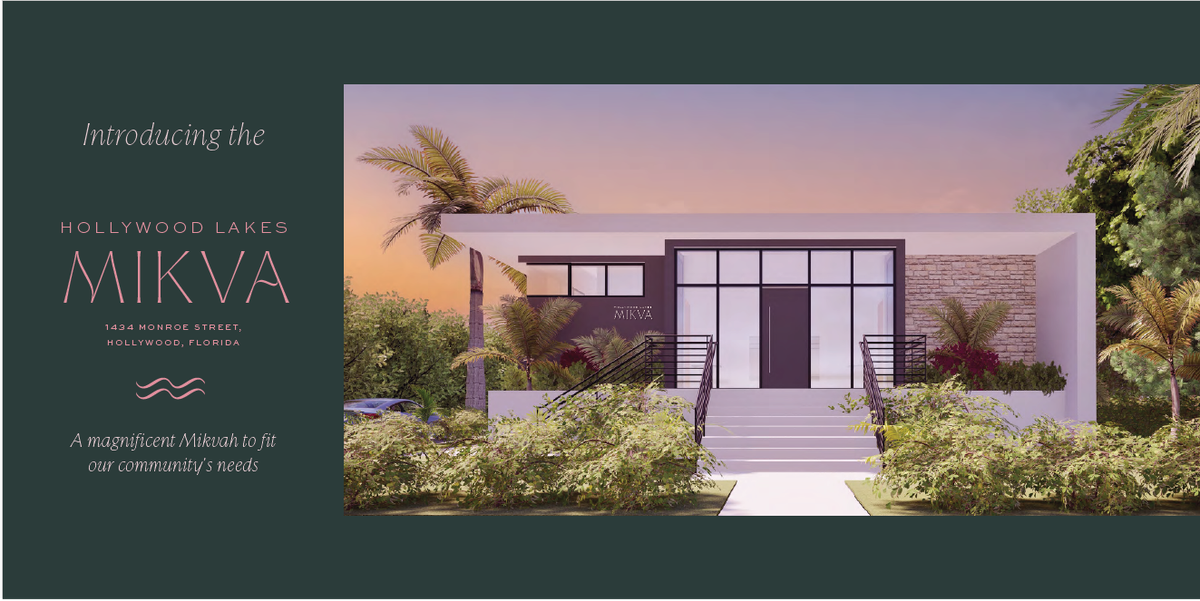
The Historic Preservation Board is the last hurdle for the Mikvah project, but after a passionate public comment section and back-and-forth between the preservation board and planning staff, the project is still in up in the air.
Residents still pushing back
Despite the planning board greenlighting the project last month, frustration among Hollywood Lakes residents dominated the meeting.
City planning staff repeatedly clarified that the role of the historic preservation board was to approve or deny the design of the project, not the project itself. They explained that they found the project to be “consistent” with the “rhythm” of the neighborhood and that the Mikvah would be used by appointment only and that the city did not find the project to be a detriment to traffic or safety in the neighborhood.
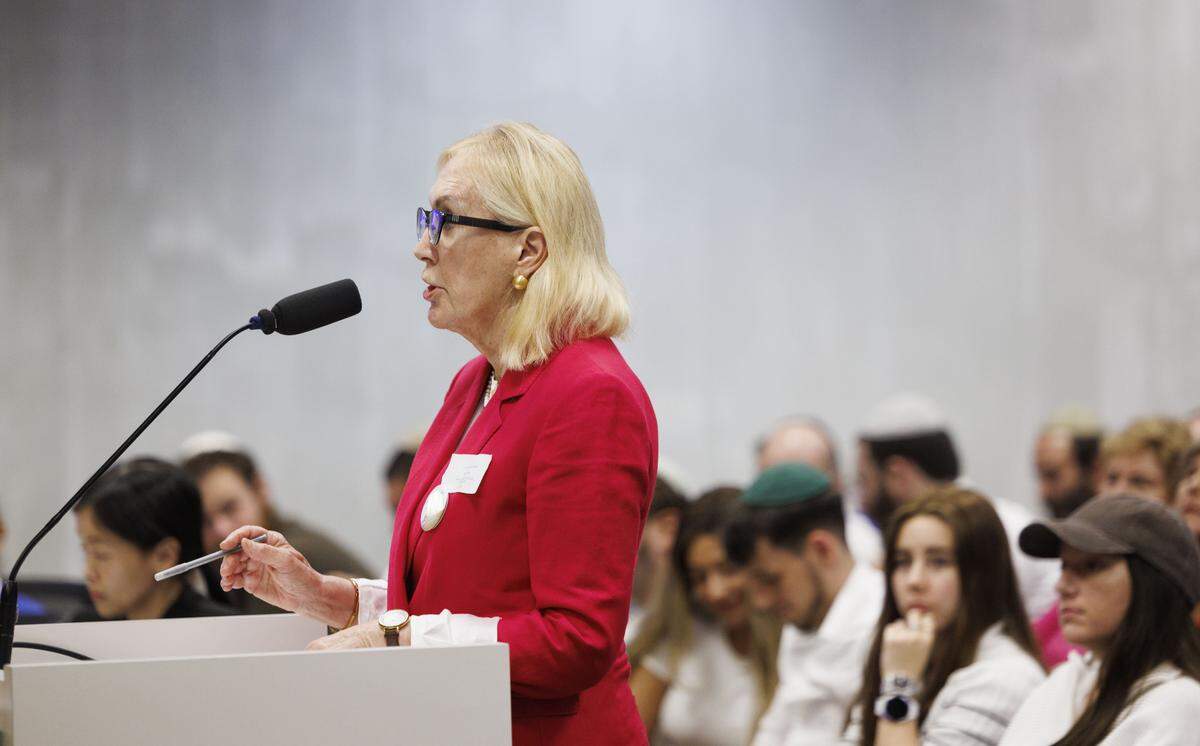
But the residents who showed up to speak against the project, many wearing red, pushed back on the planning board’s decision, voicing a slew of concerns about parking, traffic congestion and zoning changes and design incompatibility.
“I don’t care how you slice it, you’re putting a commercial building in a residential neighborhood,” said 41-year resident Ann Ralston. Others argued that the project “sets a precedent” for future zoning exemptions. Some Jewish residents countered that the opposition felt unwelcoming toward observant neighbors, though several opponents insisted their concerns were about zoning, not religion.
“There’s not really a religious issue. Everybody is entitled to their own religious beliefs, if a Mikvah is part of that, then let them have the Mikvah. But I don’t think you should allow that issue to allow parties to just not obey the zoning laws,” said Adam Trop, an attorney and long-time resident of Hollywood Lakes.
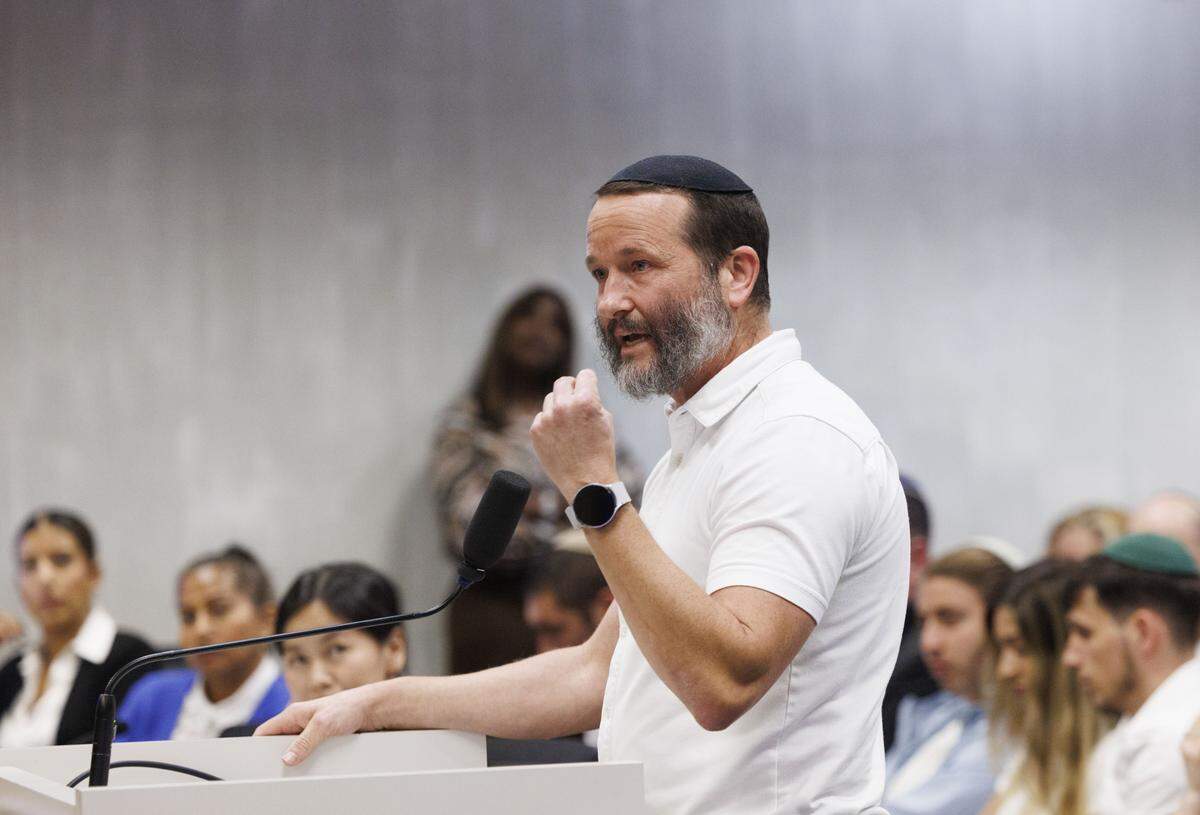
Rabbi Mendy Tennenhaus, founder of the Chabad of N.E. Hollywood & Dania, argued that some neighbors in opposition are “fighting or opposing something that they really, truly didn’t understand.” His wife, Endy, pushed back on the claim that the Mikvah would bring outsiders into the neighborhood. The project application states that the Mikvah would serve more than 470 families in the community and only by appointment.
“It’s the quietest neighbor you can have. It’s not something that’s going to ruin the residential neighborhood. It’s just going to be a service for the people that currently live here,” she said.
Greg Levine, a new resident of Hollywood, stressed the importance of the Mikvah to Jewish life.
“It’s very important for husbands and wives, especially because we believe in a separation during that special time of the month. It’s part of our history. It’s part of our culture,” he said.
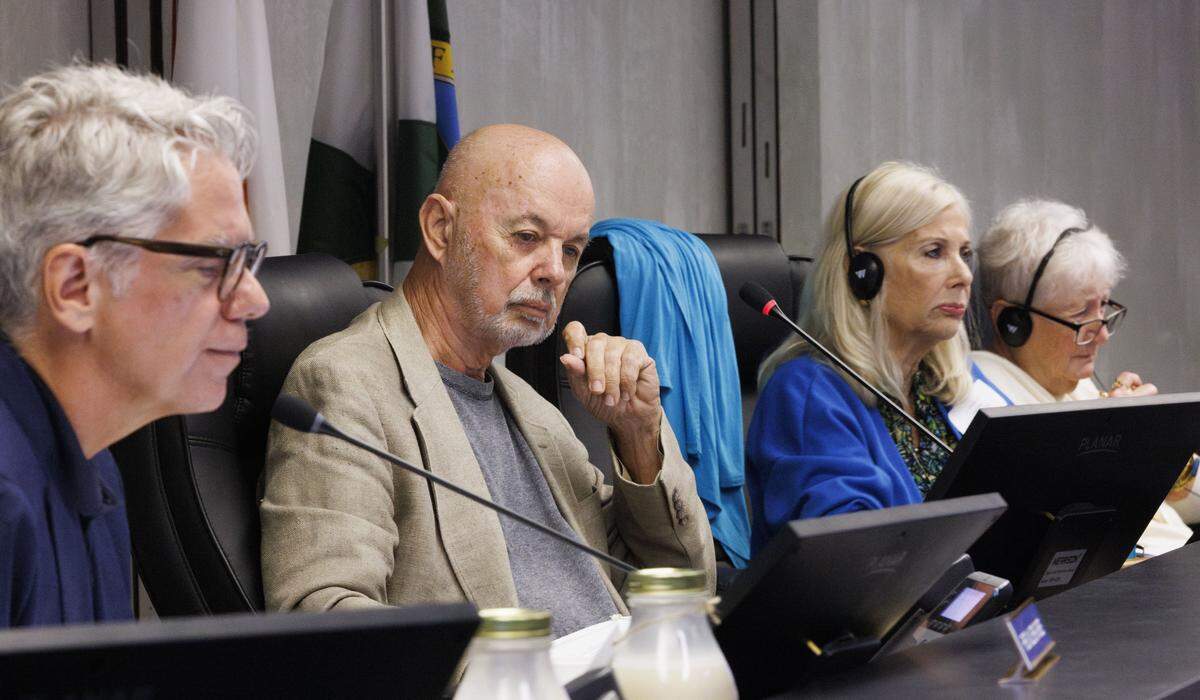
But several board members agreed the location was not ideal.
“It’s a tiny street. A tight residential area. It’s absolutely the wrong thing. It’s not that anyone objects to a Mikvah. In this case, it’s the wrong place,” said board member, Fred Villiers-Furze.
Departure from the character of the neighborhood
Members of the board told the architect for the project that he should take resident’s concerns about the project design seriously. Many argued the modern design would not align with the style of the neighborhood, an area known for its historic homes which are a mix of different architectural styles, from Spanish Colonial to Art Deco.
“In this case, the residents have been pretty vocal about the character and the nature of the existing home and what you’re looking to change it to,” said Kathleen DiBonna, board member and representative of the Hollywood Historical Society.
“You have to try to work with your neighborhood,” she said. “You’re going to have to try to live within certain guidelines of what I think the neighborhood could accept.”

Siobhan McLaughlin, long time resident and community activist, urged the board to protect the historic nature of Hollywood’s oldest neighborhood, which was built in the 1920s by founder and developed Joseph Young.
Architect Joseph Kaller argued that the existing ranch-style home is not historically significant and that the new design offers privacy and flood-resilience features, including lush landscaping and a retaining wall. But critics said his proposed building “looks like a 22nd-century office building” and is incompatible with the district’s character.
“It is a complete departure from the character of the neighborhood,” said Trop.
Board members ultimately told the architect to redesign the Mikvah to better fit the style of the neighborhood with input from the community. The next Historic Preservation Board meeting will be held on Feb. 10.
This story was produced with financial support from Trish and Dan Bell and donors in South Florida’s Jewish and Muslim communities, including Kahlid and Diana Mirza and the Mohsin and Fauzi Jaffer Foundation, in partnership with Journalism Funding Partners. The Miami Herald maintains full editorial control of this work.
This story was originally published December 10, 2025 at 3:47 PM.