
Coast Guard looking for source of oily tar balls that washed up on Fort Lauderdale Beach
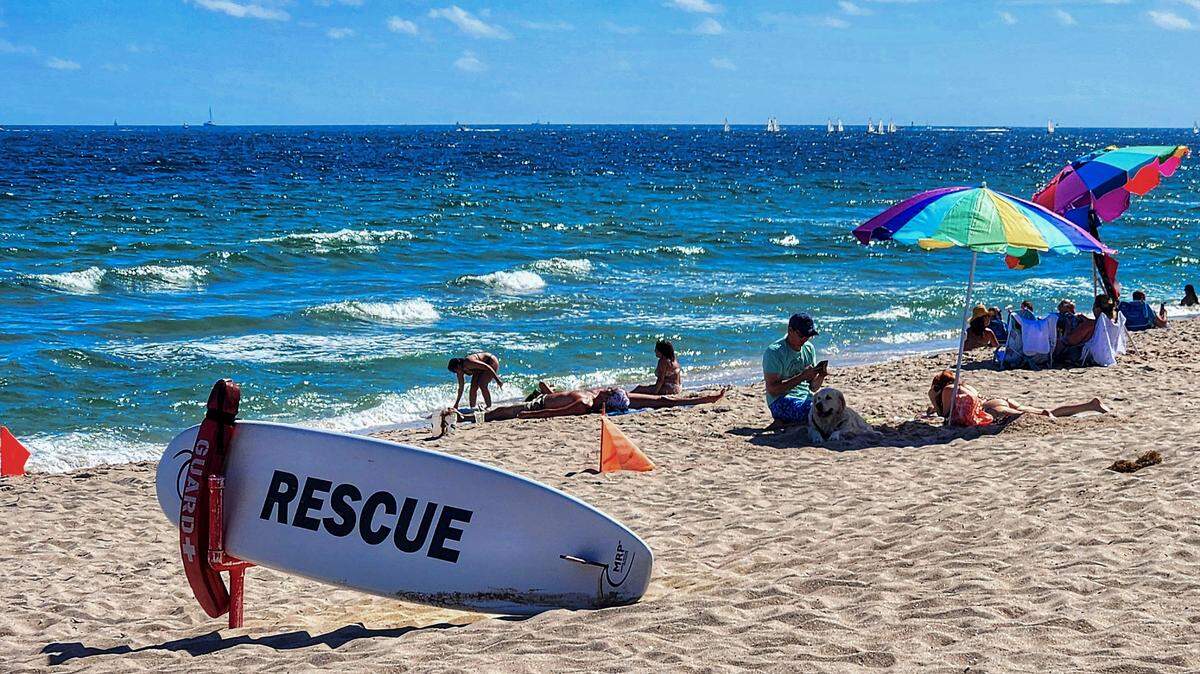
Beachgoers from Palm Beach to Broward counties had their Saturday beach day interrupted when tar balls started washing up along the shoreline, possibly due to an oil spill from a freighter or cruise ship, officials say.
The Coast Guard is working with the Department of Environmental Protection and state partners in responding to reports of tar balls washing ashore on multiple beaches in Broward County, including Fort Lauderdale, Pompano Beach, and Deerfield Beach, said Petty Officer Diana Sherbs, spokeswoman for the Coast Guard.
“A Coast Guard Air Station Miami HC-144 crew is conducting an overflight, and Station Fort Lauderdale has sent out a boat crew to assess the scene and identify a source,” Sherbs said in an email to the Miami Herald.
At 7:05 p.m. Saturday, the Coast Guard’s Southeast District posted to social media that “Coast Guard air and surface crews completed searches from Palm beach to Port Everglades for the source of the tar balls. The source remains unknown. Further assessment will continue at first light with our partner agencies.”
Saturday, a 911 call came in at around 9 a.m. from a beachgoer near Las Olas Boulevard to report the tar, said Fort Lauderdale Fire Rescue spokesman Frank Guzman. Lifeguards started their shift at 9:15 a.m. and immediately started stepping in the tar clumps, he added.
Shortly after, Fort Lauderdale Fire Rescue decided to close parts of their beaches for swimming.
The beach closure was originally from lifeguard stations 1 to 16, said Fort Lauderdale Mayor Dean Trantalis. But the closure was later reduced to just stations 1, at Port Everglades, through 10 at Riomar Street. Fort Lauderdale Beach has 20 lifeguard stations so about half of their beaches were closed for swimming.
Beaches north of that area remain open to swimmers but are being closely monitored.
Trantalis believes the spill possibly came from a freighter or cruise ship, though that has not been confirmed.
“We feel it’s a criminal act to cause toxic materials to be released into the public domain,” Trantalis said. “The Coast Guard is out there trying to figure out who the culprit is.”
The beaches are only closed for swimming, but people can still enjoy themselves on the sand, he said. He added that the beaches are “packed” with people this Saturday.
The tar balls have also popped up on Hollywood Beach, which remains open for swimming, said city spokeswoman Joann Hussey.
What are tar balls?
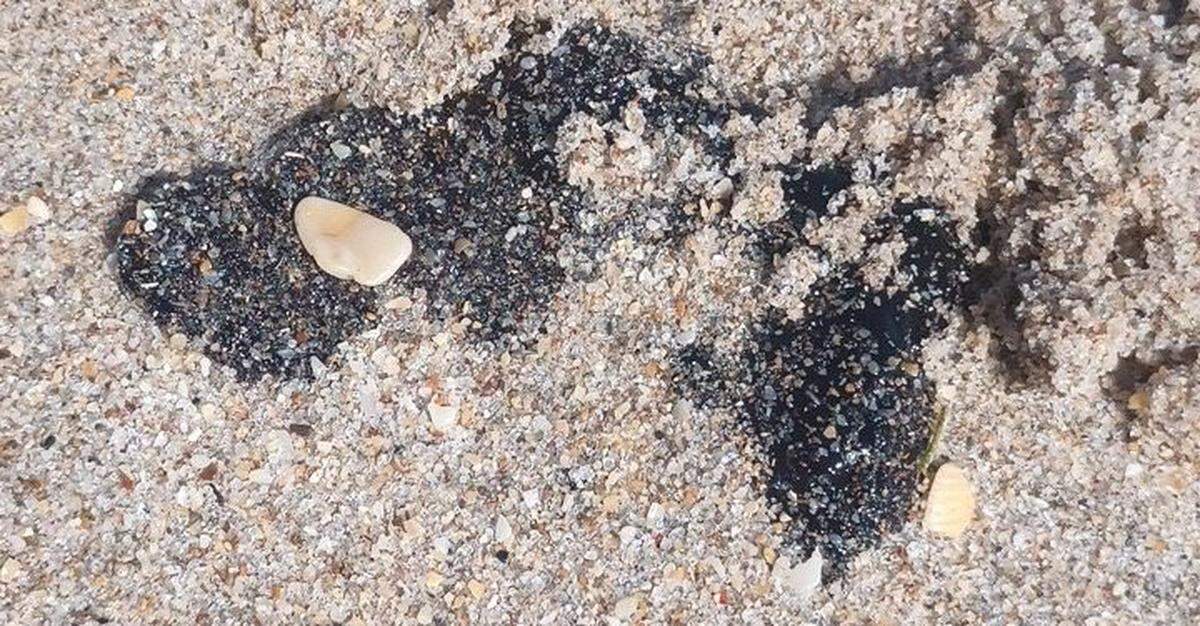
Many people were stepping on the oily tar balls on Fort Lauderdale’s beach. But what are they?
According to the Florida Department of Environmental Protection, tar balls are semi-solid clumps of weathered oil mixed with debris, ranging in size from a pinhead up to about 30 centimeters.
They primarily originate from offshore petroleum activities—such as production, drilling, and marine transportation discharges—as well as natural seepage. The east coast of Florida sees more tar balls due to current patterns, especially the loop current, which transports these weathered oil fragments onto the shoreline.
While they are mostly a nuisance rather than a health hazard, simple cleaning methods like rinsing with clean water.
This story was originally published February 8, 2025 at 3:28 PM.