Florida man died a painful death after eating oysters. Are there precautions you should take?
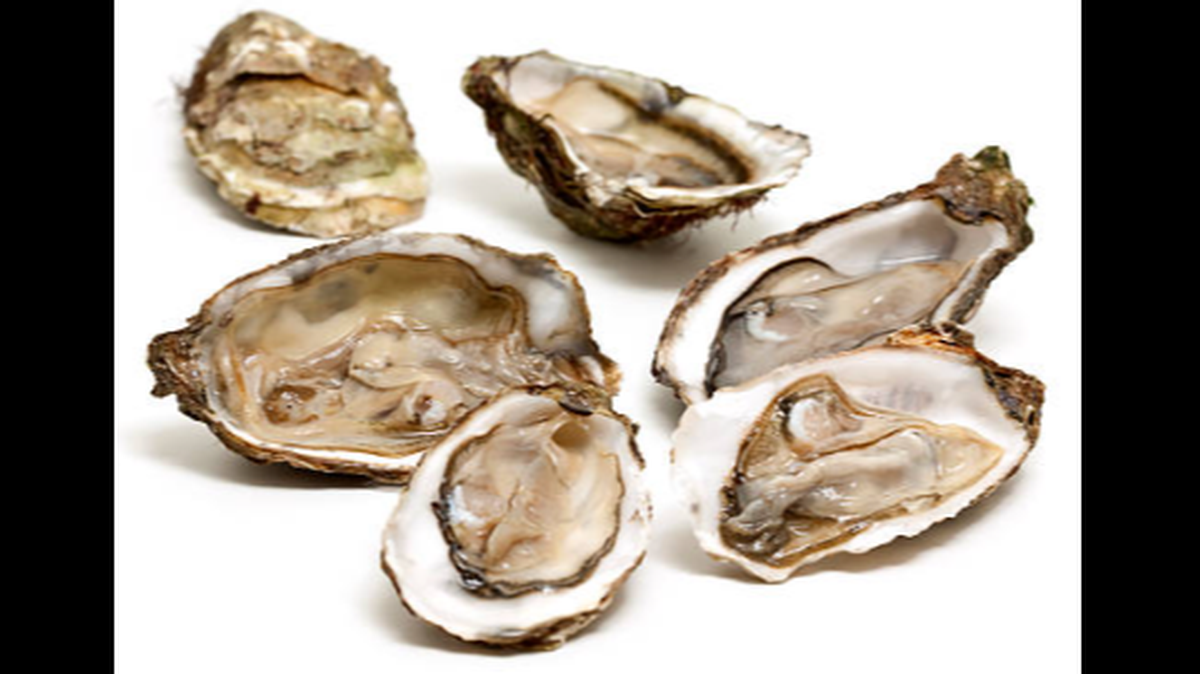
Late last month, a Broward County man suffered an agonizing death days after eating raw oysters at a popular Dania Beach seafood restaurant.
The Broward County Medical Examiner and Trauma Service Office report did not conclude a cause of death, but said in a July 31 report that Roger Pinckney, 44, was infected with vibrio vulnificus, a bacteria that lives in coastal waters and typically sickens people through the consumption of raw shellfish or by entering an open wound, according to the U.S. Centers for Disease Control and Prevention.
According to the medical examiner’s report, the Davie man was in a great deal of pain when he was brought to Memorial Pembroke Hospital on July 23. His family said he had just eaten raw oysters during a birthday celebration at the Rustic Inn, a well-known South Florida restaurant that’s been in business on a canal near Fort Lauderdale-Hollywood International Airport since 1959.
The restaurant could not be immediately reached for comment Friday, but its manager, Gary Oreal, told the South Florida Sun Sentinel this week that no one has ever been sickened to that degree in the restaurant’s history, during which it had served “a couple of billion oysters.”
Oreal also said that Florida Department of Health inspectors checked out the Rustic Inn’s oyster inventory the day after Pinckney became ill and the restaurant “passed with flying colors and we were allowed to continue to sell oysters.”
Pinckney’s family hired attorneys after his death. One of his lawyers, Scott Schlesinger, declined to comment on the matter.
“It’s brand new, and we’re investigating it,”Schlesinger told the Miami Herald Friday.
Pinckney’s condition continued to deteriorate, and he was transferred to Memorial Regional Hospital in Hollywood the next day for emergency surgery to relieve swelling. He was experiencing necrotizing fasciitis, or flesh-eating disease, because of the bacteria, according to the ME’s report.
While he was awake, Pinckney was in “an extreme amount of pain” and had a rash on both legs, the report states. Doctors intubated him, and he remained in that state for the remaining days of his life.
Two days later, his sepsis, or his body’s response to the infection, became so severe that doctors amputated one of his legs above the knee, according to the report. Pinckney then went into multiple organ failure and had to be placed on continuous dialysis.
The next day, July 31, Pinckney began to show signs of gastrointestinal bleeding, and his family signed a “do-not-resuscitate” form. Care was withdrawn at 1:45 p.m., and eight minutes later, a nurse pronounced him dead, the report states.
Pinckney’s death was the second fatality this summer in Florida linked to a vibrio infection from eating raw oysters. On Aug. 3, Rodney Jackson, of Pensacola, died from a bacterial infection he contracted after eating oysters he bought from a local seafood market, the Pensacola News Journal reported.
In both cases, the oysters in question were harvested from Louisiana.
What is vibrio vulnificus, and who’s most at risk
According to the CDC, the vibrio bacteria causes about 80,000 illnesses and kills about 100 people a year. Most infections occur through eating raw seafood or through a wound exposed to salt or brackish water (a mix of salt and fresh water).
Although anyone can be exposed to the vibrio bacteria, most people are able to withstand it with few complications and recover within a few days. Those with compromised immune systems or liver problems, however, are at particular risk of becoming seriously ill or dying from vibriosis, the CDC says.
Wesley Farr, public health lecturer at the University of West Florida, said other people prone to serious illness after being exposed to vibrio bacteria include those with cancer, diabetes, HIV or a blood disorder known as thalassemia.
Those receiving immune-supression therapy for the treatment of diseases and those taking medication to reduce stomach acid should also be particularly cautious about eating raw shellfish, Farr said.
About one in five people infected with the type of vibrio bacteria that Pinckney caught — vibrio vulnificus — die, sometimes within one or two days after infection, according to the CDC.
Pinckney had several drugs in his system when he was hospitalized, including cocaine, fentanyl, opiates, oxycodone and cannabis, according to the medical examiner’s report, which did not mention if those substances contributed to his condition deteriorating or if he had other underlying conditions.
Most cases of vibrio infection happen between May and October when the water is warmer. Therefore, the “only months with R” rule “is a fairly good guideline” to consider when deciding a safe time to eat raw shellfish, with a significant caveat Farr said.
“However, the risk of vibriosis is higher during May through October. September and October are the exceptions to the months with R rule,” he said.
CDC advice on eating oysters
Regardless of one’s vulnerability to serious illness after being exposed to vibrio bacteria, the CDC recommends everyone take precautions to avoid exposure:
“To reduce your chance of getting vibriosis, don’t eat raw or undercooked shellfish, such as oysters. If you have a wound (including from a recent surgery, piercing, or tattoo), avoid contact with salt water or brackish water or cover the wound with a waterproof bandage if there’s a possibility it could come into contact with salt water or brackish water, raw seafood, or raw seafood juices.”
This story was originally published August 19, 2022 at 5:44 PM.