
The Children’s Trust: Tips on how to support your kids in the face of disturbing world conflict

Considering recent and ongoing conflicts in various parts of the world, we are all exposed to disturbing realities, images and information through multiple media — and our kids are no exception. It may leave us not knowing exactly what to do. Watching the suffering of others unfold may lead to increased levels of stress, anxiety and even depression among our kids, so parents and caregivers must address the issue rather than leave our children to try and process these difficult circumstances by themselves.
Parents need to be aware of what their children hear from friends, social media and other sources and how they are affected. To the degree possible, protect kids from potentially upsetting images that cannot be unseen, by monitoring media sources, content and time online.
We all need to take media breaks to reduce exposure. Make sure your kids’ information sources are age-appropriate. And teach them healthy skepticism to help sort out facts and opinions and evaluate the accuracy of their news sources. For kids under 8, the goal is to prevent exposure to graphic details of traumatic current events, since young children likely will not fully understand and process such incidents.
Open the conversation
Avoiding this difficult topic or waiting for your children to bring it up may be tempting, but parents should open the door. Start by making sure you are informed about the basic facts from credible news sources so that you can answer questions. Identify when you can devote all your attention to your kids and ensure that your approach is tailored to your children’s age and maturity.
Ask open-ended questions like: What have you heard about what’s going on in the world? What do you think about it? What are you worried about? What questions do you have? Give them time to respond. Actively listen and show that you have heard and understand by reflecting what you heard; do not minimize or dismiss their feelings. Let them talk more than you do.
Normalize that violence is upsetting; that it is hard for anyone to hear about children and families being hurt or killed. Emphasize that you are there to help them through it, whether they feel afraid, worried, angry or even guilty. For informational responses, keep things simple. Answer what they ask, but there is no need for extensive explanations in many cases. Younger children most likely will not need much detail.
Follow your child’s lead on how much they are impacted and what they want to know. Keep the communication lines open so your kids know that they can continue the discussion when they have more questions or concerns. It’s OK if you don’t have all the answers.
Supporting effective coping
Let children and teens know they are safe, loved and supported by you and other adults around them. If they are concerned for their own safety, reassure them that they are safe. Spend time together doing something active and enjoyable like games, sports or storytelling. Share lots of hugs and high-fives if your child likes them.
Even if you are feeling pessimistic, share an optimism with your kids that things can get better. Your kids will look to you for signs of how to handle things. Take prosocial actions together as a family to participate in community support, humanitarian and relief efforts.
News of world violence may be especially challenging for children and youth with a personal history of trauma or who live in communities that experience higher rates of violence. Give them extra care and stay close and connected. If you or your child are experiencing more severe emotional or physical reactions to this world tragedy and violence, such as anxiety, trouble sleeping or focusing, reach out for help from your child’s school, childcare provider or pediatrician. You can also call the Trust-funded 211 Helpline or visit 211Miami.org for local health and social service referrals.
The Children’s Trust also provides free parent workshops across the county as part of its Parent Club that offers more tools caregivers can use to support their children. Visit TheChildrensTrust.org/ParentClub to sign up for a free workshop near you.
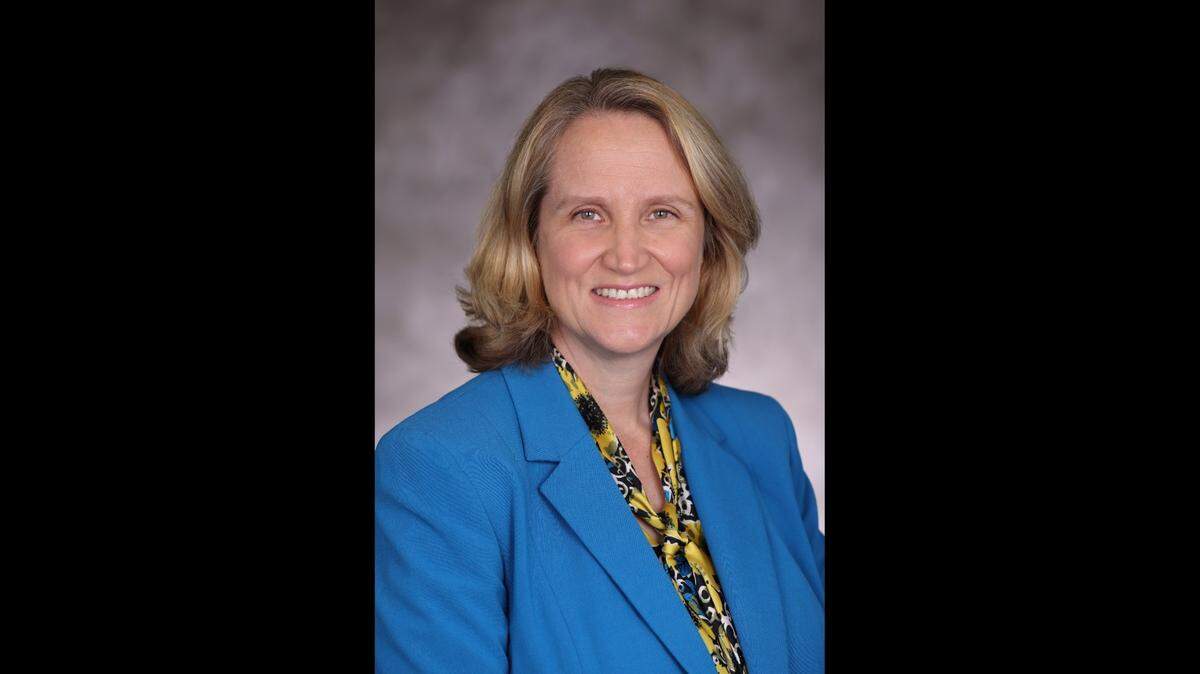
K. Lori Hanson, Ph.D., chief of research, evaluation and strategic planning at The Children’s Trust, has her doctorate in clinical psychology and more than 20 years’ experience related to family and community supports for child and youth well-being.