
Response to negative TV news report by HOA shows how it’s done | Opinion
A San Antonio, Texas, homeowner’s car was wrongfully towed recently by her HOA, which had previously indicated the vehicle would be allowed to be parked temporarily at the spot it was occupying. The homeowner responded by reporting the incident to her favorite local TV news station.
“We looked into the claim,” begins the story from KENS 5, the city’s CBS affiliate. Jennifer Holmquist tells the station her son’s car was suddenly gone from their driveway, and they were about to report it stolen when they learned it had been towed by the Mountain Lodge Homeowner’s Association with no advance warning.
“Nothing on the door, no phone call, no email,” she complains to the reporter. She also bemoans that she was told by the towing company it would cost $300 to get the car back.
In similar situations of community association disputes across the country, what typically follows is an account of how the reporter attempted to get a response from the association, but none was forthcoming. In some cases, the journalists receive a written response from the association’s attorney that defends its actions and holds firm that they were in accordance with the community’s policies and regulations.
However, when the acts taken by an association are in error, simple no comment responses or those focusing on community policies and regulations may not be the best position to take. Such cases highlight the importance of a well thought out response. In this situation, it was verified that the removal of the vehicle on the community’s behalf was the result of a miscommunication with the HOA’s towing company, so the association and its board of directors had a decision to make.
To their credit, the HOA’s directors and their legal counsel moved quickly to take the best possible approach, and it is very much reflected in the station’s report.
“The towing is the result of miscommunication to the individual that tagged the vehicle and he was unaware of the moratorium on enforcement. Once the board was notified the car had been mistakenly towed, the board ordered its return at no expense to the owner or the association,” reads its written statement from its attorney provided to the reporter.
In fact, the full statement goes on to include some background and context, and it states the association was also willing to pay for repairs related to the towed vehicle’s brake maintenance light having turned on. It reads:
“The present situation dates back to February 2020. Since that date, there have been numerous courtesy and violation letters (by first class and certified mail) sent to Mr. and Mrs. Holmquist advising of the ongoing violations and of the necessity to make alternative parking arrangements or make modifications to their property to permit off-street parking for all their vehicles as do other residents in Mountain Lodge. . .
“The vehicle was tagged on Sunday and advised the vehicle would be towed if not moved. As of Monday, the vehicle was not moved, remained blocking the sidewalk and the tag was visibly removed. There was no attempt by Mr. and Mrs. Holmquist to contact the Association about the mistake resulting in the vehicle being towed.”
The statement, which is included in its entirety together with the link to the HOA’s parking/towing policy in the station’s website, concludes:
“Once the Board was notified the car had been mistakenly towed, the Board ordered its return at no expense to the owner or the Association. Also, as a result of the braking system maintenance light being on, the Association has offered to tow the vehicle to a Toyota dealership of the owner’s choice and any needed repairs to the system will be covered by the Association. The Board sincerely regrets this matter has escalated to the level it has and hopefully the problem can be resolved with the expansion of the owner’s driveway.”
The end result is a fairly humdrum story about a local HOA that made an honest mistake, but its board of directors quickly owned up to it and made it right. It could have easily been an extremely negative report about an association that frivolously tows its homeowners’ vehicles with no prior warning. However, the board and attorney’s proactive approach to quickly address and correct the error, and provide the reporter with a written statement completely turns it around into a positive report for the community.
Given the expanded use of video and teleconferences, it has become fairly simple for boards of directors and their attorneys to schedule brief meetings to address any errors in association operations and/or responses to concerning media inquiries that may arise. By doing so and responding to such inquiries as effectively and expeditiously as possible, associations and their attorneys can help to avoid potentially damaging and one-sided articles and reports.
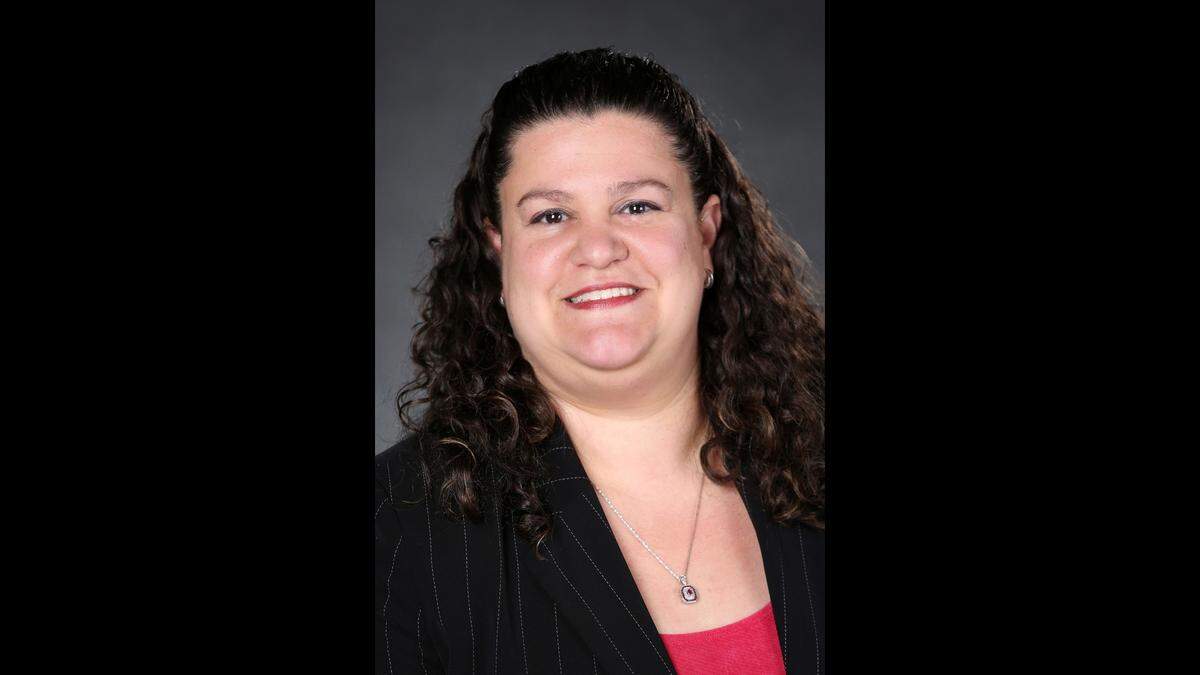
Evonne Andris is a shareholder with the law firm of Siegfried Rivera who is based at the firm’s Coral Gables office and focuses on community association law. She is a regular contributor to the firm’s association law blog at www.FloridaHOALawyerBlog.com. The firm also maintains offices in Broward and Palm Beach counties, and its attorneys focus on real estate, community association, construction, insurance and bankruptcy law. EAndris@SiegfriedRivera.com, www.SiegfriedRivera.com, 305-442-3334.
========
Read past ‘Real Estate Counselor’ columns at www.miamiherald.com:
--Increases in Florida community association budgets require careful deliberation, communication
--3 reports of association fraud on same day show importance of prevention, vigilance
--Community association disputes? Here’s how to minimize and avoid them
--HOA policies on signs, flags require diligent discussion and deliberation
--Drones can get tempers flying high in Florida HOA communities
--Don’t let down your guard yet: Here are some hurricane-prep, recovery reminders
--The real costs of community association lawsuits and how to avoid them
--Ruling shows pitfalls of associations enacting changes without required votes
--Condo terminations need ample consideration by association directors, unit owners
--Community associations should consider amending their amendments process
--Community associations should break ties with developer, board members during turnover
--Legislature delivers monumental milestone in evolution of Florida’s condo laws
--Federal and state reforms necessary to address Florida’s residential insurance woes
--What are some common traits of excellent community association boards of directors?
--Possible $8 million fraud against Florida community associations is a wake-up call
--Southwest Florida community associations appear to fall victim to massive fraud
--Water-leak suit at Jacksonville condo makes local headlines, reveals telling lessons
--Electric vehicle chargers at or near top of many condo community wish lists
--Condo terminations take hold as an exit strategy for owners at aging towers
--What’s next for condo-safety reforms after Legislature fails to act?
--All eyes on Florida Legislature for high-rise condo safety reforms