
Children’s Trust school health clinics provide students with safe space for healthcare | Opinion
![”Getting back to in-person schooling [after the COVID pandemic] was more difficult than anyone could have imagined and now that our kids are back in school, keeping them healthy and well has taken on the utmost importance.”](https://www.miamiherald.com/public/latest-news/ax4q5p/picture267667452/alternates/LANDSCAPE_1200/iStock-1336688957.jpg "”Getting back to in-person schooling [after the COVID pandemic] was more difficult than anyone could have imagined and now that our kids are back in school, keeping them healthy and well has taken on the utmost importance.”")
Now that classes are back in session, parents will likely face the prospect of their child feeling unwell at some point during the year. Getting sick is never fun, but at school it can produce even more anxiety.
Many of us remember visits to the school nurse when we got a scratch on our knee or elbow or when we got a stomach ache. Back then, the role of school nurses was to soothe the discomfort, patch you up and send you back to class.
That is still the main goal, but these days, their responsibilities and challenges go well beyond little scrapes or upset tummies.
Like so much of healthcare, the role of school nurses has evolved significantly in recent years and, in a broader sense, so has that of school health clinics.
Today, these spaces often represent the only interaction with healthcare professionals for students who are underinsured or uninsured. Fortunately, students have access to services and resources at school health clinics, many being treated by well-trained staff members who work for organizations funded by The Children’s Trust.
Equal access to needed healthcare
The COVID-19 pandemic ushered in a new era of healthcare and awareness to our lives that few of us had ever seen before. Getting back to in-person schooling was more difficult than anyone could have imagined and now that our kids are back in school, keeping them healthy and well has taken on the utmost importance.
That’s part of the reason for the critical importance of health clinics in schools. Recent studies show that more than 340,000 children in Florida are uninsured (second-highest in the nation!) with Miami-Dade County among the top 20 counties in the country in the number of uninsured children. Having readily accessible healthcare services for our children is more important than ever.
Health clinics in schools remove some of the biggest obstacles children and families face to receiving healthcare. The clinics are completely free, and they are at the schools, so getting to them is a non-issue. You don’t have to worry about appointments. Open access to the clinics helps lessen the healthcare disparities that exist in the county, and they have been shown to improve many determinants of health. They are there, ready, able and willing to serve your children.
The services offered are varied. The health teams in schools coordinate care, do health screenings and assessments, provide mental and behavioral care, nutrition and health counseling, chronic disease care and counseling, and immunizations.
Beyond the care administered, the clinics are bastions of information for those who visit them, especially for delicate subjects like bullying and other mental health issues. In very real ways, they help teach kids at school how to be healthy, as well as care for them when they are unwell.
Because the clinics can only offer a degree of service to the kids, they also are critical as a referral source so that children and families know where to go for more involved care.
Schools are staffed with a team of professionals including a nurse or nurse practitioner and a licensed clinical social worker. Schools with high enrollment have the option to augment staffing coverage with additional support from a licensed practical nurse.
Ensuring health clinics are up to par
Another fallout of the pandemic was the lightning quick nature of the evolution of health issues. Health officials, nurses, doctors and other first responders had to be ready to pivot according to new information and practices. School nurses and other personnel at clinics are no exception and must keep on top of all health-related issues, not only outside the school but of things happening at schools in general and their school in particular.
Before classes started this year, The Children’s Trust held its Health Connect Conference at Ronald W. Reagan Doral Senior High School on Aug. 3 to prepare over 340 nurses, social workers and mental health professionals working at school health clinics for the upcoming year. The Trust currently funds service providers who staff nearly 150 health suites in public schools. It was the first time the conference had been held in-person since the start of the pandemic.
The three-day training event provided the latest information related to social emotional wellness, school safety and much more. The Trust funds community-based health organizations to staff health clinics in about half of Miami-Dade public schools and was responsible for more than 36,000 students making over 114,000 visits to school clinics last year. Trust President & CEO James R. Haj spoke at the conference and welcomed back many faces he had not seen since 2019 and credited them with keeping students in the classroom.
“Sometimes children become ill in school, or perhaps they lack access to basic medical screenings for things like vision and hearing, and these factors directly affect a child’s ability to perform well in school,” Haj said. “Our strategy ensures significant investment to increase access to services on-site at schools, where students need them. They can get back to class and keep up with the instructional time.”
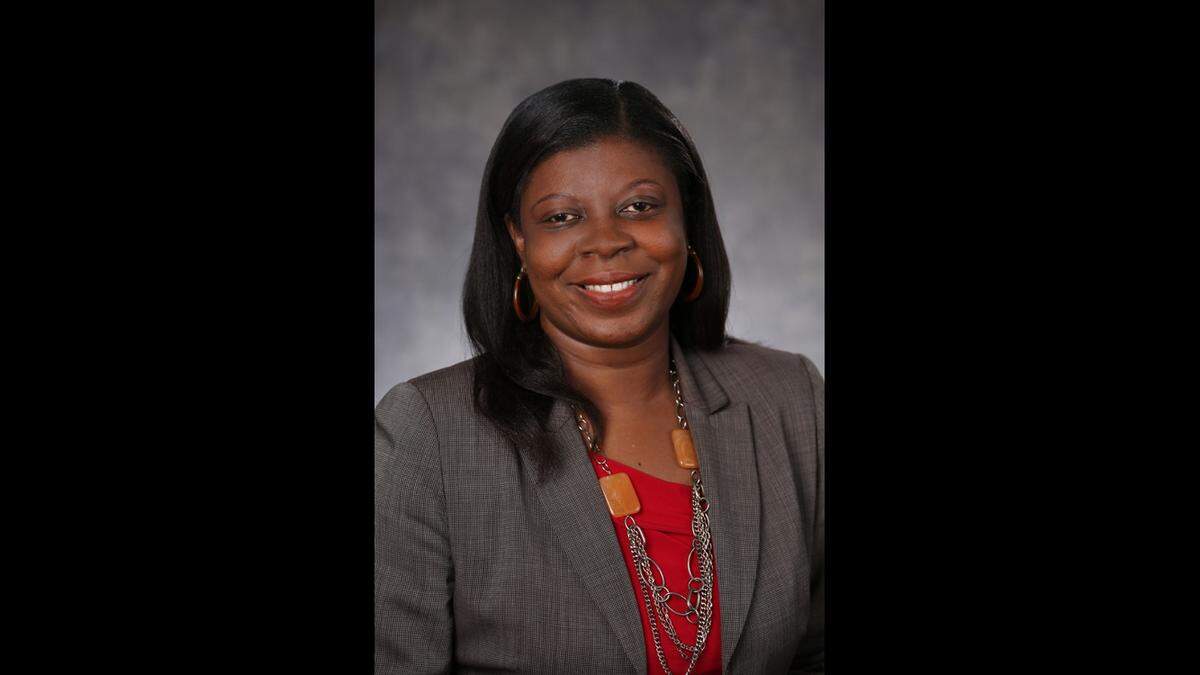
Juliette Fabien, MBA, RN, is chief programs officer at The Children’s Trust. At the Trust, she oversees a team of human services professionals, directs The Trust’s funding initiatives, and ensures that services meet the needs of the children and families of Miami-Dade County. www.thechildrenstrust.org