
Reporting child abuse can be complicated, but is mandatory
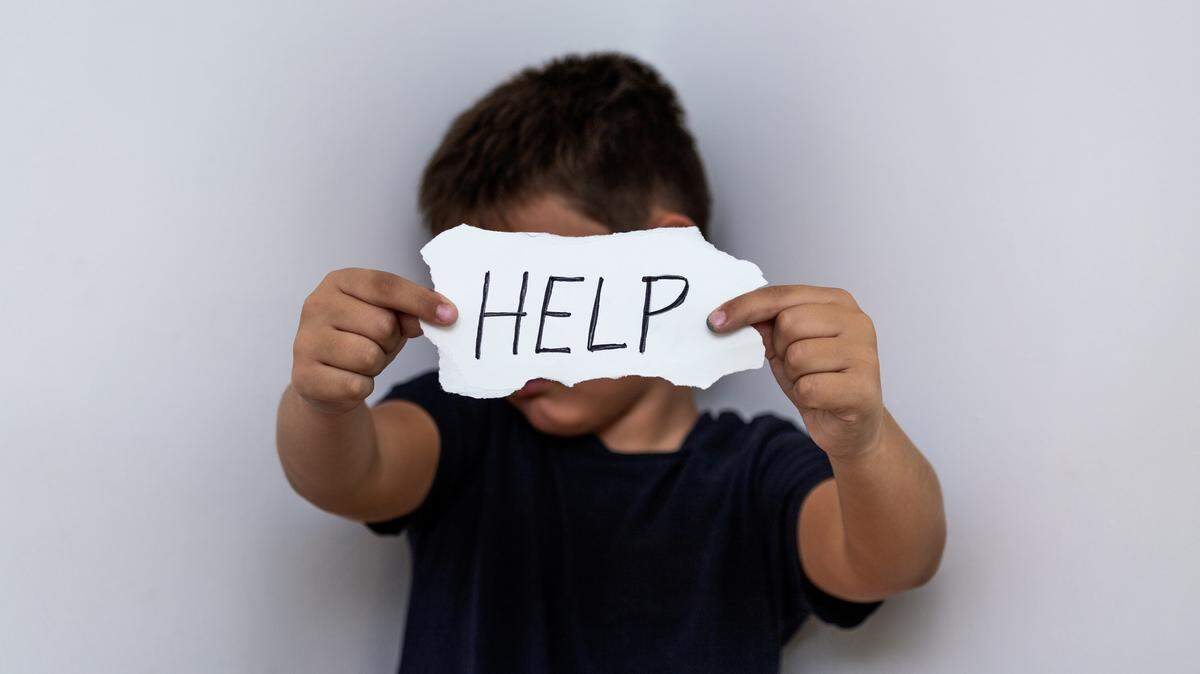
April is National Child Abuse Prevention Month and while preventing child abuse is a cause that everyone can rally behind, it is important for the community to remain informed, so we can all do our part to prevent it.
Last year, there were 18,603 child abuse investigations reported in Miami-Dade County, which resulted in 1,258 findings of child maltreatment. The true number is likely even higher as the number of cases is typically underreported in counties like ours with large immigrant populations that may experience cultural, economic and legal disincentives to reporting child abuse. Add to that parental job loss and increased stress related to COVID-19, and children are in even greater risk of abuse and neglect.
Child abuse and child neglect are crimes under local, state and federal law. But knowing how and when to report suspected abuse or neglect may not always be clear to us all.
What is child abuse and how to identify it?
Figuring out whether to report abuse of a child starts with understanding what it is and what it isn’t. Florida law defines child abuse as “any willful act or threatened act that results in any physical, mental, or sexual injury or harm that causes or is likely to cause the child’s physical, mental, or emotional health to be significantly impaired” and child neglect as a state that “occurs when a child is deprived of, or is allowed to be deprived of, necessary food, clothing, shelter, or medical treatment or a child is permitted to live in an environment when such deprivation or environment causes the child’s physical, mental, or emotional health to be significantly impaired or to be in danger of being significantly impaired.”
Although the statute seems straightforward, making a judgment call on reporting can be difficult and sensitive. Many of us have been in situations where we witness a caretaker yell at, spank, or even handle their children roughly. Are we witnessing child abuse? To a spectator, the situation may seem dire, but yelling at children or grabbing them in an aggressive manner does not automatically constitute child abuse. This is not to suggest the behavior is excused, but the question is whether it meets the threshold for reporting.
Regardless, according to Florida Statutes, “anyone who knows, or has reasonable cause to suspect, that a child is abused, abandoned, or neglected by a parent, legal custodian, caregiver, or other person responsible for the child’s welfare is a mandatory reporter.” This means that they are obligated by law to report it, and failure to do so can be grounds to be charged with a felony.
With that said, the authorities ask that you not investigate or try to prove the case yourself as doing so could unintentionally impair the case.
To decide whether there is reasonable cause for concern, you should look for typical physical or emotional clues or indicators of abuse such as unexplained bruises, burns, lacerations, abrasions or injuries that regularly appear after a school absence, weekend or vacation or for which parents and children give conflicting or unconvincing reasons. Fear of going home, artwork with depictions of sexual abuse or crying, fearfulness, or suicidal ideation for no apparent reason are also common signs to look for.
How to report child abuse?
If you see a child who is in immediate danger, calling 9-1-1 and reporting it to the police is the fastest way to ensure the child’s safety. To report child abuse, it is recommended you call the Florida Department of Children and Families child abuse hotline available 24-7 in English, Spanish, and Creole at 1-800-96-ABUSE (1-800-962-2873) or visit their website reportabuse.dcf.state.fl.us. Childhelp National Child Abuse Hotline, at 1-800-4-A-CHILD; childhelphotline.org is an additional resource. The Children’s Trust-funded 2-1-1 Helpline also has resources and information on how to report child abuse and resources for families struggling with it.
How to avoid unintentionally harming your child?
Most of us see ourselves as loving parents. Yet parents who love their children can, unintentionally or intentionally, at times behave in ways that are harmful. While it’s easy to identify these tendencies in others, we may be blind to our own harmful parenting practices. In fact, some parents attribute their own parents with passing down the harsh discipline strategies they use with their own children. They might even think, “this is not even close to what my parents did to me and look at how great I turned out.” Or, “this type of punishment worked on me, and it will work on my children.” So much of what is known about the negative impact of abusive parenting practices on children’s development wasn’t as widely recognized in previous generations — or even still isn’t by some.
Thankfully, parents now have trusted professionals in their community who can share more mindful discipline strategies and have many opportunities to learn and practice alternate ways of parenting. For additional information, visit The Florida Department of Education which has a Child Abuse Prevention Sourcebook (fldoe.org/schools/family-community/activities-programs/child-abuse-prevention.stml) with extensive listings of local, state and federal resources and referrals. Additionally, The Children’s Trust Parent Club (www.TheChildrensTrust.org/ParentClub) offers free workshops throughout the county that teach important parenting skills and give parents a chance to interact with each other and exchange ideas and experiences.
.jpeg "Grettel Suarez IMG_020_fitted (1).jpeg")
Grettel Suarez, M.Ed., is a mother of two and the director of research and evaluation at The Children’s Trust. She has a master’s degree in marriage and family counseling from the University of Miami and has years of experience evaluating nationally implemented parenting programs.