
Events of past few weeks stir vivid memories of Emmett Till lynching, Holocaust | Opinion
Some things, events, times in history you just never forget. While they might lay dormant in your mind for years, one day something will trigger them to resurface in your thoughts. While we can apologize for our wrongdoings, there are somethings that won’t ever be erased from our minds.
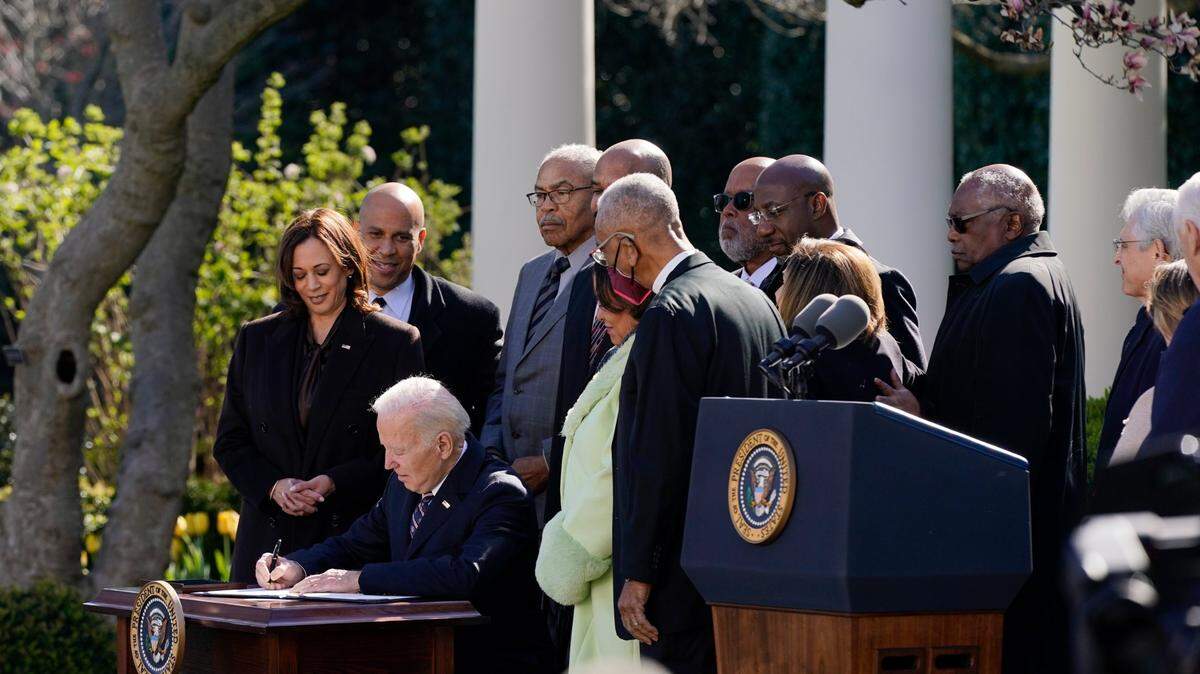
For me, such was the case when I learned of the passage of the Emmett Till Antilynching Act. And again, when I saw on the news the bodies of innocent citizens strewn in the streets of Bucha in the Ukraine. The scenes brought back memories of the Holocaust fresh to my mind.
Concerning the Emmett Till case, the wheels of justice really do turn slowly.
I was 17 when Till, a 14-year-old Black boy from Chicago, was lynched in a rural Mississippi town in the late summer of 1955, supposedly for whistling at a white woman in a grocery store. I was 84 years, three weeks and two days old when on March 7, the Emmett Till Antilynching Act was passed nearly 67 years later.
I suppose that today, nearly all of America knows the story of how Till, acting on a dare from his cousins and friends, ended up tortured and brutally beaten and tossed into a swampy river. Days later, his body was pulled from the murky waters. What had been a handsome and vibrant young Black boy was a mangled and pitiful sight to behold. I remember reading in the Jet Magazine (now defunct) that Till’s mother refused to have a closed-casket funeral for her son because she said, “… I want the world to see what they did to my baby…”
What Till did was a simple act of a young boy showing off before his peers. If he had been white, or in another place, the whistle might have gone unnoticed or simply brushed off as a boyish prank. But Till was a young Black boy. In Mississippi. In 1955. And it cost him his young life.
It was an act that I, and many others have never forgotten.
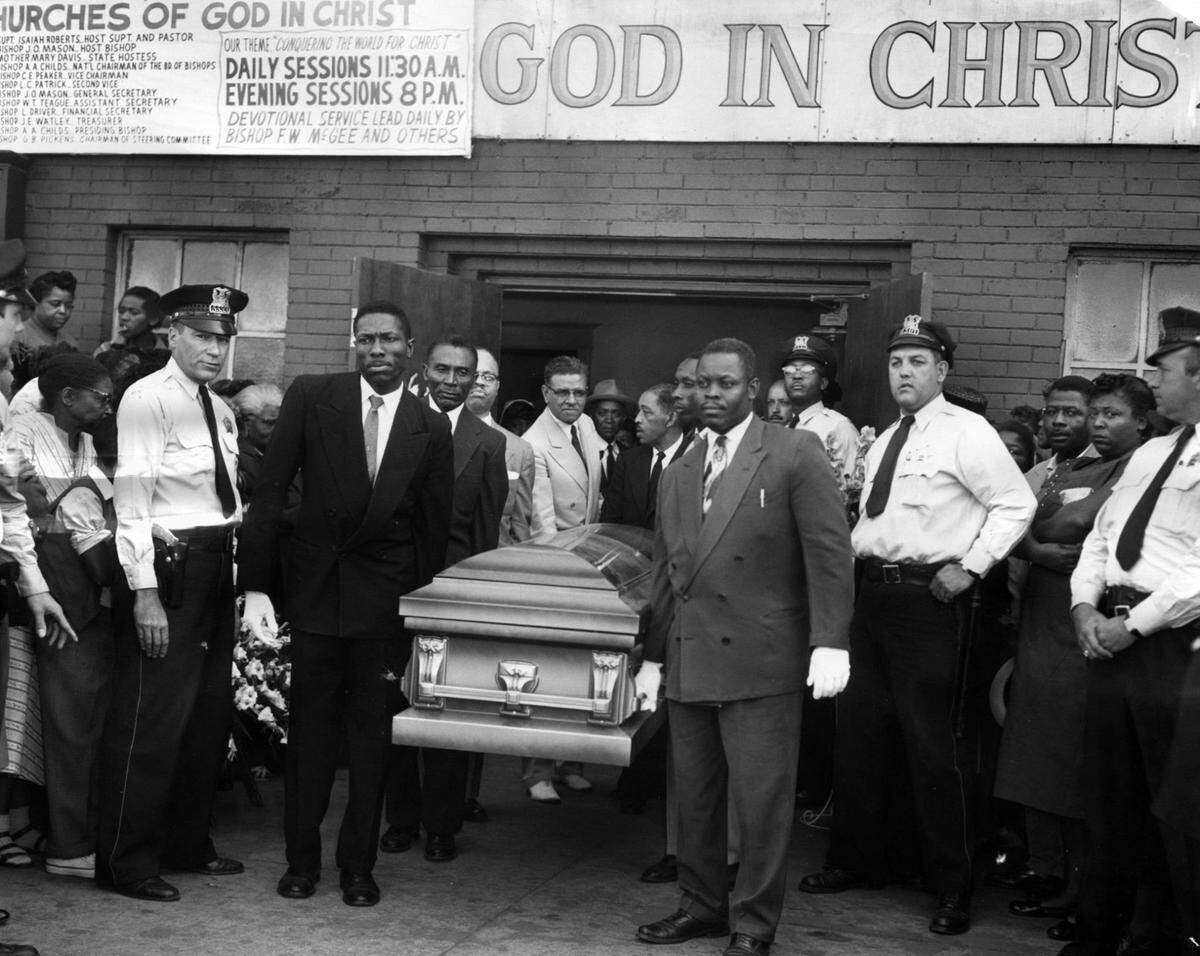
A bitter time for Black Miamians
Till’s lynching affected Miami’s Black community in a way that, at the time, I had never seen in all my 17 years of living.
Labor Day was just around the corner, and that meant a fun day at Virginia Key Beach before going back to school. Only now, I don’t remember us being all that carefree at that time. In fact, the news of Till’s death followed us to school that fall, seeping into the classrooms of Booker T. Washington Junior/Senior High School, and out to the courtyard where physical education teachers tried to hold their classes.
The news of Till’s lynching followed us home, where our parents were so hurt, they seemed to be at a loss for words when trying to explain Till’s death to us. They seemed to hold us closer. It was a bitter pill that we had to swallow. We kept seeing pictures, in the local Black-owned Miami Times and the national Black Ebony and Jet magazines, of what was left of Till’s unrecognizable features on a face that looked like the face of a monster. We couldn’t shake the picture from our minds.
For weeks afterward, there seemed to be a gigantic cloud of doom settling over our homes and schools as the news of Till’s death, still circulating, entered into our thoughts and conversations for days. There was no social media in 1955, and not many of us had televisions. Even if we had, the news about Blacks was scarce, if at all. So, we relied solely on the Black press (God bless them) for any news — good or bad — about our people. To many Blacks, Till’s lynching was still news weeks, or even months, after it happened.
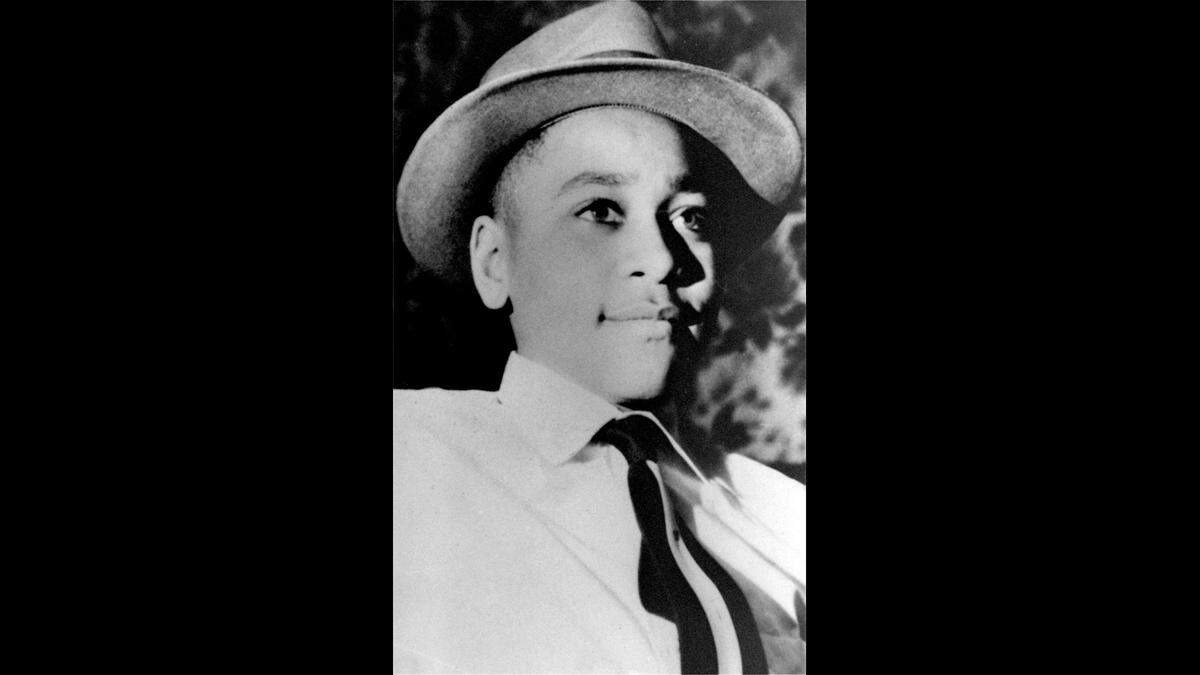
Till’s lynching wasn’t the first for many Black families, especially in the rural South. We’d all heard stories of how “… Uncle Jack had to hide under the corn and/or cotton in a rickety wagon”, pulled along by a donkey or horse into the next county so he could escape a sure lynching. Perhaps his only crime was that he “stood up” to a White man. But to Black teens, Till was one of us. His death, and the way he died, hit home. Hard.
We had learned of the late Ida B. Wells, an early Black reporter whose stories of lynching in the South brought about threats on her own life. But living in Miami in 1955, we didn’t worry too much about being lynched. As I said, we knew it happened… someplace else. In Miami, though, we felt safe. While Jim Crow was alive and well in the mid-1950’s, we had started to see signs of change.
Then came Till’s lynching. It stirred something in us. It let us know that no Black of any age was yet safe from the rough grass ropes slung across a tree branch. We knew then that all was not well with us. Not at all. It was not a great time to be Black.
Yet, many of us held fast to our faith. We made the best of our world and we prayed for a better day. We believed that it would come.
As time passed, lynching took on a different form. In many cases, the perpetrators didn’t wear white sheets and hoods. They wore police uniforms and badges. And Black parents had to change the words of“The Talk” they had learned to give their sons and daughters who were growing up in a country that we loved but that didn’t love us back; a country that sang of freedom but was not free to us.
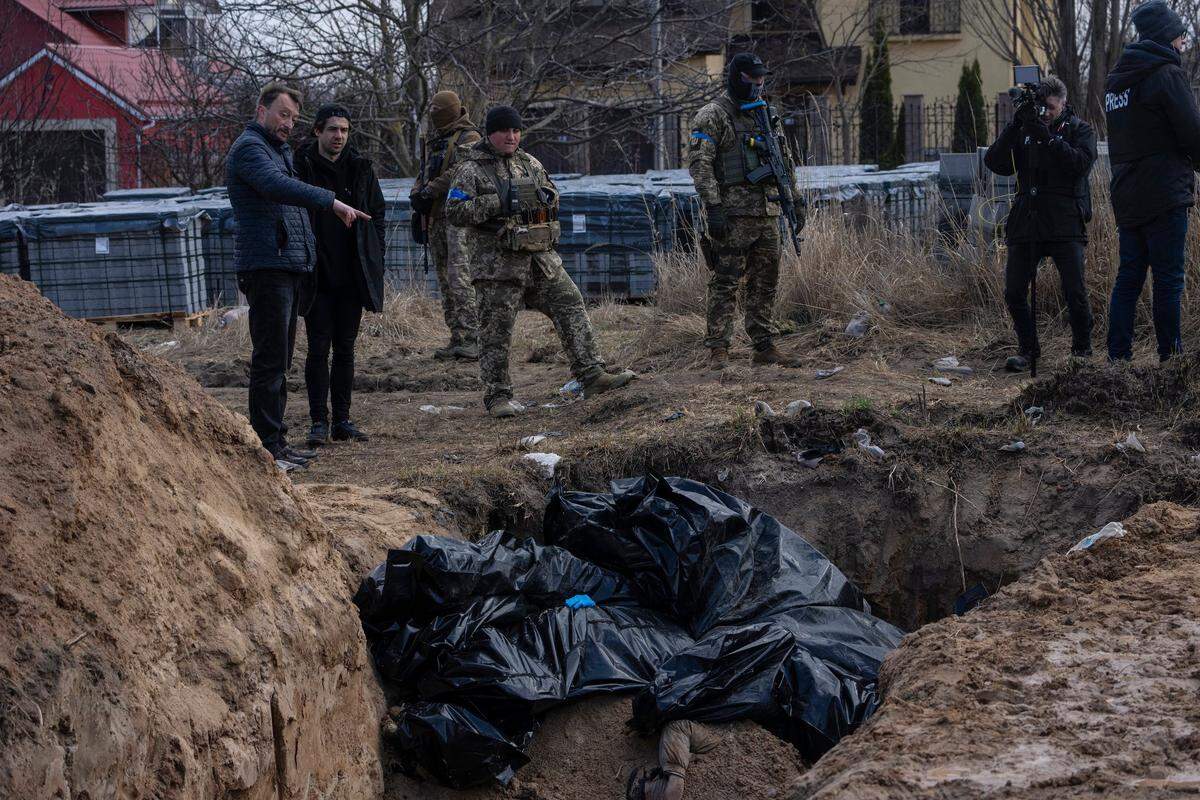
Images of slaughter in Ukraine resonate
So, as I sat musing on the Emmett Till story and how we cannot, nor should we, forget it, my mind and my heart goes out to the people of the Ukraine. Just as it was hard to look at the image of the slaughtered young Black boy nearly 67 years ago, it is equally hard for me to look at the images of human beings being slaughtered and left to die on the streets of Ukrainian cities. It is hard to learn of the mothers having to give birth in bomb shelters, surrounded by hundreds of strangers, only to die when the next bomb dropped.
While many in the world pray for the war to come to an end, we will not forget these days. Just like most of us will not forget the Holocaust and all agony that goes with it. I know that simply remembering won’t remedy the problem.
I can’t tell you why a human being can be so cold-hearted that he can kill another person in cold blood, or rape and torture a woman in front of her children. I can’t tell you what goes on in the minds of a human being who could knowingly do unimaginable harm to another human. I wish I had the answers and the power to stop it. But I don’t. Like you, I am confused and helpless at solving the problems of the world.
Yet, in the middle of my perplexity and helplessness, I have hope. My hope lies in my faith in the Lord. While it hurts to watch the spoils of war and hate, the Bible teaches us that these days would come, that there will be “… wars and rumors of war…” Therefore, as painful as it is to watch the scenes of war unfold right in our living rooms, I believe the Lord has a plan for us all. So, while it might appear that the Evil One is winning the wars of life that are waging in our world, my faith holds fast.
I hope that your faith does, too.
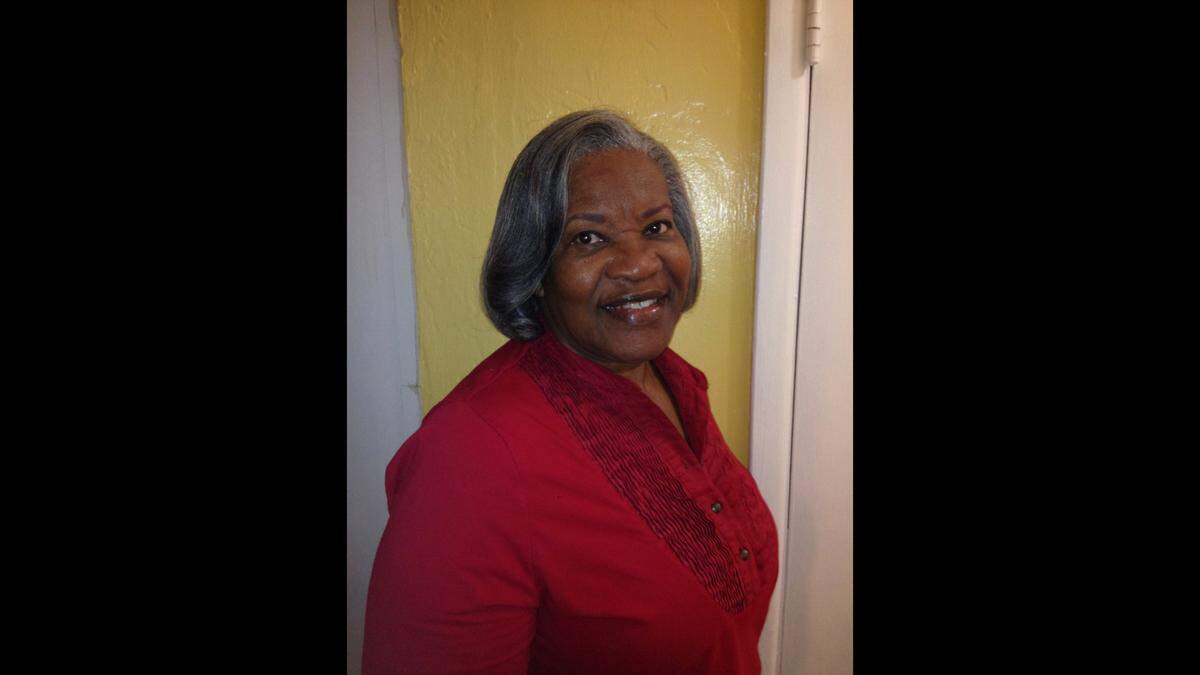
Reach Bea Hines at bea.hines@gmail.com.
This story was originally published April 8, 2022 at 12:00 AM.