
Children’s mental health crisis means parents must take action
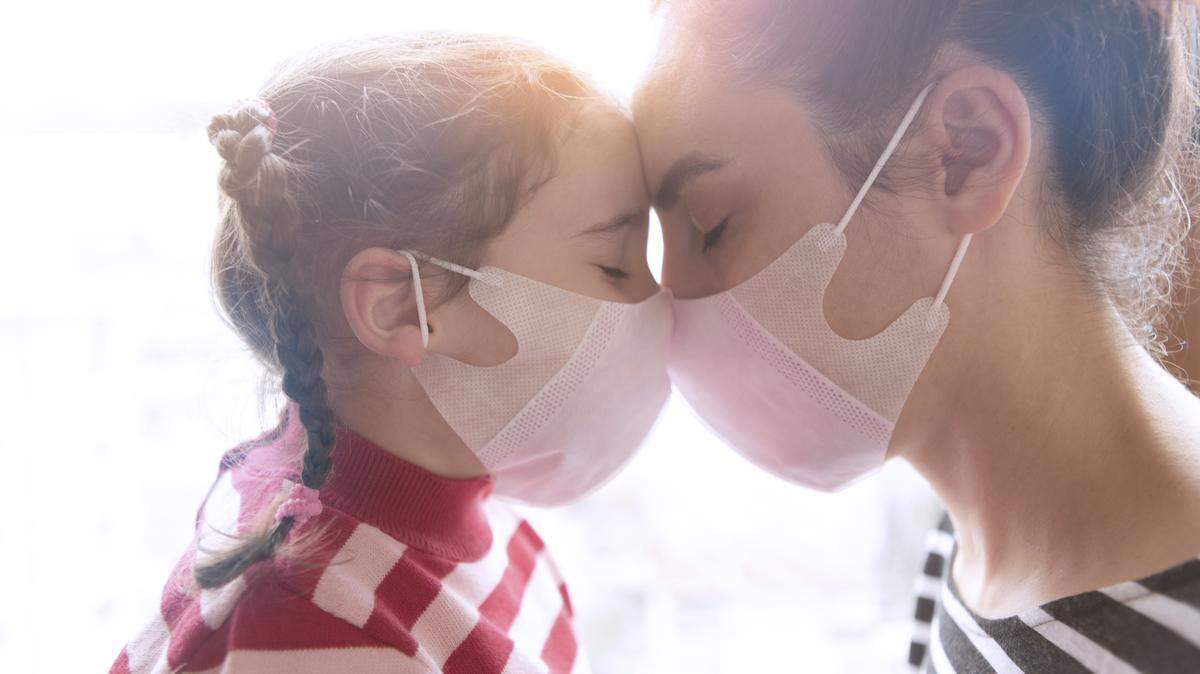
From the start of the coronavirus pandemic, mental health professionals warned that the long-term effects on the psychological well-being of children could be significant. It looks as though some of their worst fears are being realized, but thankfully parents can do a lot to help.
The American Academy of Pediatrics, American Academy of Child and Adolescent Psychiatry (AACAP) and the Children’s Hospital Association recently declared a national emergency in children’s mental health and are pleading with policymakers and others to take steps to meet this critical situation.
Before the pandemic, suicide was already the second leading cause of death among youth aged 10 to 24, and now the situation has gotten worse. Suicide attempts for girls ages 12-17 rose over 50 percent in early 2021 compared to the same period in 2019. Also troubling, the number of emergency room visits for mental health situations rose by almost a quarter for children aged 5-11 years old and more than 31 percent for those 12-17. As parents, we can be proactive in addressing these issues. It is important that we tap into our children’s resiliency, which they have also demonstrated over the last 20 months, and use the resources available to support our children’s mental health and overall well-being.
Communication between teenagers and their caregivers can be challenging during the best of times. With the stakes much higher now, parents must make sure to keep the doors of dialogue open no matter how uncomfortable things are. Our kids don’t always express their feelings as we hope they would, especially when troubled. We don’t have to force them to open up, but we must be patient and available when they do. When they are ready to talk, it’s just as important to listen as it is to have a good response. Let them get out what they are feeling. It’s the best way to understand how to support getting them to a better place.
The good news is…
So how can we turn the current mental health emergency into a strength for our children? Start with explaining to them that the worst appears to be over and that they made it through. With vaccines now approved for children ages 5 and over, it is important to help our kids see that the major disruptions to their lives from the pandemic are nearing an end. They persevered through isolation and uncertainty, and that is an accomplishment that should not be taken for granted.
Help them see that the present and the future are filled with promise and just as the world continues to open up, so too will their lives. Engage with your kids in social activities with others. Encourage them to spend time in nature, invest in meaningful friendships and find interests beyond screen time. Recent revelations that show that social media platforms can be toxic to teenage girls are particularly troubling considering the amount of time spent on digital devices, especially when in-person social interactions were restricted. To counter this, encourage them to pursue things they are passionate about and enjoy doing in the real world.
Additional help is available
Count on the help of family and friends to bolster your support network. There is also help for mental health issues from professional sources. Thanks to a partnership between The Children’s Trust, Miami-Dade County Public Schools and the Florida Department of Health in Miami-Dade County mental health services are available in health clinics in nearly half of all public elementary, K-8, middle and senior high schools (145 sites) in the county. The Trust also sponsors the 2-1-1 Helpline, which provides operators trained in suicide-related calls and referrals, 24 hours a day.
We are in the middle of a children’s mental health crisis, and parents must help their children see that they are still at the beginning of their lives. If your children haven’t already gotten back to their post-pandemic lives, the chance to do so will increasingly be there. There have been challenges all around, and there is no shame in acknowledging that; but there is a better future on the horizon, and it is a parent’s job to help children realize as much.
Maria-Paula García is the director of Research & Evaluation at The Children’s Trust. Ms. García has an M.A. in Human Development Social Intervention and an MS in Psychology and previously evaluated early-intervention programs with the New York University Child and Family Policy Center.