
‘It’s overwhelming’: Rising food insecurity strains South Florida food banks
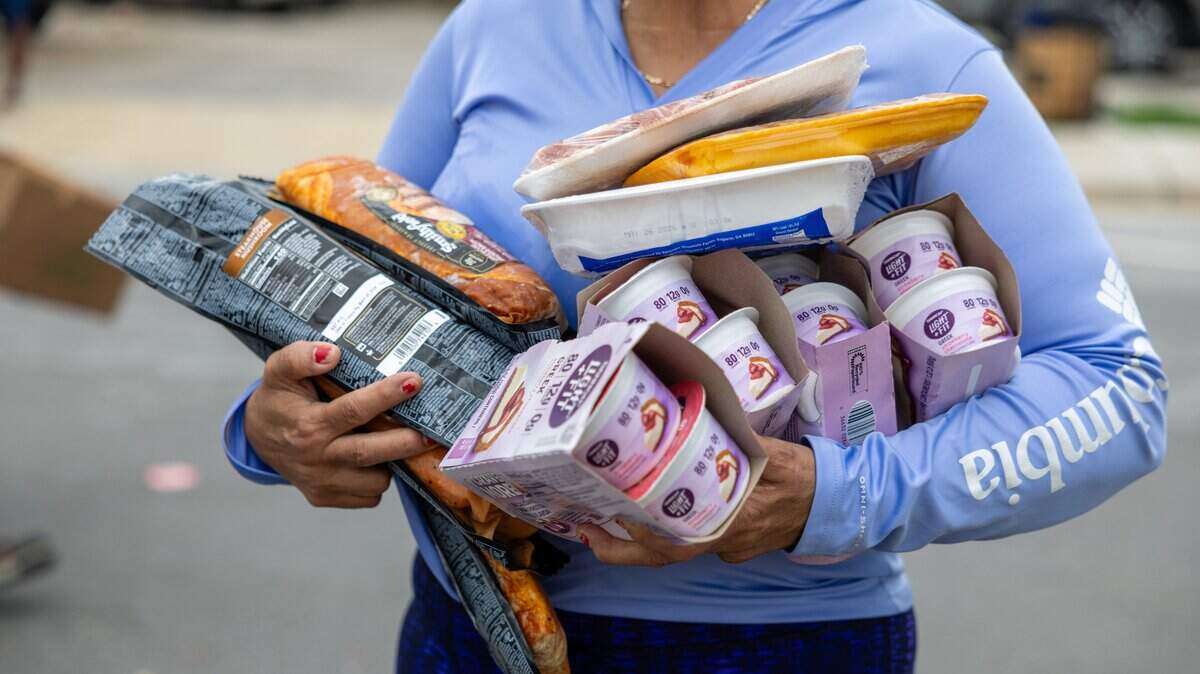
The lines outside Curley’s House Hope Relief Food Bank in Allapattah have never been longer.
After 30 years of feeding Miami residents in need, Lavern Spicer, founder and executive director for Curley’s House, says demand for food assistance has surged as rising costs leave more residents struggling to make ends meet, putting unprecedented pressure on the pantry’s resources.
This year, “we’ve seen about a 60% increase in people showing up,” Spicer said. “It’s overwhelming.”
The food bank, which distributes groceries every Tuesday and Thursday, has seen a steady influx of first-time visitors in recent months. Spicer said each week brings more new faces.
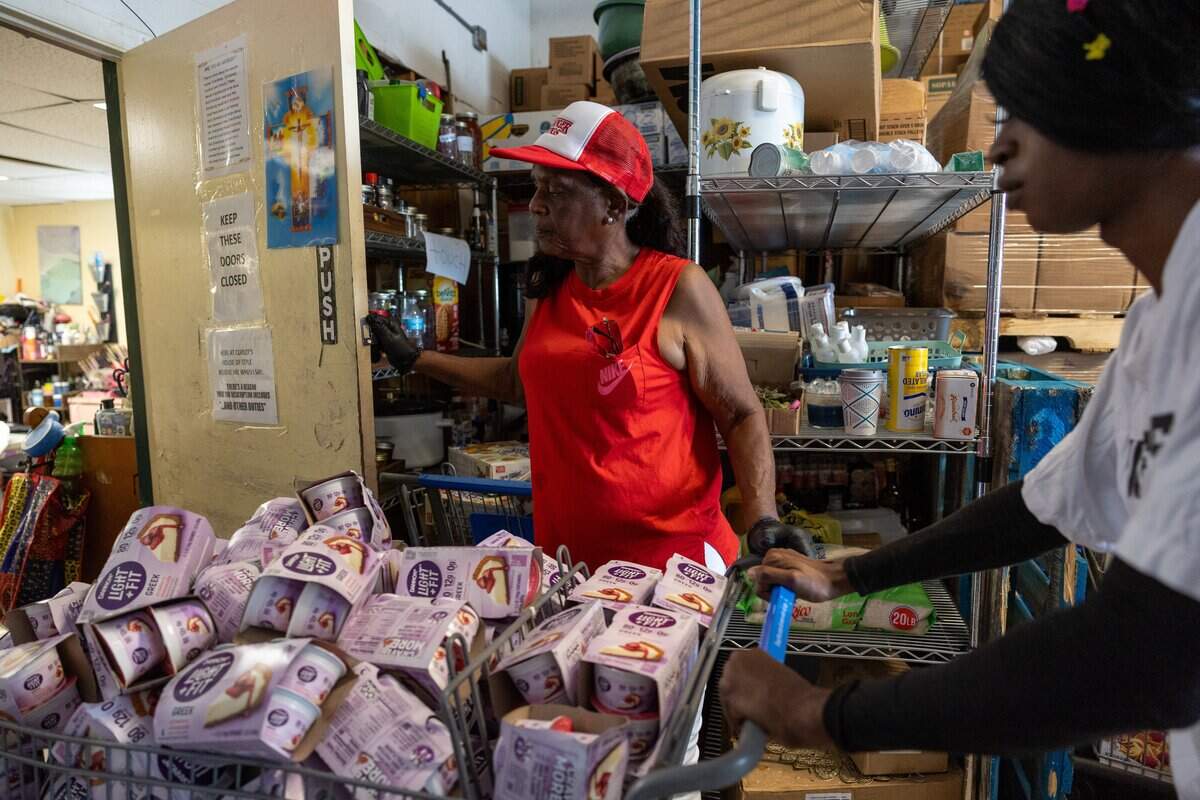
A recent poll by No Kid Hungry, a nonprofit that aims to end childhood hunger in the U.S., found that rising food costs are taking a significant toll on Florida families. The survey found that 72% of Floridians say their financial situation has been negatively affected by the cost of food, while 60% report having to make difficult choices between paying for groceries and covering other essentials, such as healthcare, gas and housing.
The food bank has a team of four employees and about 20 volunteers who work to sort and distribute food to hundreds of people each week. On some distribution days, Spicer says, as many as 500 people might pass through the pantry’s doors seeking help.
And as demand continues to climb, Spicer worries about keeping up with the growing need. But she says turning people away is not an option.
“Anybody that comes here is gonna get something,” Spicer said. “We have had people show up at our door with just their little kid in Pampers with no clothing, but we would go and buy them some clothes at the Family Dollar and make sure that child got something to wear. That’s what type of organization we are.”
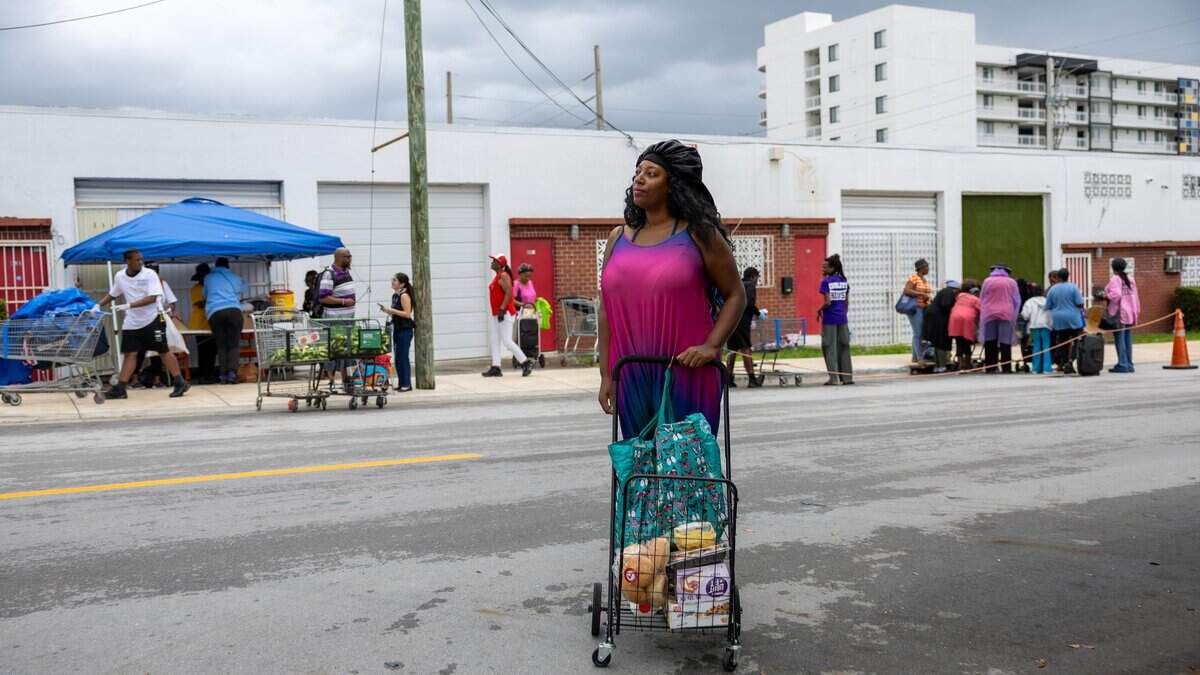
On Thursday, 36-year-old Jacolbia McGinnis stood outside Curley’s at 6025 NW Sixth St., where volunteers had organized two separate lines.
One was reserved for seniors and people with disabilities, who received pre-packaged boxes containing that day’s food offerings before being given the opportunity to select additional items if needed. McGinnis joined the second line, designated for all other visitors. There, people moved through carts stocked with groceries and selected the items they wanted.
Spicer said there is no limit on how much food a person can take, a policy intended to ensure everyone leaves with enough to meet their needs.
“It’s a blessing to have it so conveniently located,” McGinnis said. “I just didn’t know about it at first because I wasn’t going through hardship. So I’m just glad that I was able to tap into the local resources and find this place.”

McGinnis has been going to the food bank since January. She suffers from pernicious anemia, an autoimmune disorder that prevents her body from properly absorbing nutrients such as vitamin B-12, folic acid and iron.
“Working in retail or doing any labor job, it requires you to stand up, it requires you to lift things, and I cannot do my job to the full capacity because of that,” said McGinnis, who previously worked at Bath & Body Works. “I’m always tired.”
The condition has made it difficult to maintain steady employment.
While she does receive money for food stamps, she says rising food prices have forced her to change the way she shops for groceries. One of the biggest changes has been where she shops.
She said she once would buy groceries at Winn-Dixie but now favors discount retailers such as Aldi, where she can stretch her budget further and find lower-priced items.

Just a little over a mile from Curley’s House, another food pantry at 4300 NW 12th Ave. was opening its doors to people in need.
The Village (FREE)DGE has been serving the community since 2020, providing food assistance and other support services to residents facing food insecurity. Like Curley’s House, the pantry has seen more families across the area struggle to afford groceries amid rising prices.
“We are here trying to bridge the gap for families,” says founder and owner Sherina Jones. “But it’s getting harder to do that as prices increase.”
The pantry distributes one bag per person, each filled with a variety of food items. Jones said some families now bring their children with them in order to receive additional bags.
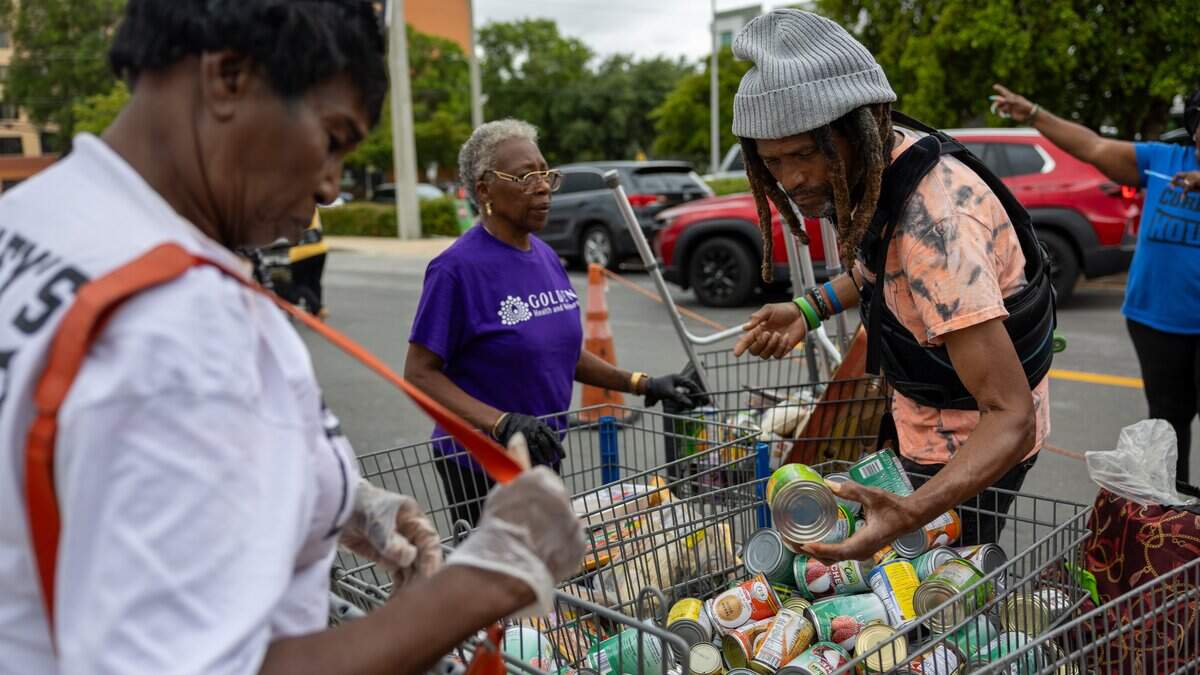
Even with roughly $300,000 currently available to support its operations, Spicer said Curley’s food bank’s funds are only expected to last through September if demand continues at its current pace.
“The sad part about it is we’re talking about the United States, one of the richest countries on earth,” said Spicer. “Why we can’t take care of our seniors? Why we can’t take care of our veterans? That’s why we are here to help them, but we need help ourselves.”