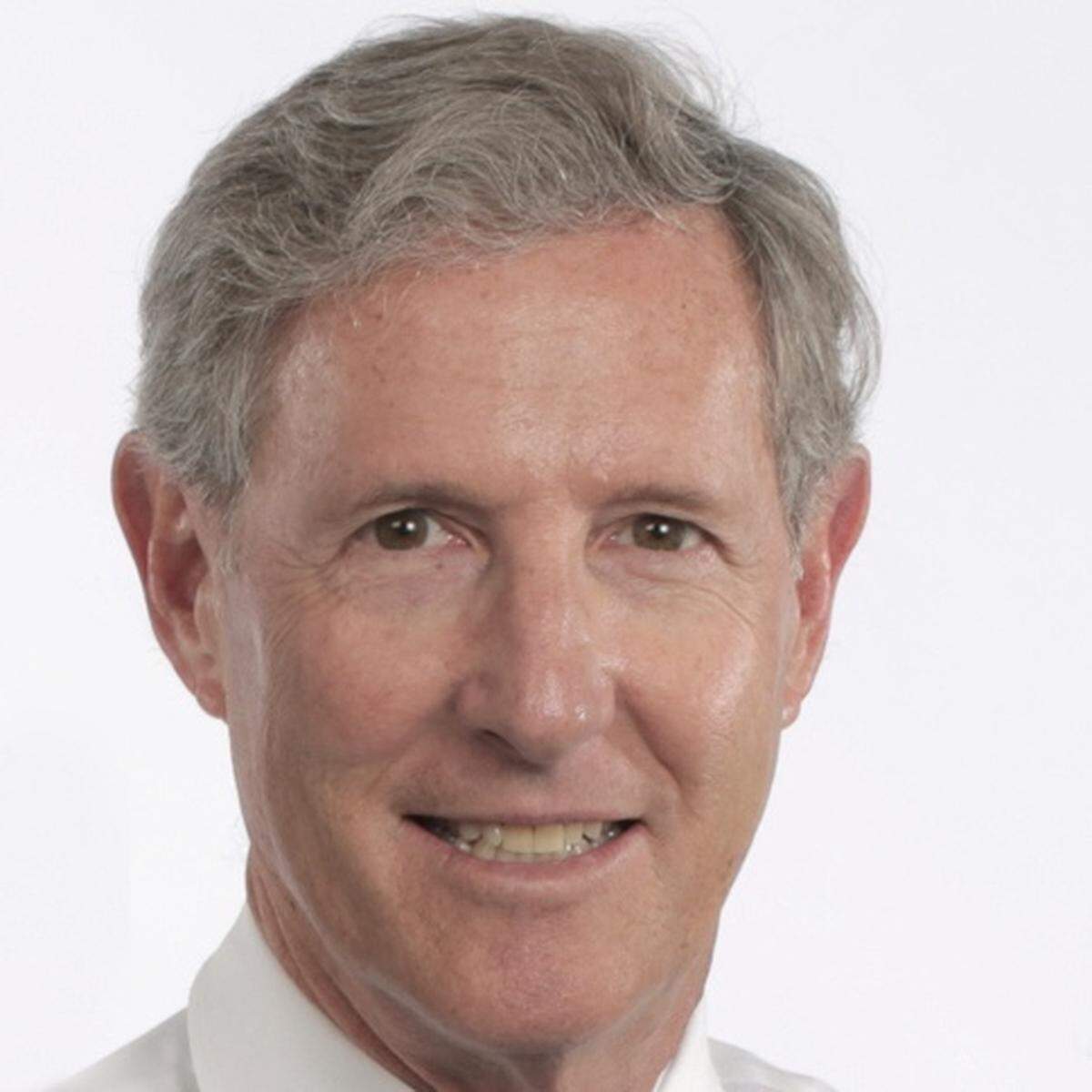
‘We have lost a legend.’ Judge James Lawrence King dies at 98 in Pinecrest
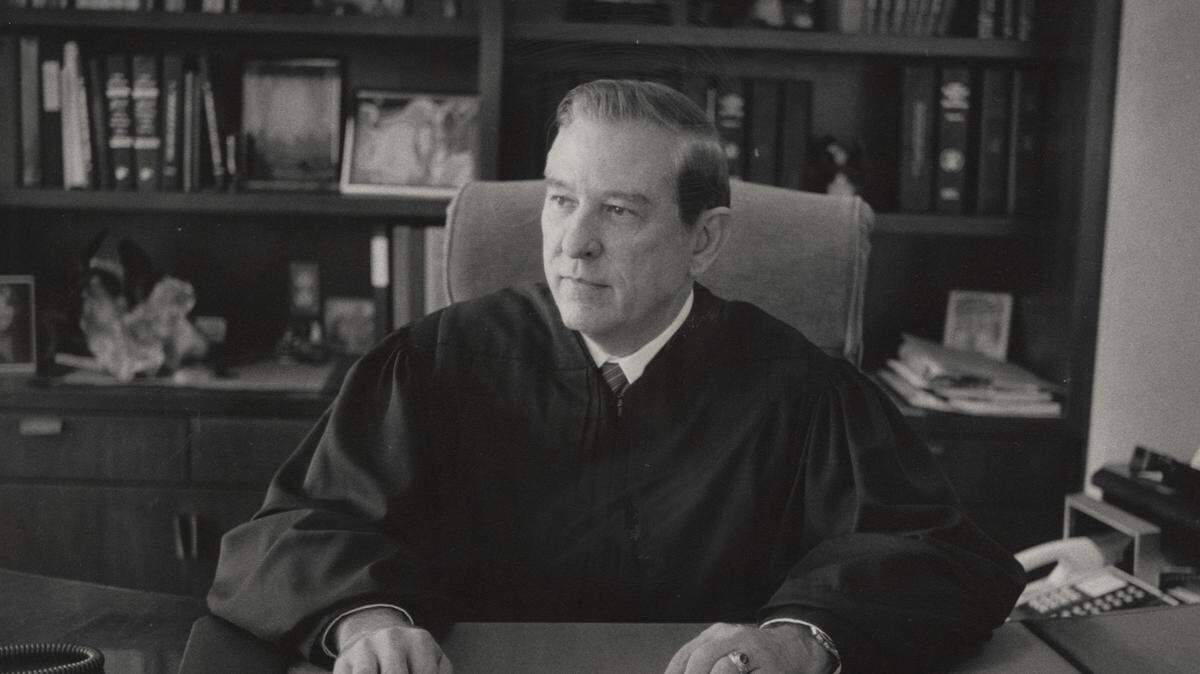
U.S. District Judge James Lawrence King — a Miami native known as an iron man for his unparalleled longevity on the federal bench and for presiding over thousands of cases as well as landmark decisions that shaped South Florida — died at 98 on Saturday at his home in Pinecrest.
King, who was appointed as a federal judge in the Southern District of Florida by Richard Nixon in 1970, was at center stage in many of the region’s most public legal dramas, including the Court Broom corruption prosecutions, Colombian drug cartels and Cuba shooting down two Brothers to the Rescue exile planes.
King was perhaps most respected for his decisions on immigration cases. In 1980, he halted the mass deportation of Haitian refugees seeking asylum hearings, a decision that was backed by the appellate court.
King worked as a district court judge until 1992, when he assumed senior status. But rather than take on a lighter load, which is customary, he prided himself on having a full docket and regularly went to his chambers in the criminal justice building that is named after him. King, who overcame a bout with cancer and the loss of his wife, Mary, eight years ago, is still listed as a senior judge in the online directory of federal judges in South Florida.
“We are very sad to lose dad, yes, a giant in the South Florida legal community, but for us, just a down-to-earth father who loved his family with all his being,” his four adult children said in a statement provided by daughter Jena King, who recently retired as a federal prosecutor in Miami.
“His humble roots instilled in his kids and grandkids a love for the simple life — togetherness, faith, family times, and love of country,” she said. “He loved the court and his community to no end.”
King was born on Dec. 20, 1927, and raised in a small home without electricity or running water in Redland, a farming community in south Miami-Dade County. Those Depression-era beginnings shaped his life and judicial philosophy — treating everyone fairly, his family said.
His father died when he was only 11 years old. His mother instilled in him not only core values but a love of books and education, and young “Larry” earned enough money packing tomatoes on farm crews to attend the University of Florida in 1945. After graduating from college four years later, he almost became a school teacher. But after a trip to the Florida Legislature and encouragement from a school principal to become a lawyer, he went to UF’s law school and graduated in 1953. He then served on active duty as first lieutenant in the Judge Advocate General Department of the U.S. Air Force during the Korean War and tried more than 200 courts-martial.
Two years later, he began practicing civil law in Miami with a legendary attorney named Marion Sibley. In 1964, King was elected as a judge to the Dade County Circuit Court until he was nominated by Nixon to the federal bench in 1970.
Over the next 50 years, King authored more than 1,020 decisions and sentenced more than 6,000 defendants, according to historical archives. He also served as the chief judge of the Southern District of Florida and was instrumental in helping build three courthouses: the C. Clyde Atkins Tower Building, the James Lawrence King Federal Judicial Building and the Wilkie D. Ferguson Courthouse.
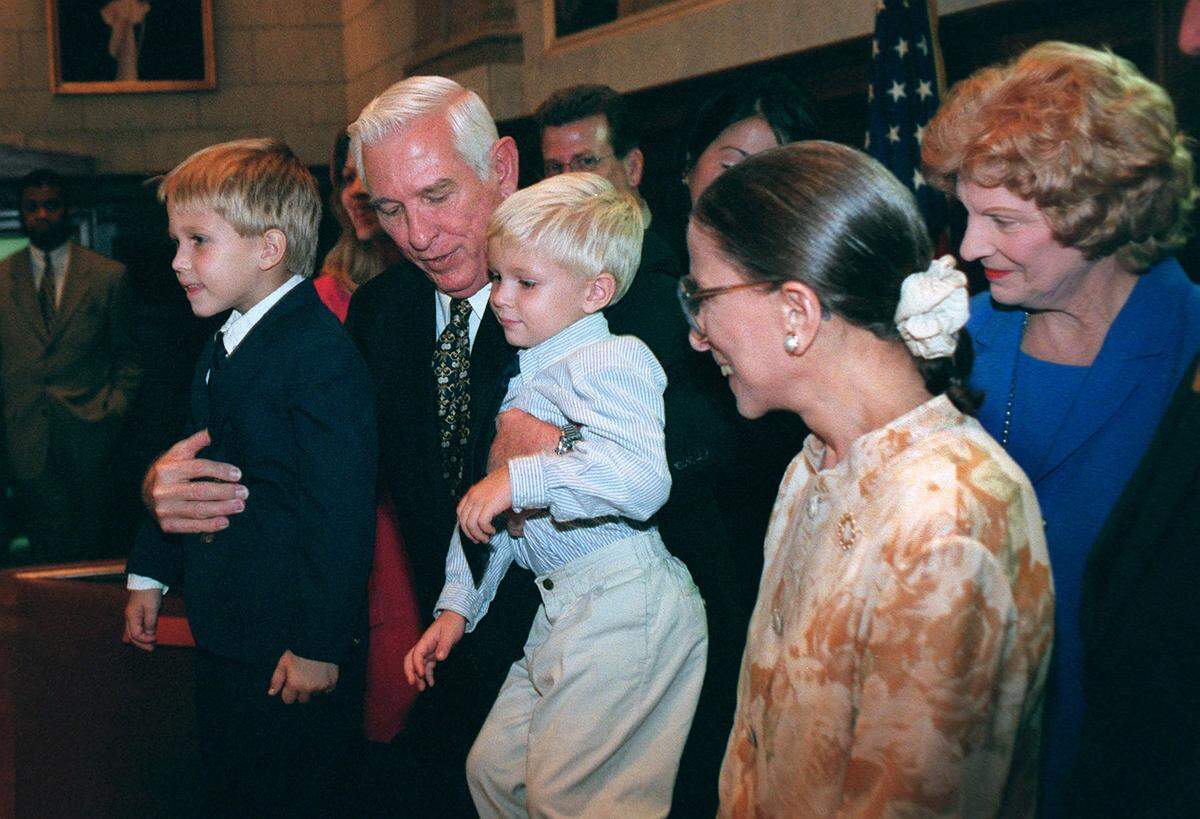
In 2000, King was honored by Supreme Court Justice Ruth Bader Ginsburg and other legal luminaries for a lifetime of achievement in the federal judiciary.
He received the 18th annual Edward J. Devitt Distinguished Service to Justice Award, named after the late chief judge of the U.S. District Court for Minnesota.
“I’m going to start crying,” King said at the time, as he thanked the throng in the central courtroom of Miami’s original U.S. Courthouse and described how Devitt was a close friend.
Ginsburg declared, “Judge King was the front-runner from the start” among the 16 federal judges nominated for the prestigious award sponsored by the Chicago-based American Judicature Society. “Above all, he has been a stalwart champion of fairness and integrity in his courtroom,” Ginsburg said.
King joined a pantheon of Devitt winners. Among them are the late Warren E. Burger, chief justice of the Supreme Court, and the late Frank M. Johnson Jr., the Alabama federal district judge celebrated for his courageous desegregation stands.
The award honors one U.S. district or circuit appellate judge — among about 1,200 sitting federal judges across the country — who has made major contributions to “the administration of justice, the advancement of the rule of law and the improvement of society as a whole.”
King’s peers talked most about his common touch with the people who entered his courtroom. “He has never lost his sense of identity with real people,” Stanley Marcus, an appellate judge on the 11th Circuit Court in Atlanta, said at the ceremony.
For example, Ginsburg spoke of King’s hiring of a former drug offender as a law clerk after he finished law school and passed the bar exam. “I suspect few judges would have departed from the usual hires the way he did,” she said.
Friends and colleagues close to King said they were saddened by his death, but remembered him as a hard-working and demanding judge who was also thoughtful and fair.
“In losing Judge King, we have lost a legend,” prominent criminal defense attorney Jon Sale said in a statement. “He was more than just a judge in this district, as he was known and respected throughout the country.”
Sale recalled that King appointed him to serve on a national committee dedicated to improving the level of advocacy in federal courts.
“For one of the committee meetings, Chief Justice Warren Burger came to Miami to attend,” Sale said. “As a sign of respect for Judge King, the Chief Justice suggested that Judge King sit at the head of the table. Of course, Judge King declined and graciously told the Chief Justice that he deserved that honor.”
Stuart Grossman, a high-profile trial lawyer specializing in personal-injury cases, said King “unquestionably set the standard for judges of his generation through the sheer volume of cases he presided over and his tremendous record of being affirmed on appeal.”
“A crafter of lengthy and well-thought orders, when you appeared before him you simply had to be prepared and your clients and witnesses ready to testify,” Grossman said, adding that when “he assigned a trial date the case was going to commence on that date come hell or high water.” Grossman said King had some favorite sayings: “The one I will always remember was after he ruled on an objection, he did not want further argument. And he’d say to the lawyers, ‘I rule and life goes on.’ ”
King’s family plans to have a private funeral Mass at 11 a.m. on May 26 at St. Louis Catholic Church in Pinecrest to be followed by his burial. The family also plans to hold a celebration of life at 4 p.m. on May 27 at the Wilkie D. Ferguson Jr. U.S. Courthouse, 400 North Miami Ave.
King is predeceased by his wife, Mary. He is survived by his four children: daughter Karen Colbert and husband Carl Colbert; son Lawrence D. King and wife Ann King; daughter Katherine Wright and husband Jack Wright; and daughter Mary Virginia (Jena) King and husband Richard Getchel. He is also survived by 11 grandchildren and two great-grandchildren.
This story was originally published May 2, 2026 at 8:07 PM.