South Floridians spend more on transportation than almost anyone else in U.S.
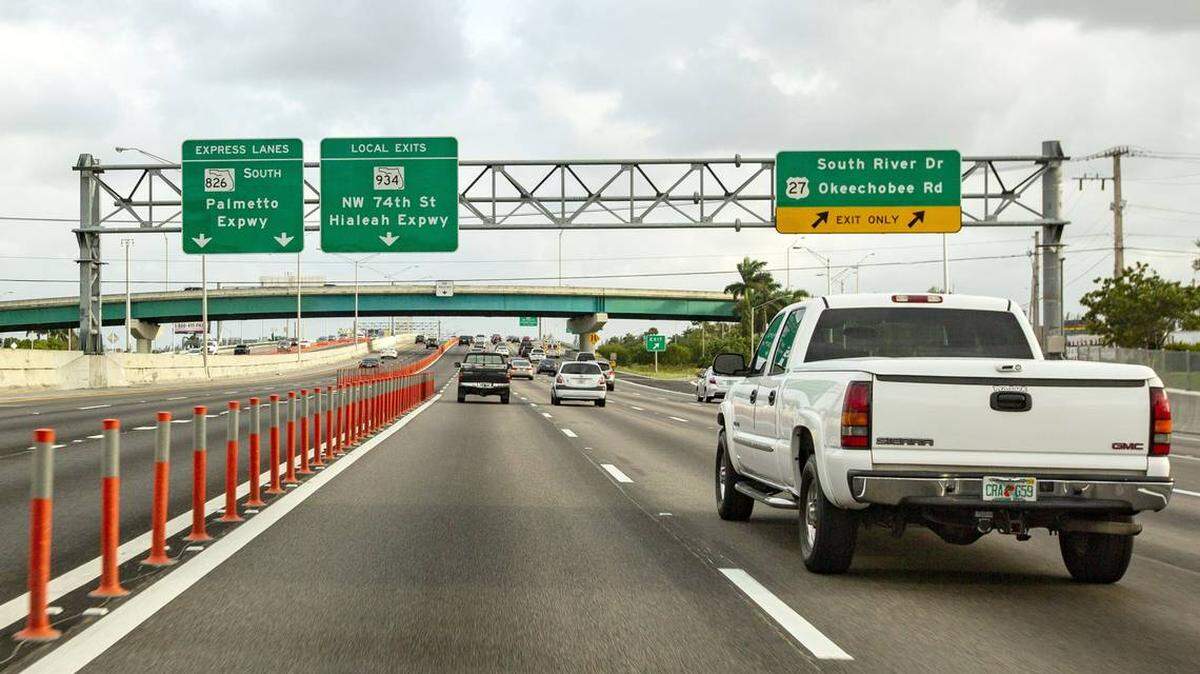
Driving in South Florida can be harrowing — and costly. Of residents in the 10 largest U.S. metropolitan areas, Miamians tie Houstonians for spending the most on transportation.
Roughly 20% of what people residing in Greater Miami spend each year goes toward getting around, according to data from the Bureau of Labor Statistics. On average, that’s more than $14,400 per household in the tri-county area of Miami-Dade, Broward and Palm Beach.
Americans in general are spending more on cars now than almost ever before. According to Kelley Blue Book, new car buyers paid almost $50,000 per purchase at the end of 2024, just under 2022 highs, when supply chain disruptions led to shortages of new vehicles on the market.
And that number doesn’t yet take into account the Trump administration’s 15% tariffs on auto imports from Japan and the European Union, said Debt.com Chairman Howard Dvorkin.
Those costs hit especially hard in Greater Miami, where residents generally earn less than their counterparts across the country.
Tri-county residents’ net automobile expenditures — the difference between what they paid for their cars and what they recouped by selling their old ones — accounted for nearly half of Miamians’ transportation costs and 9% of their total annual expenses, again tying Houston, according to the Bureau of Labor Statistics.
Necessity explains part of that expenditure, said Cathy Dos Santos, director of Transit Alliance Miami, a local nonprofit promoting walkability, bikeability and better public transit. Greater Miami, she noted, offers few practical alternatives to driving.
“We’re asking people to choose between paying really high costs for transportation by having to own or lease their car,” Dos Santos said, “versus spending sometimes twice as long using public transit to get around.”
Unsurprisingly, most stick to their cars. And given how far many South Floridians have to travel to get to work, it’s hard to blame them.
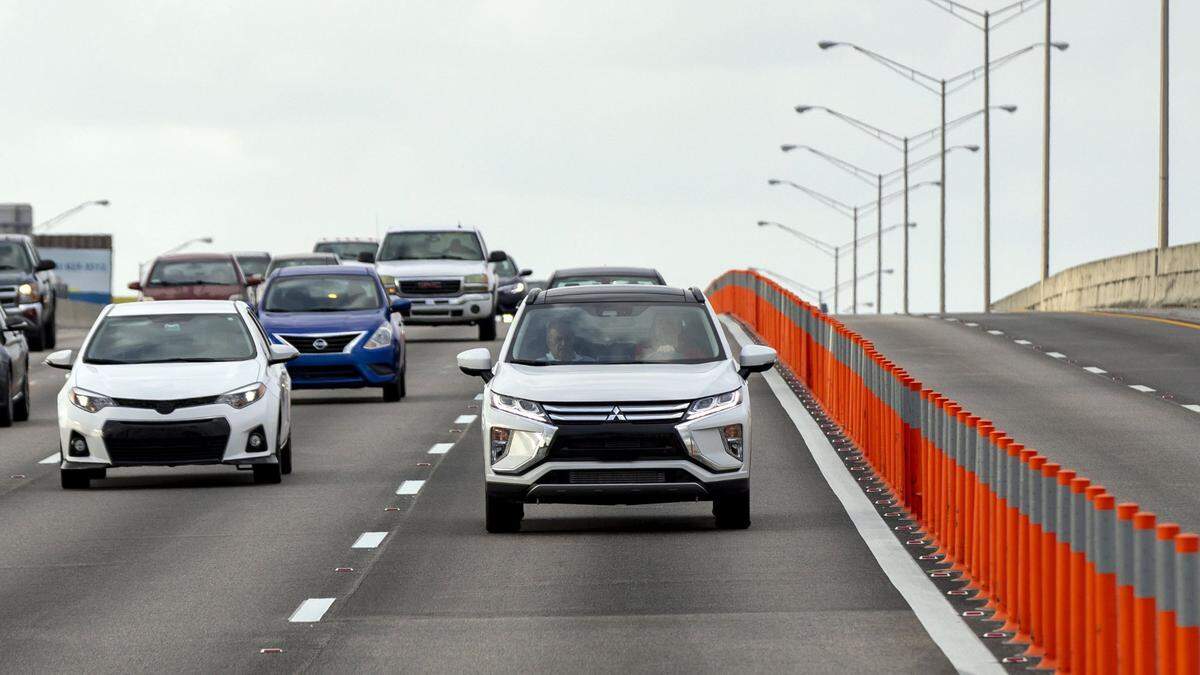
Census data shows that more than half of tri-county workers commute at least 10 miles to get to work. Nearly 15% have a 50-plus mile commute. Compounding those distances is often-grinding traffic. According to INRIX, a traffic-data analytics company, Miami is the 14th most car-congested city on Earth, with local drivers spending the equivalent of nearly three days a year stuck in traffic.
And those cars, whether they’re actually moving or idling, need fuel — another big line-item for locals. Gas eats up roughly 4% of Greater Miamians’ annual household spending, one of the highest shares among major U.S. metro areas, according to the Census Bureau.
They also need to be insured. Due largely to the higher risk of severe weather conditions and rates of uninsured drivers, Floridians pay more than $3,200 in car insurance premiums — the second most in the country behind Louisianians — according to MarketWatch.
But beyond necessity, culture can explain some of those high costs, says Dvorkin. “A lot has to do with image,” he said, observing that South Floridians tend to “like fancy cars,” even if their checking accounts are dwindling.
Reduce driving, reduce costs
Fancy or not, South Floridians need cars to get around because much of where they live is built for and around automobiles, said Dos Santos. That’s something local governments can take steps to correct. Low-density, sprawling housing — a large portion of the tri-county’s housing stock — makes it difficult for people to live within walking or biking distance of work, or even regular errands, she said.
Denser, multi-use zoning can make it easier for people to meet their needs within a walk or short public transit commute of where they live, Dos Santos noted. That, along with investment in capital projects that can improve public transit across South Florida, could ultimately reduce what residents pay.
But they’re longer-term projects.
In the immediate future, Dos Santos said, local governments can invest in cheaper, high-impact “small infrastructure” — bike lanes, sidewalks and improved pedestrian street crossings to make non-car transit, which is the cheapest way to get around, more attractive, especially for short trips.
But for those who drive dozens of miles just to get to work, as many South Floridians do, their employers can play an important role in reducing transportation costs, said United Way of Florida CEO Melissa Nelson.
By providing gas or bus cards — if employees have convenient access to mass transit — for example, employers can help ease their workers’ transportation cost burdens.
For workers receiving government assistance, those perks can help offset costs without increasing their taxable income.
That distinction is crucial. Sometimes, slight increases in income can cost assistance recipients thousands of dollars in lost benefits by pushing them over eligibility thresholds — a phenomenon known as a “benefits cliff.”
But perhaps most critically, offering flexibility — especially for work that doesn’t necessarily need to be done in person or at a specific time — is key to reducing time and money spent on transportation, Nelson said. Such adaptability is especially invaluable for families with children that need to be picked up from childcare or school.
Ultimately, she said, helping workers remove transportation barriers opens doors to personal and professional development.
“People who are stuck in their car for three hours a day” can’t invest in themselves, said Nelson. “They’re not doing any continuing education, which means they’re not training for the job that you might like them to move into.”
This story was produced with financial support from supporters including The Green Family Foundation Trust and Ken O’Keefe, in partnership with Journalism Funding Partners. The Miami Herald maintains full editorial control of this work.