Customs officers seize electronics belonging to brother of man accused of killing wife in Spain
When the brother of a Fort Lauderdale man charged with killing his wife in Spain arrived at Miami International Airport this week, Customs officials pulled the sibling aside because they suspected he had stashed a “ham” in his baggage from an overseas trip.
But defense lawyers for David Knezevich said the real reason Customs and Border Protection officers detained his brother was to establish a pretext for seizing the sibling’s laptop and cellphone.
Now, Knezevich’s lawyers have asked a federal judge to stop federal investigators from searching the brother’s electronic devices, saying they include confidential attorney-client information because the sibling has been helping the defense team prepare for the trial in Miami federal court this year. Knezevich, a Serbian national and naturalized U.S. citizen, has been charged with kidnapping and killing his estranged wife, Ana Knezevich Henao, in Madrid last year.
In a motion filed on Thursday, Knezevich’s lawyers said both customs officials and federal agents “detained, questioned, and seized electronics from ‘U.K.’ [the brother] without a warrant or any reasonable suspicion.”
They argued “there is a real and legitimate concern that U.K. may have been stopped, detained, harassed, questioned, or had his electronics seized at the request of [federal prosecutors] in this case, for the sole purpose of obtaining evidence to be used in the pending criminal case against U.K.’s brother.”
A CBP spokesman said Customs officials can search a passenger’s luggage upon arrival from abroad as long as they have a “justifiable reason.”
“We have the authority to search people, vehicles, baggage and merchandise at the border without a warrant or probable cause,” CBP spokesman Michael Silva said, adding that as policy the agency could not disclose the reason for seizing the Knezevich brother’s electronic devices at MIA.
Knezevich’s defense team, led by attorney Jayne Weintraub, asked U.S. District Judge Kathleen Williams to prohibit investigators from searching the brother’s laptop and cellphone until she has had an opportunity to review the basis for the seizure at MIA — a request opposed by federal prosecutors.
Prosecutors argued in a court filing that the CBP border search of the brother, identified as Ugljesa Knezevich, was lawful and that the FBI later obtained a search warrant for his devices. They also said a “filter team” has been set up to ensure that any attorney-client information on the brother’s electronic devices would not be shared with the prosecutors and investigators in the case.
After clearing customs at MIA on Tuesday upon returning from a trip to Portugal and Spain, the brother, his wife and their two children, all U.S. citizens, were questioned by CBP officers for several hours, according to the defense motion in Miami federal court.
“The border agents told U.K. [the brother] and his family that they were looking to see if the family had brought a ham into the United States from Spain,” the motion says. “The border agents searched the family’s carry-on bags and backpacks but did not locate a ham.”
Knezevich’s brother was further questioned by five Homeland Security Investigations agents, who asked him about his travels to Spain, and then told him that he was stopped because he was Serbian — contrary to the Customs officers’ suggestion that it was to look for a purported “ham.”
“The [Homeland Security] agents asked U.K. questions about Serbia, whether he was aware of current events in Serbia, and whether U.K. had bought any cryptocurrency, which he had not,” the defense motion says. “The HSI agents then seized U.K.’s electronic devices, including his cell phone and laptop.”
When the Homeland Security agents asked Knezevich’s brother to provide the pass code for his cellphone, he refused. One of the agents told the brother that the agency would be keeping his phone for months. The brother then asked the agent if he could have his phone back right away if he provided the passcode. The agent said that even if he did, Homeland Security would keep his phone for months.
Trial on horizon
Last month, David Knezevich, 36, pleaded not guilty to charges of kidnapping and killing his wife last February.
Knezevich, who was initially arrested last May on a kidnapping charge, now faces a potential death penalty after being charged anew with kidnapping resulting in his wife’s death. He’s also charged with foreign domestic violence resulting in death and foreign murder of a U.S. national, according to the amended indictment.
Prosecutors in the U.S. Attorney’s Office in Miami are still waiting for the Justice Department to decide whether they can pursue the death penalty, a decision that might come in January — one month before a scheduled trial that is likely to be delayed.
If prosecutors don’t opt for the death penalty, Knezevich, if convicted, would face a potential maximum sentence of life in prison.
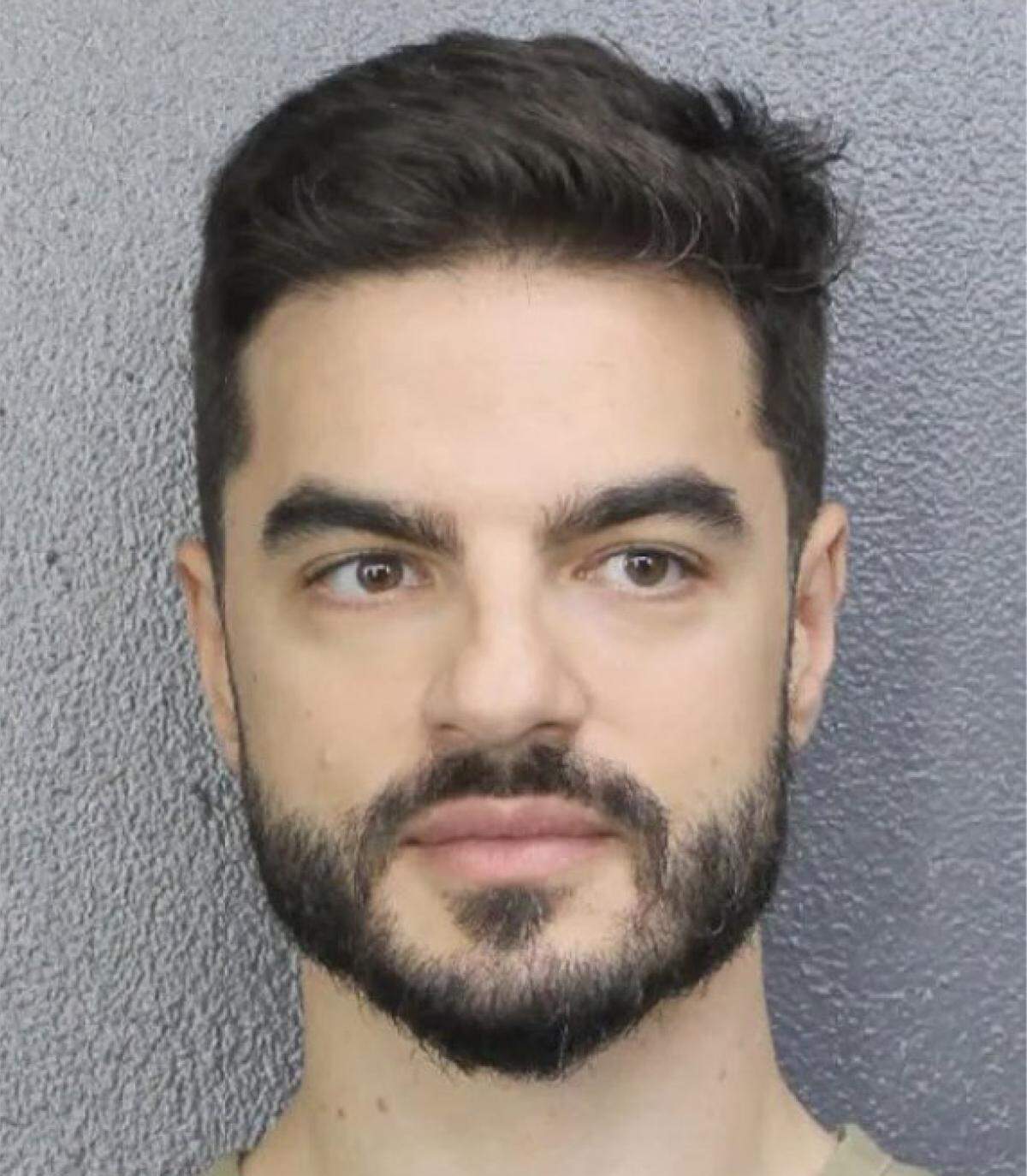
The charge of kidnapping resulting in death marked a dramatic shift in the largely circumstantial case surrounding 40-year-old Ana’s disappearance from her Madrid apartment in early February. Before the Colombian-American’s presumed death, the couple was going through a difficult divorce while fighting over millions in Broward properties that they acquired during their 13-year marriage.
At a hearing last month before Judge Williams, prosecutors proposed postponing the trial to June, citing delays in receiving evidence — including crime-scene photos, fingerprints and other key information — from the Spanish National Police.
Assistant U.S. Attorney Jessica Obenauf said she’s still waiting for the “most important information from Spain” and that a Spanish judge said the evidence would not be delivered to federal authorities until February. Obenauf also said she’s still working on arrangements for prosecutors and defense attorneys to travel to Madrid this month to visit Ana Knezevich’s former apartment building and the apartment itself. She’s also scheduling depositions with foreign witnesses during the visit.
Weintraub said her defense team, including Bruce Zimet and Christopher Cavallo, was ready to start trial as scheduled in February but suggested it could be delayed until late March.
Williams said she will soon decide on when to start the trial, but also expressed her frustration.
For months, the FBI has been coordinating its investigation with the Spanish National Police, gathering suspicious security-camera footage of David Knezevich’s presence in a Madrid hardware store and at her apartment just before her disappearance, as well as fabricated text messages and stolen license plates on a rental car suggesting a cover-up. However, authorities found no evidence of blood traces or a struggle in the estranged wife’s Madrid apartment after she was reported missing.
In two consecutive detention hearings, a magistrate judge in Miami ordered that Knezevich remain in a federal lock-up because he considered him a “serious flight risk.”
READ NEXT: Husband of missing woman in Spain accused in Miami federal indictment of kidnapping her
Knezevich, who operated a tech business, owned millions of dollars in Broward County residential real estate with his wife, a native of Colombia. They were fighting over these and other assets when she left for Spain in late December 2023. Prosecutors have noted the defendant reported to the court’s probation office that his estimated net worth was about $2.5 million after selling seven residential properties in Broward for about $6.7 million between December 2023 and February 2024, before his estranged wife’s disappearance in Spain.
Knezevich is accused of leaving Miami in late January 2024 with a plan to track down his wife. She was reported missing by authorities on Feb. 2.
The FBI said it believes the husband carried Ana Knezevich’s body in a suitcase out of her Madrid apartment building that evening, citing security-camera footage of him exiting the elevator.
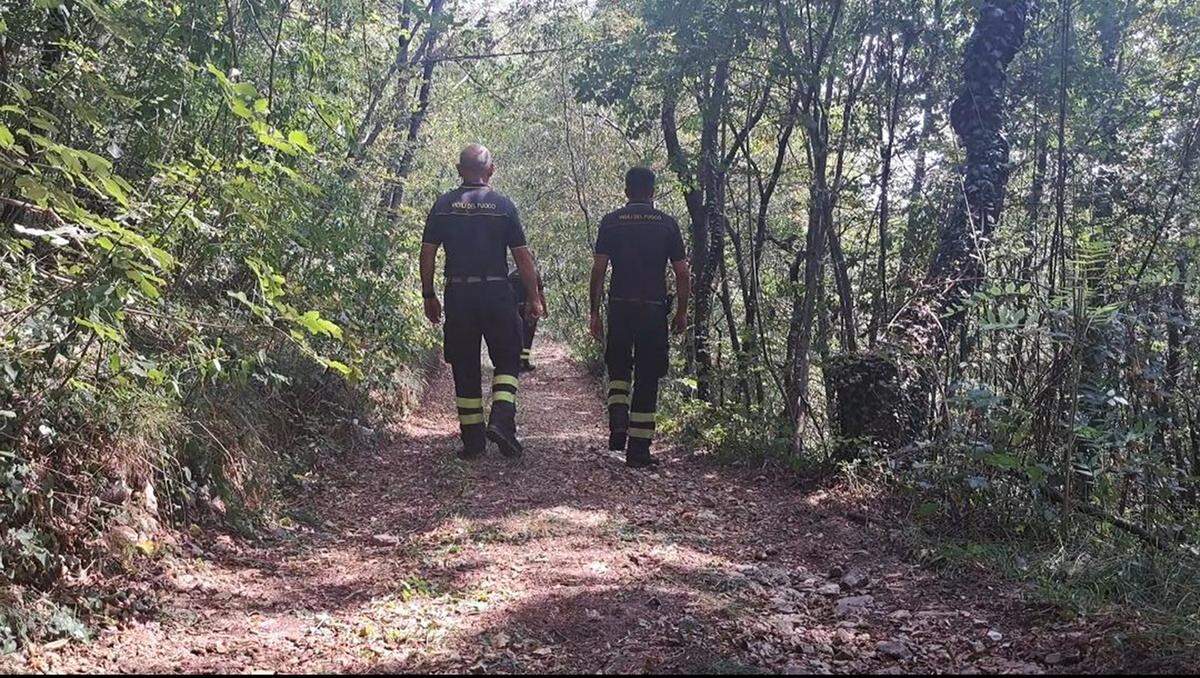
In August, the FBI joined Spanish and Italian authorities in a search for her corpse in the woods north of Vicenza, Italy, where a GPS alert on the husband’s rented Peugeot 308 suggested he took a detour there on his return trip from Spain to Serbia.
The wife’s corpse, however, was not found.
READ MORE: Investigators comb Italy to find body of Fort Lauderdale woman who vanished in Spain
This story was originally published January 10, 2025 at 6:24 PM.