Rubio holds sway over judge picks, with benefactor Braman’s nephew on tap for Miami slot
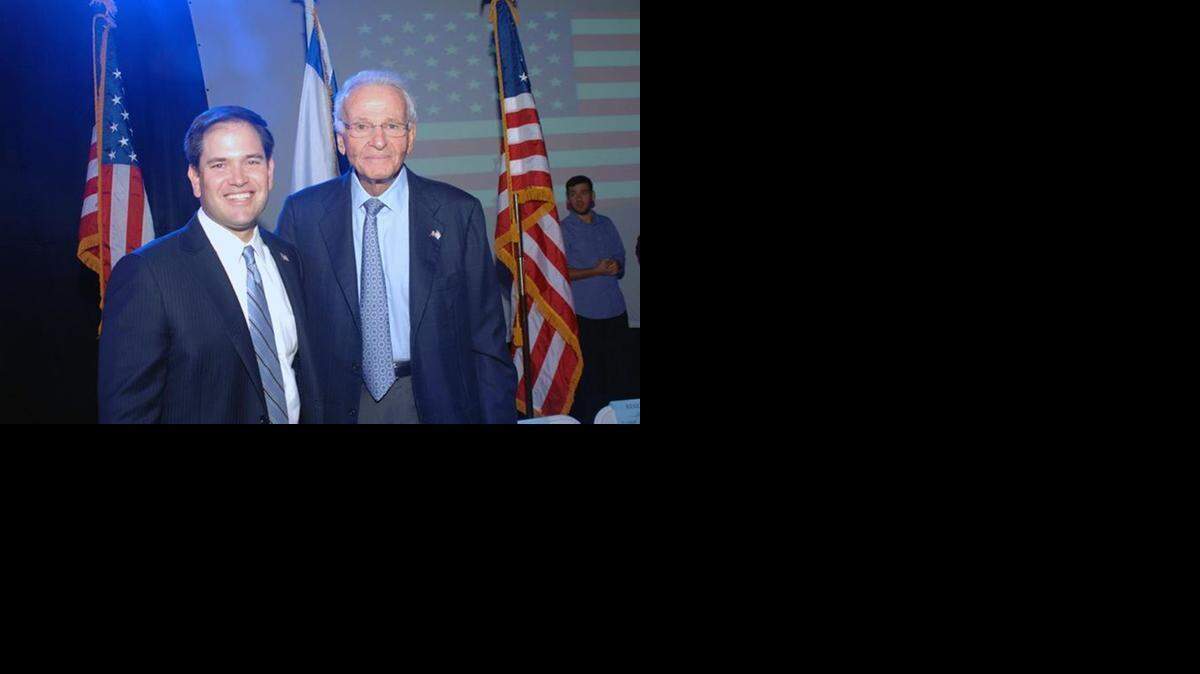
U.S. Sen. Marco Rubio’s sway over the selection of federal judges is in full swing, as President Donald Trump Wednesday nominated one of his choices for an opening in South Florida and next plans to nominate another pick with powerful political connections.
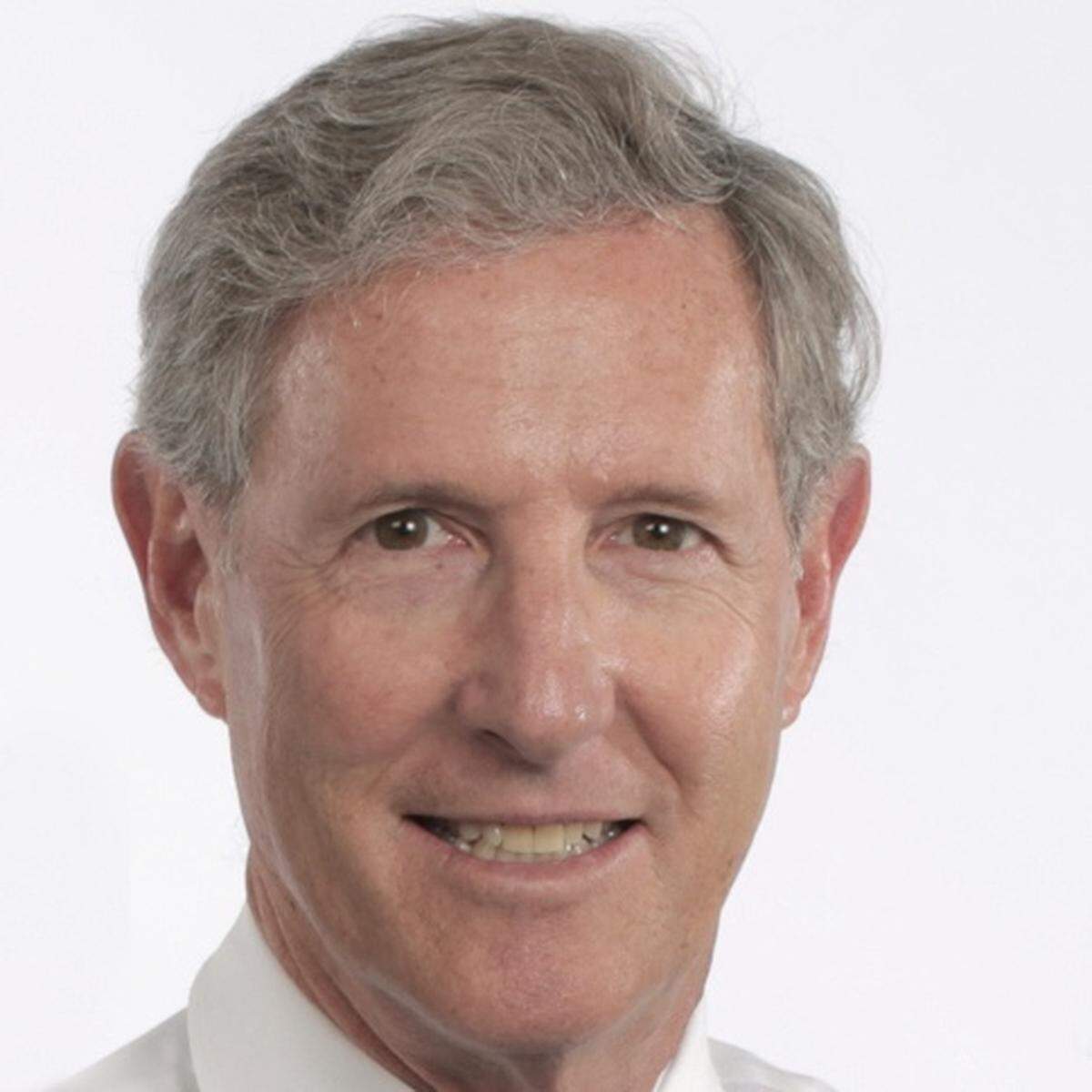
David Leibowitz, the nephew of billionaire Norman Braman — Rubio’s most prominent benefactor — is on tap to fill a vacancy on the federal bench in Miami. A former federal prosecutor, Leibowitz currently works as an attorney for Braman’s car-dealership empire in South Florida.
While Trump is expected to appoint Leibowitz soon, the president nominated Aileen Cannon, an assistant U.S. attorney who specializes in appellate law, for the federal bench in Fort Pierce on Wednesday. She awaits a confirmation hearing this spring or early summer — a final review that Majority Leader Mitch McConnell recently promised for all of Trump’s judicial nominees before the November presidential election.
Cannon, who earned her J.D. from the University of Michigan Law School in 2007 and her B.A. from Duke University, declined to comment. Her nomination, pushed by Rubio and fellow Florida Republican Sen. Rick Scott, is expected to go smoothly.
Next, Trump plans to nominate Braman’s nephew, Leibowitz, to the federal bench in Miami, according to legal sources familiar with the selection. Braman, who made his fortune selling luxury cars, has been Rubio’s political benefactor for years, donating between $5 million and $10 million to his failed presidential campaign in 2016. Rubio picked Leibowitz for the Miami opening, although Trump has final approval.
Leibowitz and his uncle, Braman, did not return several messages seeking comment. The offices of Rubio and Scott declined to comment on their recommendations for federal judges in the Southern District of Florida, including Leibowitz’s expected nomination. A spokesperson for Rubio, however, sent the Miami Herald an email highlighting Leibowitz’s credentials to emphasize his qualifications to be a federal judge.
Leibowitz served as a prosecutor in the U.S. Attorney’s Office in the Southern District of New York between 2003 and 2012, after earning a B.A. and J.D. from the University of Pennsylvania and a Ph.D. from the London School of Economics. Leibowitz has worked as general counsel for Braman Motorcars since 2012 and lives in South Florida.
For the judgeship opening in Miami, Leibowitz beat out a former federal prosecutor in South Florida, Michael Sherwin, who has worked in recent months as an assistant to U.S. Attorney General William Barr and is serving as second-in-command at the U.S. Attorney’s Office in the District of Columbia. Sherwin, a former Naval intelligence officer, obtained his B.A. from Ohio State University and his J.D. from the University of Notre Dame.
Legal observers said that while Leibowitz may be qualified to sit on the federal bench, Rubio has put his political imprint on a hand-picked advisory committee headed by mostly Republicans who review and recommend federal judicial candidates to Florida’s two senators.
Miami attorney Jon Sale, who has sat on that advisory committee and been involved in previous federal judicial nominating commissions in South Florida, said Leibowitz is “well qualified” to serve as a federal judge. He declined to comment further.
But other legal observers said Leibowitz’s relationship with his uncle and Braman’s financial support of Rubio’s career cannot be overlooked in the highly political process of choosing candidates for coveted federal judge openings, legal observers said.
“The fact that he has an influential relative should certainly not diminish his obvious qualifications,” said Miami attorney Dennis Kainen, a former president of the Miami-Dade County Bar Association and ex-governor of The Florida Bar. “However, his uncle’s relationship with Rubio certainly may have colored the senator’s decision.”
Kainen, who has served on a state judicial nominating commission, said he lamented the absence of a more open process for selecting federal judges in Florida, which existed before Trump was elected president in 2016. “Though politics has always infused the process, it should not be the overriding template utilized in nominating our judges,” he said.
For decades, Florida had a federal judicial nominating commission consisting of lawyers with Democratic and Republican backgrounds who vetted judicial candidates for Florida’s two senators before they recommended finalists to the president’s staff. But that formal process, adopted by former Democratic Sen. Bob Graham, ended when Democratic Sen. Bill Nelson left office in January 2019 after he was defeated by Scott.
Before the advent of Rubio’s advisory committee, the nominating commission in South Florida had reviewed nearly 50 candidates before recommending four finalists who now serve on the federal bench: Roy Altman, a former Miami federal prosecutor, as well as Rudolfo Ruiz, Rodney Smith and Raag Singhal, all former state circuit court judges. Those four, along with Cannon and Leibowitz (if nominated), represent a generational sea change on the federal court in South Florida.
This story was originally published April 30, 2020 at 3:48 PM.