Supreme Court rejects Miami mom’s bid to recover cash for daughter’s ‘quince’ seized by feds
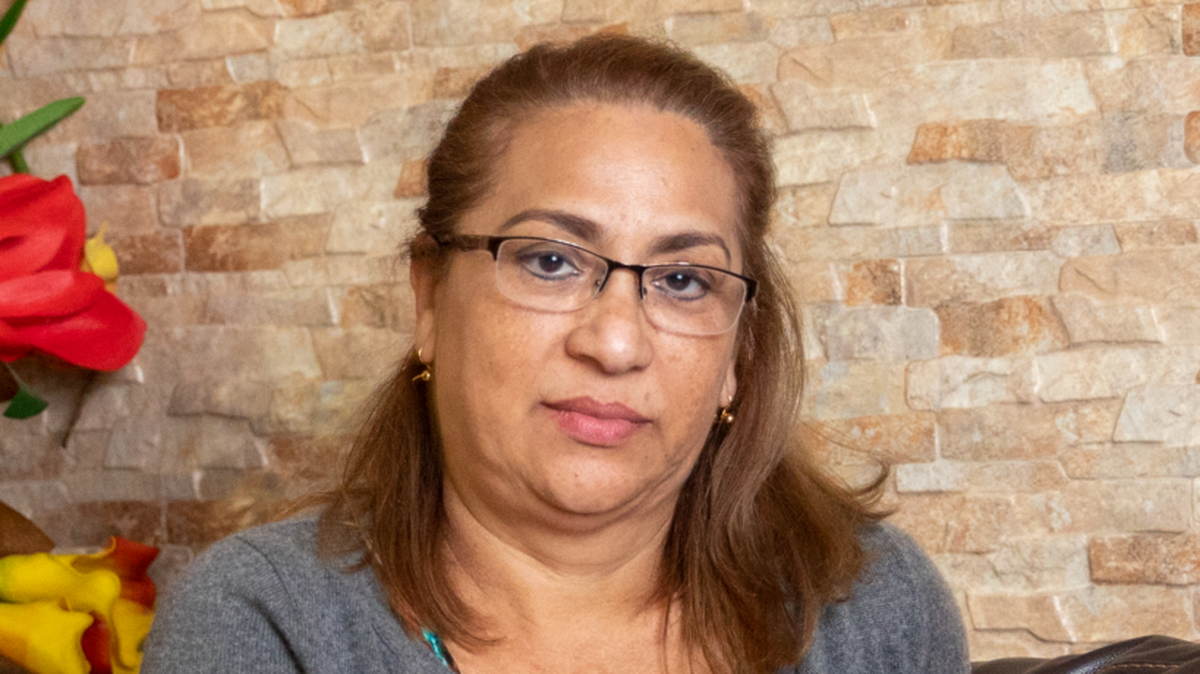
A Miami-area mother who saved $15,000 for her daughter’s “quince” birthday party but had it wrongfully seized by federal agents won’t get the chance to recover some of that money in court.
On Monday, the U.S. Supreme Court rejected hearing a petition by Miladis Salgado, 57, who works at a duty-free shop at Miami International Airport.
Five years ago, federal agents raided Salgado’s suburban Miami home on a tip that that her husband was suspected of dealing cocaine and seized $15,000 in cash from her bedroom closet that she had planned to use for her daughter’s 15th birthday party. It would take two years for Salgado to recover her money from the Drug Enforcement Administration, which did not arrest her husband because agents discovered he had not been selling drugs after all, court records show.
Before a critical ruling in a civil forfeiture dispute with Salgado, Justice Department lawyers on their own decided to return her money. But they argued that Salgado had not really won because a judge granted the feds the right to refile their civil case in the future — even though they probably had no intention of doing so. As a result, the government argued it did not have to pay her attorney’s fees, which she said amounted to $5,000 that came out of her pocket.
Salgado set aside that amount as a fee for her original attorney from the $15,000 that the U.S. government reimbursed her.
Salgado and her appellate attorneys with the Institute for Justice asked the U.S. Supreme Court to consider making her whole for the misguided May 11, 2015, raid on her home, arguing that a forfeiture law allows victims of wrongful money seizures to recover attorney’s fees in addition to their actual losses from the government. The outcome of her petition, which the high court chose not to hear, had ramifications for thousands of people nationwide whose money is seized by federal agencies without criminal charges ever being filed against them.
The Arlington, Va.-based Institute for Justice, with offices in Miami, called the Supreme Court’s decision “unfortunate.”
“But we remain hopeful that a future case could get up to the court and clear up the confusion about when attorneys’ fees are owed in forfeiture cases,” the legal nonprofit group said in a statement.
Salgado, who not only works at the MIA duty-free shop but has a second job at a Subway sandwich shop, told the Miami Herald in an earlier interview that her case was not just about money.
“It’s important, it’s not fair they trample [on our] rights,” she said. “It doesn’t have to happen to others. I understand there’s a lot of delinquency, but they need to be more careful.”
This story was originally published April 6, 2020 at 2:27 PM.