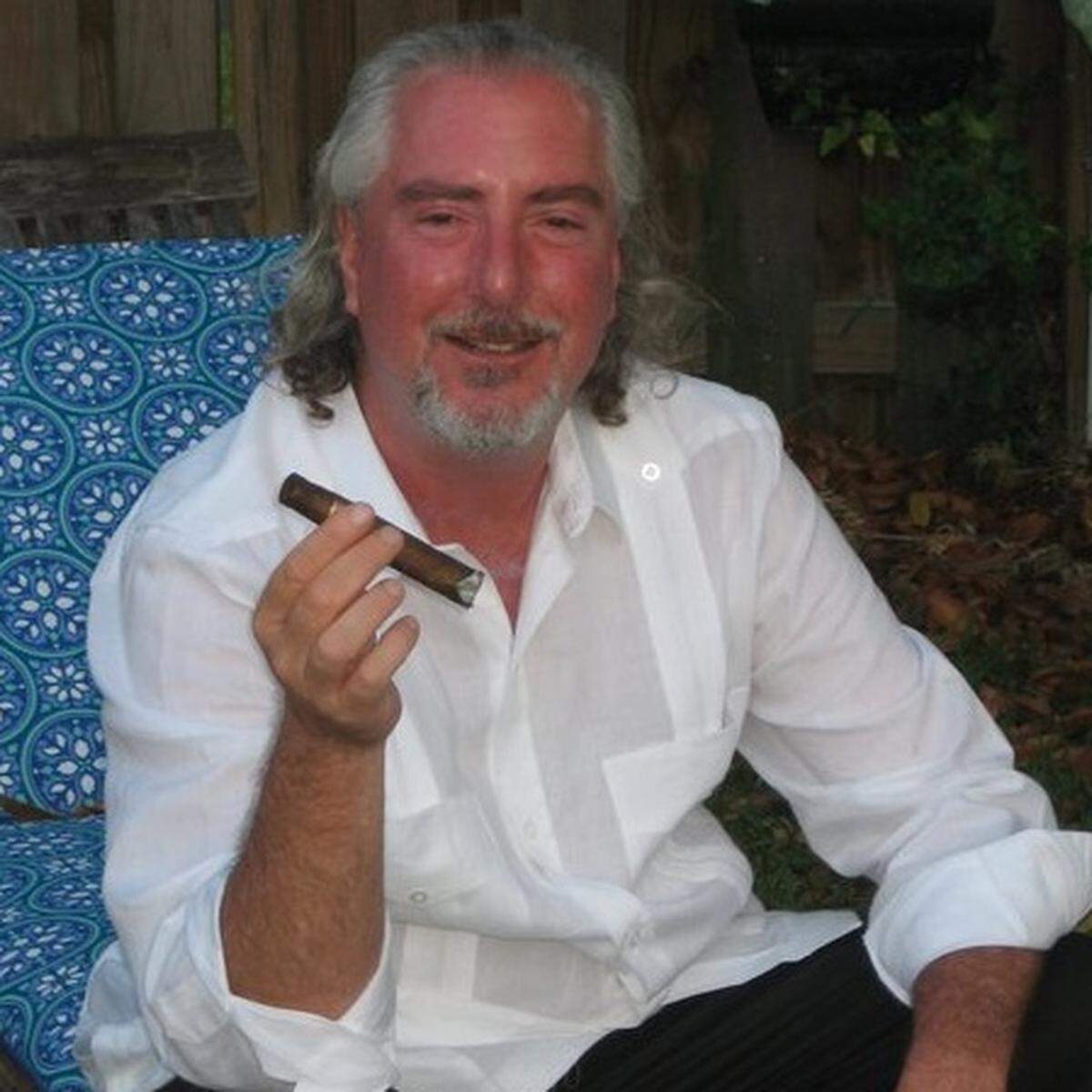
He was killed 5 years ago by a Miami officer. Now, the city will pay his family $300,000.
Five years ago, a veteran Miami cop training a rookie officer encountered a homeless man in a city park packed with dozens of kids. Officer Antonio Torres said Fritz Severe refused repeated orders to put down a pipe he was holding. Torres shot and killed Severe as kids in Overtown’s Gibson Park scrambled to safety.
On Monday, Miami city commissioners quickly, and quietly, agreed to pay Severe’s family $300,000, settling a lengthy civil-rights lawsuit brought by the dead man’s parents.
Torres, who at the time of the shooting had recovered from a devastating motorcycle injury that fractured his skull and left him with heart damage, was never disciplined or charged with a crime. Three years after the shooting, Torres suffered another severe motorcycle crash in which he lost a leg. He retired from the police department in 2018.
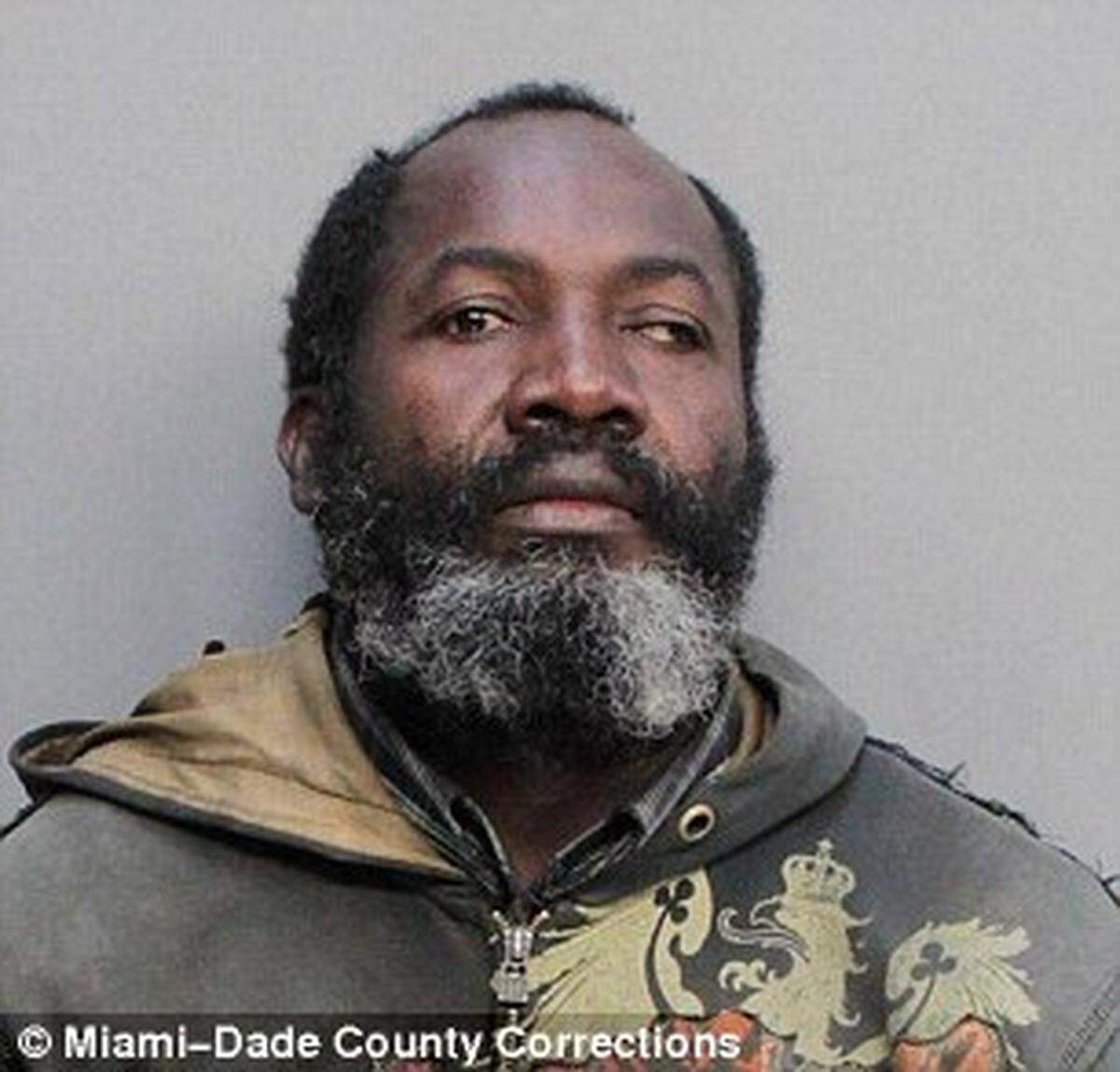
Who was Severe?
“He was a semi-homeless guy, who stayed sometimes with his parents. He was at the park, as he usually was. He had a daily routine,” said family attorney Rick Diaz. Torres “decided to engage the guy. He was walking away from officers, and Torres fired 10 rounds. He struck him 10 times.”
The city — which reached an entirely different conclusion on the shooting — chose not to comment on the settlement.
Severe was killed in June 2015. Torres and a rookie cop he was training at the time were called to the park near the Culmer Overtown branch library at Gibson Park. A summer youth program leader said Severe had cursed and threatened him after being asked to move from the bleachers. The worker was escorting kids to play in a field there.
When Torres arrived, state attorney investigators said, they encountered Severe as he was trying to enter the library. Torres was wearing civilian clothing with a police shirt. The rookie was dressed in his uniform. The officers told Severe to put down a three-foot metal pipe he was carrying. Severe, investigators said, refused and approached the officers, swinging it from side to side.
Both officers drew their weapons. The rookie re-holstered and grabbed his Taser. But, investigators determined, as Severe got within two feet of them, he was still wielding the pipe. Torres fired and killed him.
Witnesses told investigators Severe was holding the pipe “like a baseball bat,” according to the state attorney’s close-out memo, which found the shooting justified.
Torres, according to investigators, said, “Don’t make me do it, sir. Don’t make me do it,” before firing his weapon.
In a memo from March 2016, the State Attorney’s Office cleared Torres of wrongdoing, saying that Florida statutes permit a law enforcement officer “to use any force that he believes is necessary to defend himself or another from bodily harm while making an arrest.”
Diaz’s investigation, however, reached a different conclusion. Testing the the same weapon used by Torres, a .40 caliber Glock handgun, Diaz and his investigators determined that the shell casings found at the scene were between 25 and 32 feet from Severe when he was killed. And through witness testimony and bloodstains, they determined that Severe fell to the ground almost exactly where he was shot.
Remarkably, according to Diaz, all 10 of Torres’ shots struck Severe, even from as far away as 32 feet. He was struck six times on the side and four more in the back of his body.
When a mediator cleared the city of wrongdoing, Miami decided to offer a settlement on behalf of its officer. Diaz said he strongly recommended that Severe’s parents, Francois and Adele Severe, hold out for a significantly larger payday. But the family of little means, residents of the Little Haiti area, decided to accept the city’s proposal.
“He was walking away from the officers,” Diaz said. “And Torres fired 10 rounds, striking him 10 times. There were no frontal entry wounds.”
This story was originally published February 24, 2020 at 1:48 PM.