Remembering Martin Luther King Jr.: ‘I had so much belief in that dream’
As the nation honors the Rev. Martin Luther King Jr., we are reminded anew of the lasting legacy left by the Baptist preacher who, in the face of fire hoses and burning crosses, preached a powerful message of rising up peacefully, calling for a world where our character, not skin color, would be the defining mark in one’s life.
King’s time was short. He led the movement from the 1955 Montgomery bus boycott — sparked by Rosa Parks’ refusal to relinquish her seat to a white man — to 1968 when an assassin’s bullet killed him on a motel balcony in Memphis on April 4.
King, born in Atlanta on Jan. 15, 1929, was only 39.
But early on, the 1964 Nobel Peace Prize recipient found his voice, rooted in nonviolence and peaceful protest. King was the first president of the Southern Christian Leadership Conference, established in 1957 to guide the fledgling American civil rights movement. King built the conference on a foundation laid from the Bible and the non-violence message of Mahatma Gandhi.
Nowhere was this more evident than King’s Aug. 28, 1963, March on Washington, where more than 200,000 descended on the nation’s capital and heard King, from the steps of the Lincoln Memorial, intone his “I Have a Dream” speech, a dream, where “the sons of former slaves and the sons of former slave owners will be able to sit down together at the table of brotherhood.”
Ninety-one years after King’s birth and nearly 52 years after his death, countless lives have been molded by King’s message.
Miami historian Dorothy Jenkins Fields learned the power of persistence marching with King as he pushed to desegregate the restaurant and fitting rooms of Rich’s Department Store in Atlanta.
Miami-Dade County Judge Miesha Darrough was so inspired by King she sought a career in law to effect change.
And civic leader Matthew Beatty learned that planting seeds for future generations is a noble life’s work.
Here are their stories and those of other South Floridians who were shaped by the Birmingham preacher whose dream burns brightly nearly 57 years later.
A close-up lesson from King

Failing a reading test provided Dorothy Jenkins Fields with quite the opportunity.
As the founder of the Black Archives, History and Research Foundation of South Florida explains, in the fall of 1960 Fields was a freshman at Spelman College in Atlanta, the country’s oldest black private liberal arts college for women. Because she had been assigned to a remedial class, she was placed with “no-nonsense” teacher Christine King Farris — the Rev. Martin Luther King Jr.’s sister.
Farris offered her students extra credit if they agreed to help her brother, a pastor living in Montgomery, Alabama, on the weekends.
King was traveling to Atlanta regularly to protest how Rich’s Department Store, then the premier department store in the Southeast, would not let blacks dine in its restaurant or try on clothes in its fitting rooms.
The students from Spelman and other colleges would meet up with him at Rush Memorial Congregational Church, part of Clark Atlanta University.
“He would lead the march and when we got there, there would be the Ku Klux Klan in full regalia,’’ Fields recalled. “We were so afraid but Dr. King would say, ‘Keep walking, keep walking.’ And it was always in silence. We would never say a word.”
The Klan had a counter march on the other sidewalk.
“When we got to the corner, they would push us out in the street and the guys from Morehouse and Clark [colleges] and Atlanta University would try to catch us so we wouldn’t be pushed into the street,” Fields said. “The Klan also carried bowling balls in large brown shopping bags and they would get close to us and swing the bag to try and hit us. I heard one of them say, ‘We’re killing the next generation.’ ”
When the students got back to class, they found a cross burning on the Spelman campus.
“After the march, even with all the Klan, Dr. King would say, ‘With silence and prayer we shall overcome.’ And we believed him.”
Fields said those marches taught her quite a bit.
“That you don’t give up when you are fighting for something you truly believe in,” she said. “You must continue.”
— HOWARD COHEN
King’s Special Place in Miami
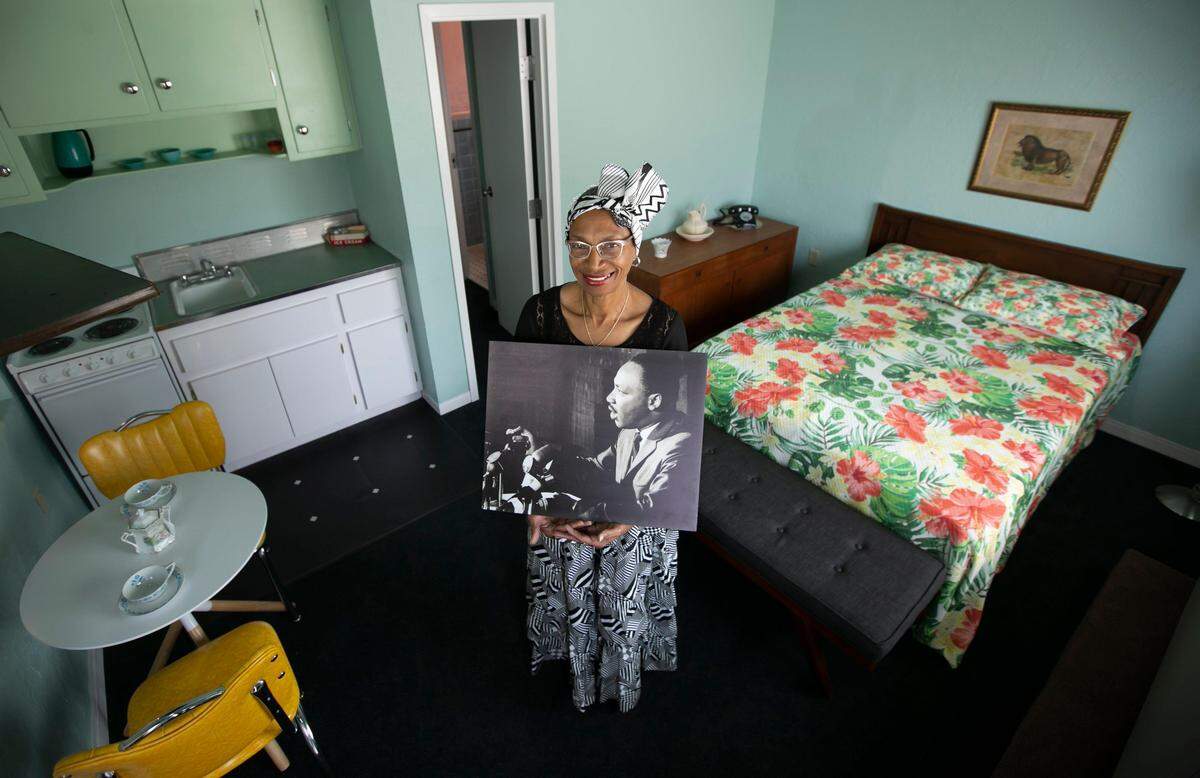
Charlayne Thompkins enjoys a physical connection to King’s legacy in the Miami area. She regularly leads tours through the motel room that King called home during trips through South Florida in the 1960s, sleeping quarters that are now showcased at the renovated Historic Hampton House center.
“They get goosebumps in the room,” Thompkins said. “They can feel his presence.”
The Hampton House, which reopened as a nonprofit museum and community center in 2015, was the premier destination for black Americans visiting segregated Miami in the 1960s, when only white guests were welcome at the popular hotels on the beach. King met with local civil rights organizers at Hampton House and used his regular room on the first floor as a quiet place to write.
“He was working on a speech in his room, and he wanted everyone to sit down and listen to it,” Thompkins said, recalling a story of King that was shared during the Hampton House’s oral history project. “It was the ‘I Have a Dream’ speech. So he dreamt the dream here.”
— DOUGLAS HANKS
Planting seeds for future generations
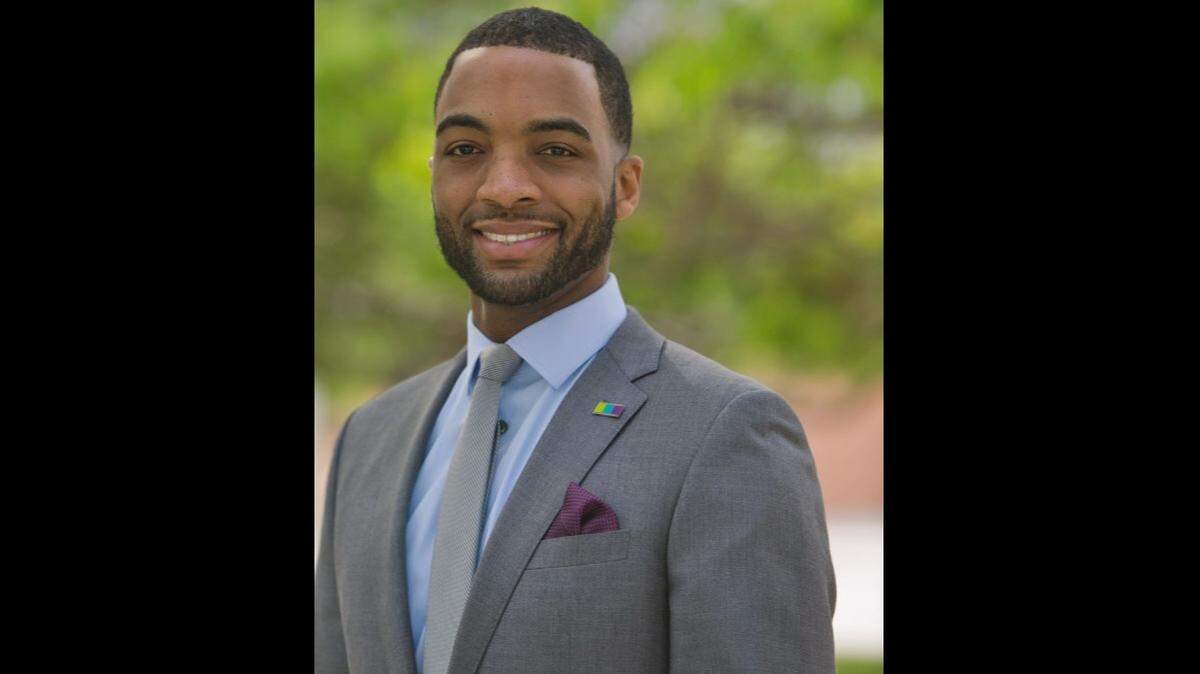
Born and raised in Miami, Matthew Beatty, the 36-year-old son of Robert and Priscilla Beatty, continued his family’s mission to make Miami a more hospitable place. For seven years he’s been the senior director of communications and engagement for The Miami Foundation, a civic leadership nonprofit that created Give Miami Day.
“I encourage local residents and organizations to join the Foundation’s work to create equitable opportunities for all Miamians, make Miami-Dade County more resilient and support home-grown creatives,” Beatty said.
The main lesson Beatty learned from King?
“Dr. King showed me that every person has to do their part in the struggle for equity and justice,” he said. “You need people marching in the streets, legislating in the halls of government, writing checks to organizations, teaching in classrooms, setting corporate policy in boardrooms. His movement was not confined to any one strategy, and neither should ours today.”
Nearly 52 years after his death, the clarion call of King still resonates with Beatty.
“Dr. King is a constant reminder that while I may not see my work yield fruit in my lifetime, I’m planting seeds and future generations will live better lives in our community, because as he perfectly paraphrased, ‘The arc of the moral universe is long, but it bends toward justice.’ ”
— HOWARD COHEN
A question of focus

Delrish Moss is a captain at the Florida International University Police Department, who formerly served as police chief in Ferguson, Missouri, and who was a longtime leader in the Miami Police Department’s community relations office.
Moss said the main lesson he learned from King was a simple one: It’s better to focus on the immorality of a bad deed than the person who committed the act.
Focusing on the bad actor, Moss said, “puts them on the offensive and you can’t move forward. It’s impacted the way I’ve dealt with people most of my life.”
— CHARLES RABIN
Starting the conversation
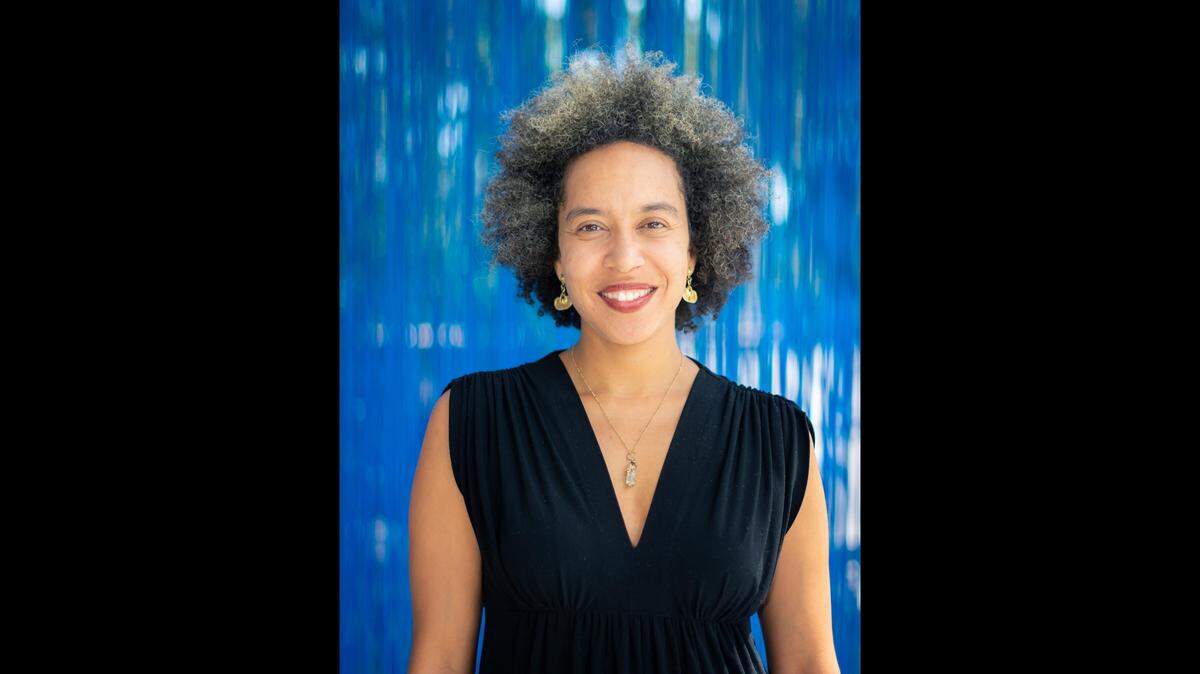
Marie Vickles, an art education specialist at PAMM, relies on King’s principle that true equality comes with deep understanding of other humans, regardless of their race or class.
“People were fighting for equal treatment in the most basic of ways, and that took imagination to say, ‘I know we can do better. I can envision what that looks like.’
“With art, it’s the same thing. Art just opens up a path for conversation, for empathy.”
Vickles runs a PAMM program that connects Miami youth with police officers, where they create art together and discuss issues like racist policing or police brutality. In one memorable iteration of the program, she showed the officers and kids a piece by Arthur Jafa called “Love is the Message, the Message is Death.”
Set to Kanye West’s “Ultralight Beam,” Jafa’s video is a digital collage of found footage that traces the history of African-American identity through images of joyful triumph and horrendous violence.
Vickles said it was beautiful and hard to watch, but it sparked a heartfelt conversation between the police officers and kids.
“That’s where it starts, dialogue. Imagining that we can move past this and create a better world,” she said.
— ALEX HARRIS
A pursuit of social justice
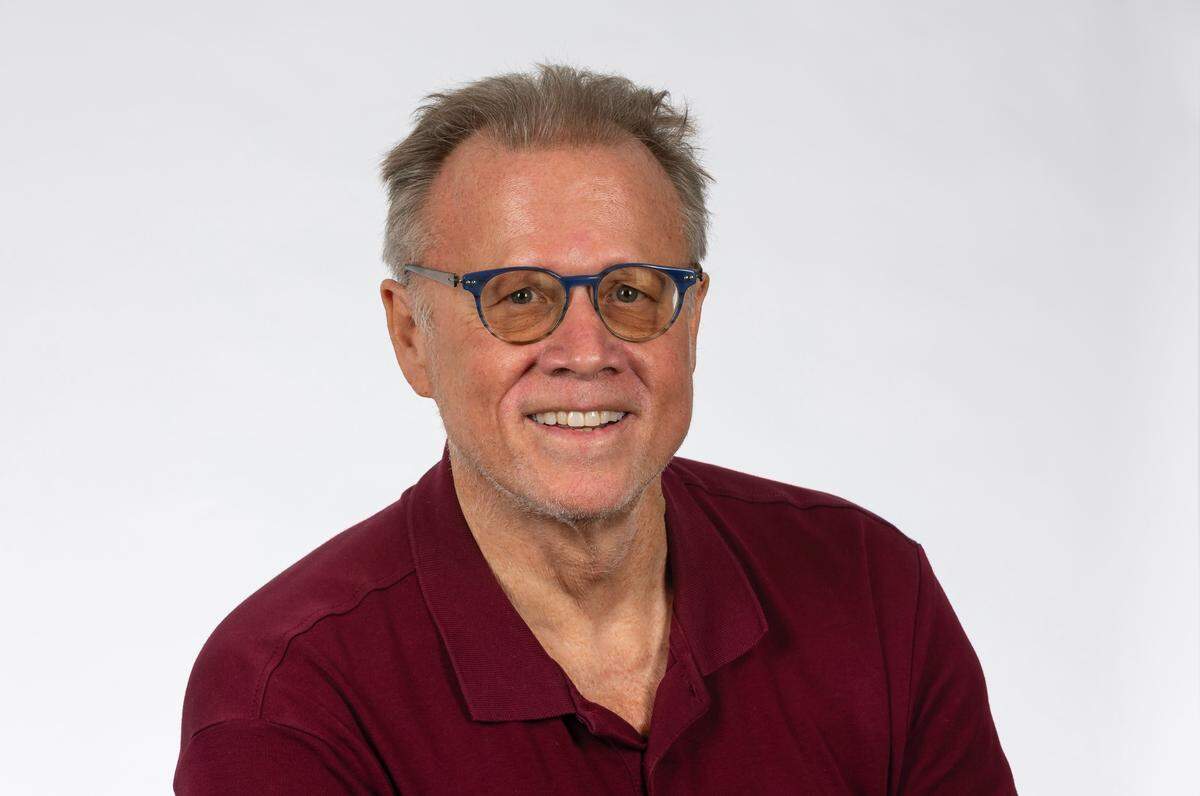
.jpg "HowardSimonheadshot1 (1).jpg")
Howard Simon devoted his life to pursuing social justice for countless Americans during his 44-year career with the American Civil Liberties Union. He retired as its executive director after the November 2018 election and passage of Amendment 4, which restored felon voting rights.
King’s words and deeds propelled Simon on this lifelong journey as a young man working for civil rights in the South.
“It was not just being in the presence of Dr. Martin Luther King, Jr. — working the mimeograph machine in the basement of Brown Chapel in Selma, or sitting in the pews listening to his stirring words, or being moved by the eloquence of the speech he delivered on the steps of the Alabama State Capitol at the conclusion of the 54-mile march to Montgomery with, as we learned later, Gov. George Wallace glaring down.
“It was his moral teaching that we are all intertwined in one society, that each of us honor our duty to — individually or as part of a movement — pursue social justice. ... The power of his words and his leadership set my course. They led to a 44-year career fighting for civil liberties and civil rights, especially the right to vote — which, 56 years ago, is what Selma was all about.”
— JAY WEAVER
Equal protection for all
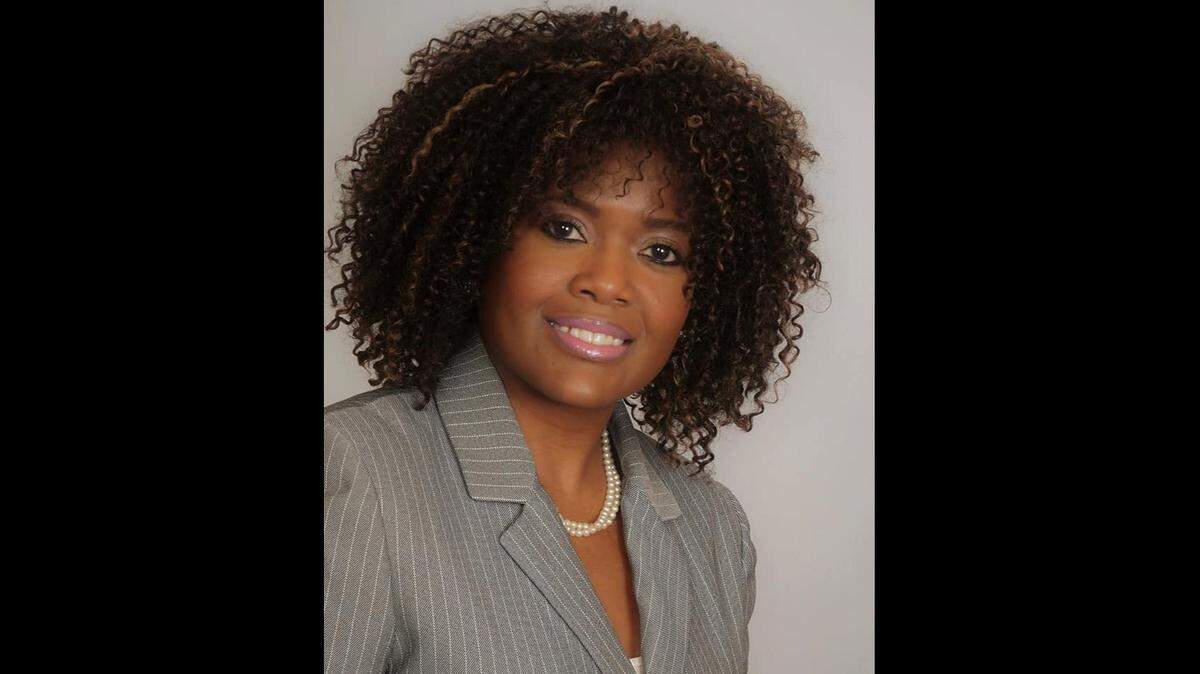
Miami-Dade County Judge Miesha Darrough said growing up, she was inspired by King’s ‘I Have a Dream” speech.
Darrough, a former Miami-Dade state and federal prosecutor, was appointed to the bench last month. She was one of three African-American lawyers named as judges in Miami in December.
“Being equal means everyone should have equal protection under the law and access to justice,” Darrough said.
“MLK’s message and story taught me at a young age to value and revere the opportunity to be of service to others. I have spent my career working to ensure that everyone — regardless of race, religion, national origin, sex, familial status or disability — has equal protection under the law and access to justice.”
— DAVID OVALLE
‘I had so much belief in that dream’
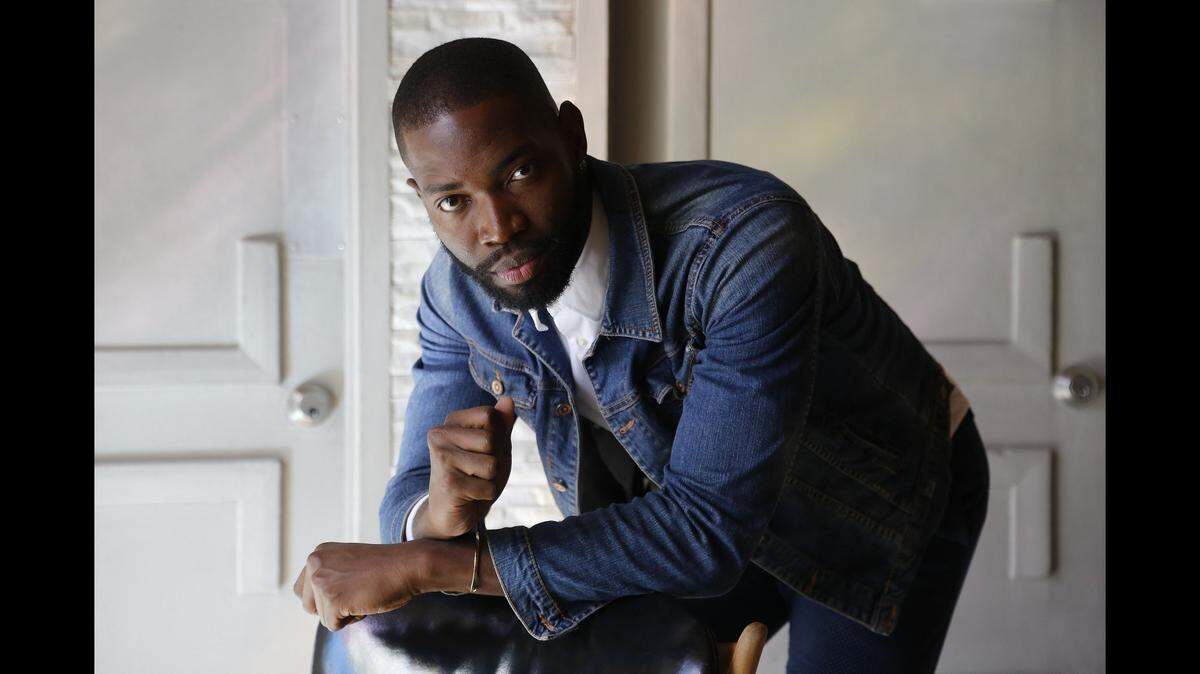
Tarell McCraney was in first grade when a Miami Herald reporter first asked him about MLK’s legacy.
“Half of his dream has come true,” said 7-year-old McCraney at the time. “Most people have gone to college and more people have gotten jobs and houses, and black people have gone to white people’s beaches.”
But, he added, “people, they fight instead of sitting down and discussing. Dr. Martin Luther King didn’t want that to happen. He wanted everybody to love each other. That’s the half of the dream that has not come true.”
More than 30 years later, the view of McCraney, the Oscar-winning screenwriter behind “Moonlight,” hasn’t changed. When he thinks of King today, he can’t help but remember that 7-year-old.
“I had so much belief in that dream,” McCraney said, “that all we had to do is work hard and try peace and it could happen.
“That kid was so smart.”
— C. ISAIAH SMALLS II
Following in King’s footsteps

Udonis Haslem is known for his accomplishments on the court. In his 17th season with the Miami Heat, he has won three NBA championships and is the franchise’s all-time leading rebounder.
But the Miami native has also accomplished some impressive things off the court. Haslem has been helping to open restaurants around the community, creating jobs for unemployed candidates from low-income families.
Haslem pointed to Dr. King’s influence as one of the driving forces behind his off-the-court mission. And as Haslem takes on more of a leadership role in this late stage of his playing career, King’s influence can be felt on the court, too.
“I live my life for others,” Haslem said. “I try to lead by example, try to be a leader, try to bring people along with me on my journey. I’ve been successful in a lot of different areas that I probably never imagined in my wildest dreams. I think it’s my duty to give back to these young guys on and off the basketball court — about business, about basketball, about family, about life, about being a professional in any shape, form or fashion.
“That’s what Dr. King did. Obviously, he led, he sacrificed. It might have cost him in the end, but I think his message and his dream lives on.”
— ANTHONY CHIANG
A vision of a beloved community
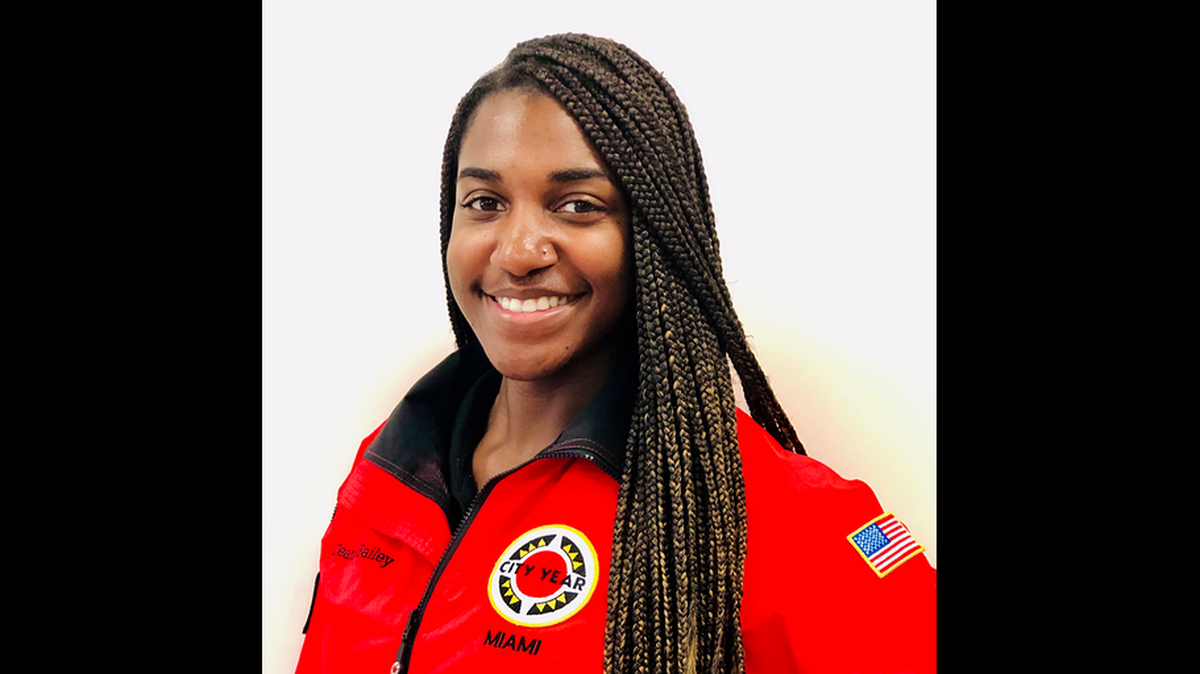
King preached often of a “beloved community” — a diverse, interconnected community that recognizes how individual well-being is linked to the well-being of others.
That’s the goal of City Year, a nonprofit organization that places young adults and college students on a gap year into struggling schools around the nation as “student success coaches” to help create an equitable learning environment. It’s what drew Deanna Bailey to the program — and how she wound up in Miami.
Bailey, a City Year team leader at Miami Norland Senior High, will spend Monday painting murals at South Hialeah Elementary as part of City Year’s annual Dr. MLK Day of Service.
“This isn’t something new to me. This isn’t a test,” said Bailey, 25. “This is something normal. I can see the effect [King] has on other people. This really excites me.”
Bailey has been volunteering on the King holiday since she was a little girl in her hometown of Macon, Georgia. Now, service has become her full-time job. This is her second year in a City Year program; she spent her first year in Los Angeles.
“I feel like there should be a point in everyone’s life where you have to put yourself aside,” Bailey said. “After you observe, you can go in and see what you can change for the better.”
— COLLEEN WRIGHT
A key lesson from a Selma marcher
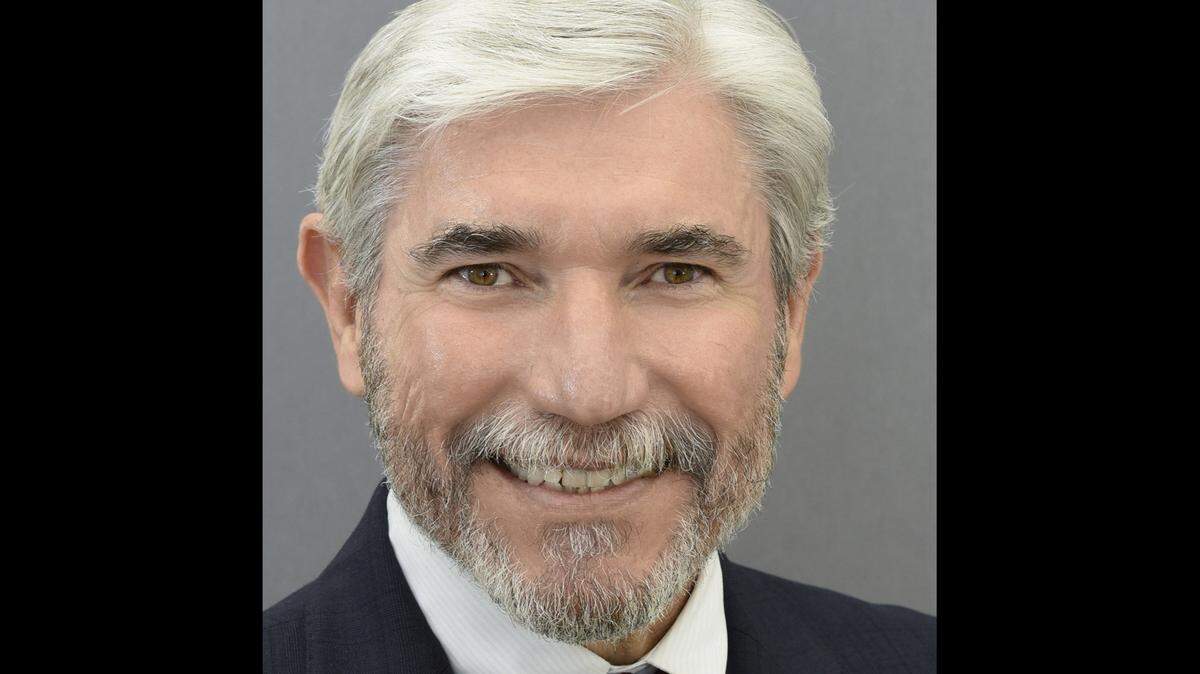
Jacob Solomon, president and CEO of the Greater Miami Jewish Federation, remembers going to civil rights rallies with his mother in rural Pennsylvania in the 1960s.
“As a Jew who came of age in the 1960s, I was always intensely proud of the deep involvement of Jews involved in the civil rights movement,” Solomon said. “I cherished the close relationship between the Jewish community and the African American community.”
Especially poignant, he said: The relationship between Abraham Joshua Heschel and Dr. King.
Heschel walked arm-in-arm with King in the bloody 1965 march from Selma to Montgomery, in pursuit of voting rights for African Americans.
“He wrote a letter to Dr. King after the march, ‘Even without words, our march was worship. I felt my legs were praying,’ ” he said. “Those words seared my soul then and they continue to today.”
Solomon said the federation continues to honor King’s legacy with a Teen Day of Service held yearly on Martin Luther King Day.
“Anyone who dedicates themselves to activism and social justice is a role model that I think inspires us all,” Solomon said.
— CARLI TEPROFF
Inspiring him to go beyond
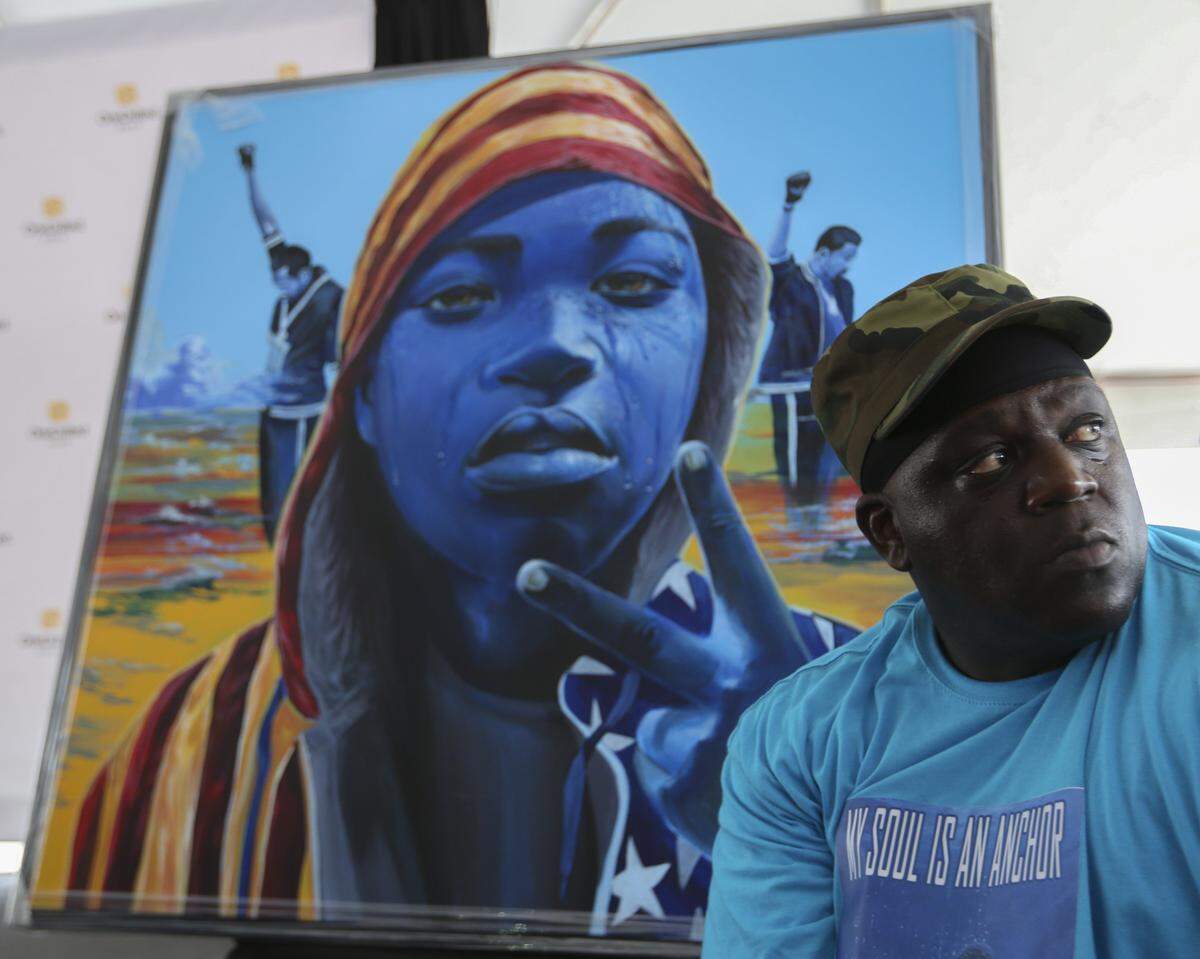
The murals and paintings of artist Addonis Parker, some of which feature Dr. King, adorning buildings and hallways around South Florida, aren’t designed for quick, easy visual consumption. Just as Parker wants you to slow down and take in the whole of his pieces, he’d like people to slow down and take in the whole of Martin Luther King.
“He got radical before he died,” Parker said. “If you put on some of his later speeches and didn’t know it was him, you’d think it was Malcolm X. Like Malcolm, during the latter part of his life, he changed his perspective.
“His intellectual evolution inspired me for the simple fact of what he allowed God to do for him. He accepted what was given him and he made more of it. That’s what I’ve done. I didn’t start with anything. Now, I’m a business owner.”
King’s way of shining a light on the downtrodden and serving others strikes the bones of Parker, an art teacher as well as an artist.
“I’d rather paint a Louis Latimer, a George Washington Carver, a Madame C.J. Walker and inspire you to find out who they are. Especially now that you can take a picture, put it in Google and find information.”
— DAVID J. NEAL
A painful realization
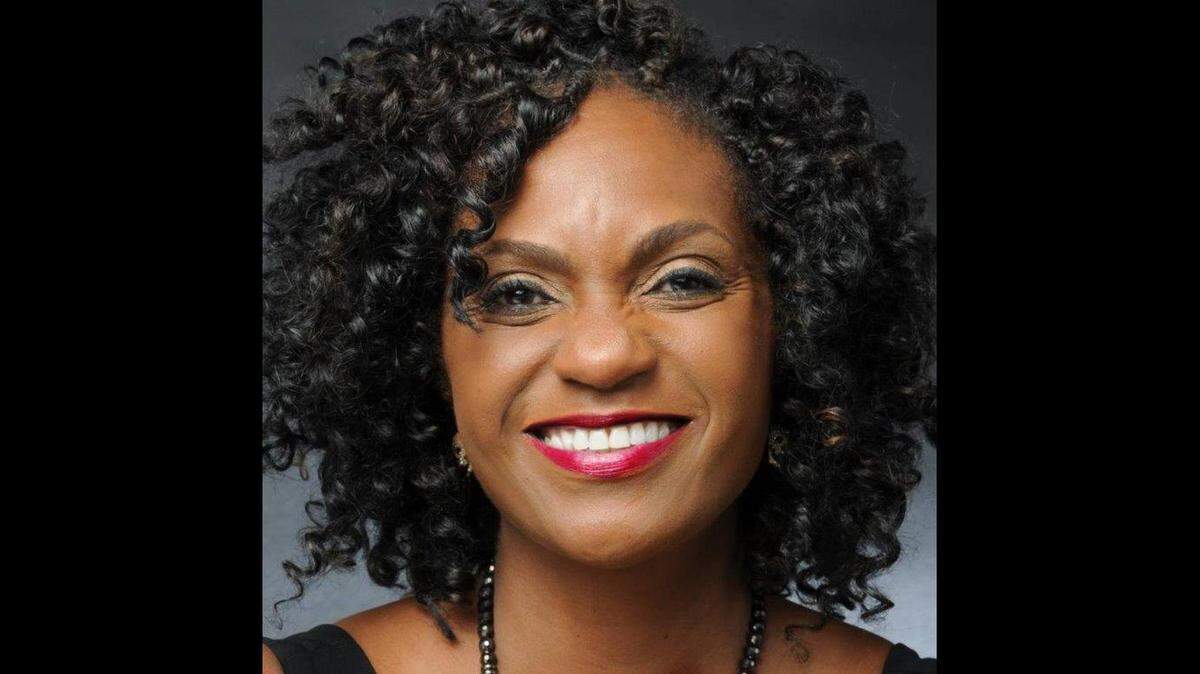
Suzan McDowell, president and CEO of Circle of One Marketing, grew up in Jamaica, where King was idolized.
“To Jamaicans, Martin Luther King was not an anomaly,’’ she said. “He was a brilliant, courageous, boss black man that moved around America like a king.’’
In the second part of her childhood, McDowell moved to San Antonio with her family.
“It was in America that I Iearned I was black and black people were not treated well and the system was rigged against us,’’ she said. “I experienced it firsthand from the moment I started school.
“It was then, growing up in two completely different societies, that I realized how remarkable it was for him to work toward and become the spokesperson for the dream of justice for all. It’s the dream we were promised, and a dream black America is still chasing today.”
— ROB WILE
King’s religious roots
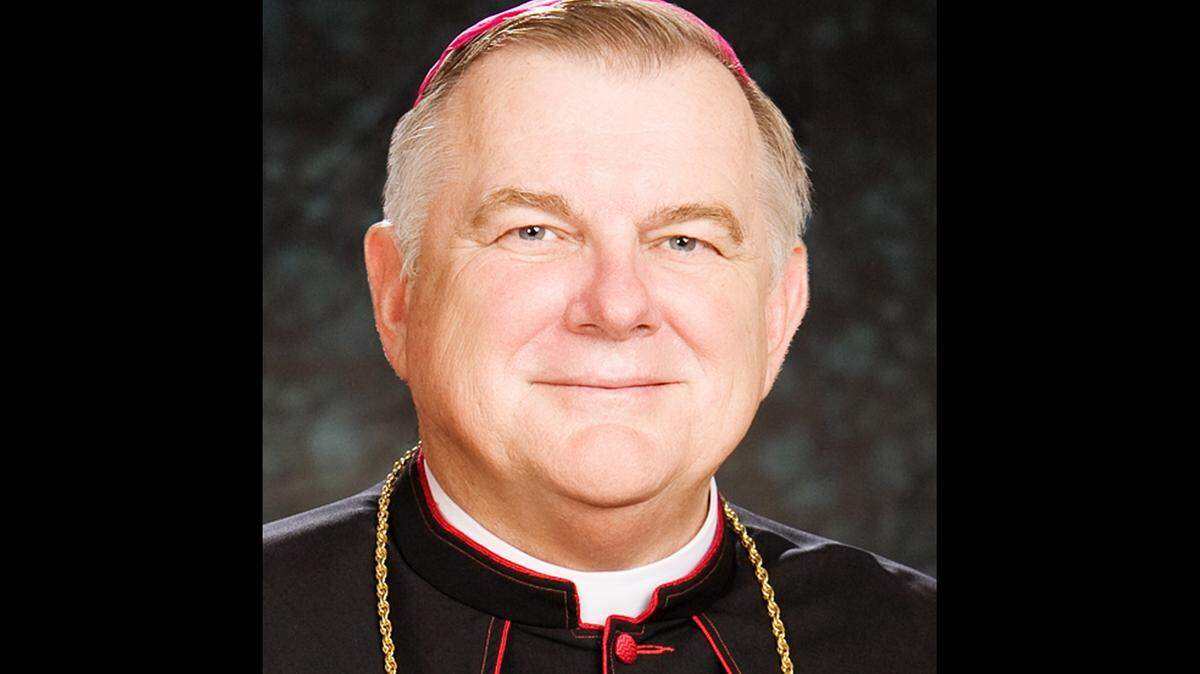
For the 18 years Miami Archbishop Thomas Wenski worked as a parish priest in Little Haiti, he lived on a street named Dr. Martin Luther King Jr. Boulevard (Northeast 62nd Street). About 20 blocks west was Liberty City’s Metrorail Station, he recalled.
“And there, emblazoned on a wall, is a quote from Dr. King, which should still guide us today: ‘Any man can be great because every man can serve,’ ” said Wenski.
“Dr. Martin Luther King Jr. made America better,” Wenski said. “He was a great man because he served. If America’s ‘promissory note’ of liberty and justice for all is to be fully redeemed, each one of us must aspire to greatness by committing ourselves to service.”
And, said Wenski, never forget King’s religious roots.
“Today, those who argue that religion has no place in the public square forget that the civil rights movement was in its inspiration and its membership a religious movement,” Wenski told the Herald. “Dr. King was a Baptist preacher and those who marched with him marched as men and women of faith. Like the Old Testament prophets, he refused to remain silent in the face of evil.”
—JOAN CHRISSOS
Studying King’s life
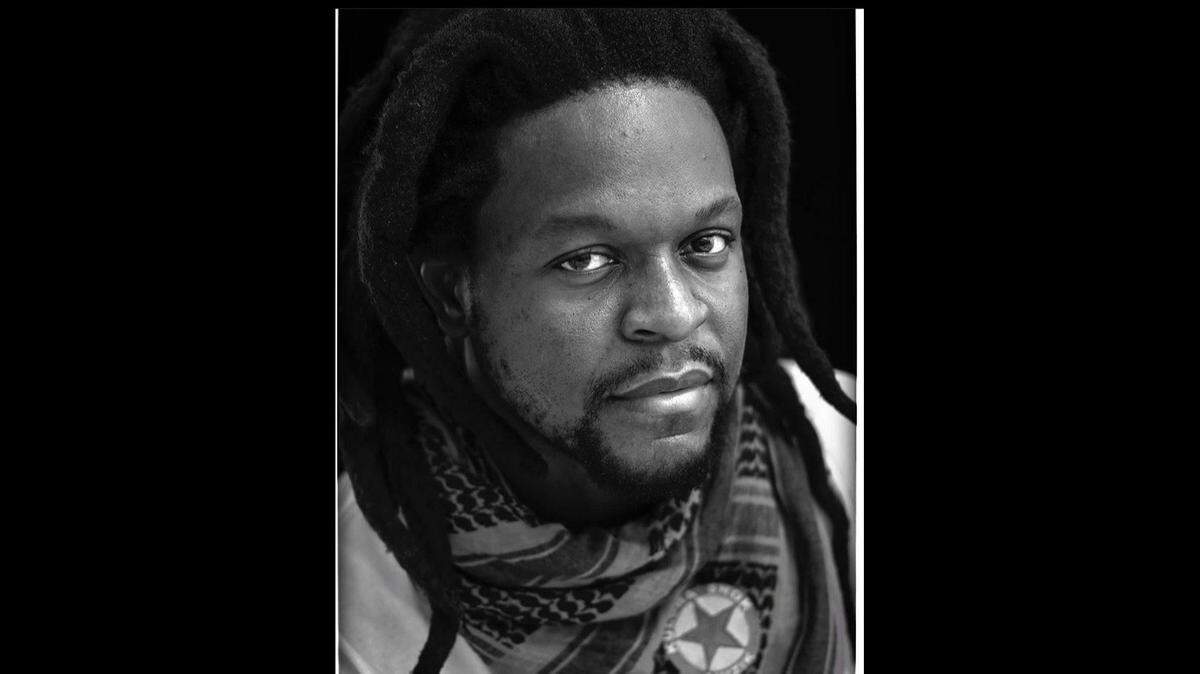
In 2007, Haitian photojournalist Woosler Delisfort received a simple instruction: Study the last three years of MLK’s life. Doing so only increased his admiration for the civil rights leader.
“His fight was not just for the people of the South,” Delisfort said. “It was more global.”
King’s message inspired Delisfort. To be so young yet willing to fight for those living thousands of miles away was mind-blowing, he says.
“He viewed humanity first before anything else.”
— C. ISAIAH SMALLS II
This story was originally published January 20, 2020 at 6:00 AM.