
Broward man’s Tesla turned into burning ‘death trap,’ lawsuit claims. Door wouldn’t open
After Broward doctor Omar Awan crashed his Tesla into a palm tree, he tried to escape as the car’s battery caught on fire and flames engulfed the vehicle. A police officer and bystanders were quickly on the scene — but no one could open the car doors. The retractable door handles remained locked in place and failed to “auto-present.”
The sleek but flawed design features of the Tesla Model S had made the car a “death trap,” according to a lawsuit filed by Awan’s family against Tesla earlier this month.
Awan’s car veered onto the grassy swale along a stretch of Flamingo Road in Davie on Feb. 24 in the late afternoon, according to a report from the Broward Medical Examiner’s office. A traffic investigator estimated that Awan was traveling about 75 mph in a 50 mph zone and that he then overcorrected, causing the vehicle to swing across three lanes, jump a curb and strike several palm trees in the median.
The county’s autopsy report found that Awan survived the initial impact. But the car immediately burst into flames, according to a police officer who witnessed the accident, and Awan suffocated to death from the smoke, while his body later charred in the fire, the autopsy stated.
The family’s lawsuit blames the Tesla’s design — “the Model S has inaccessible door handles, no other way to open the doors, and an unreasonably dangerous fire risk.”
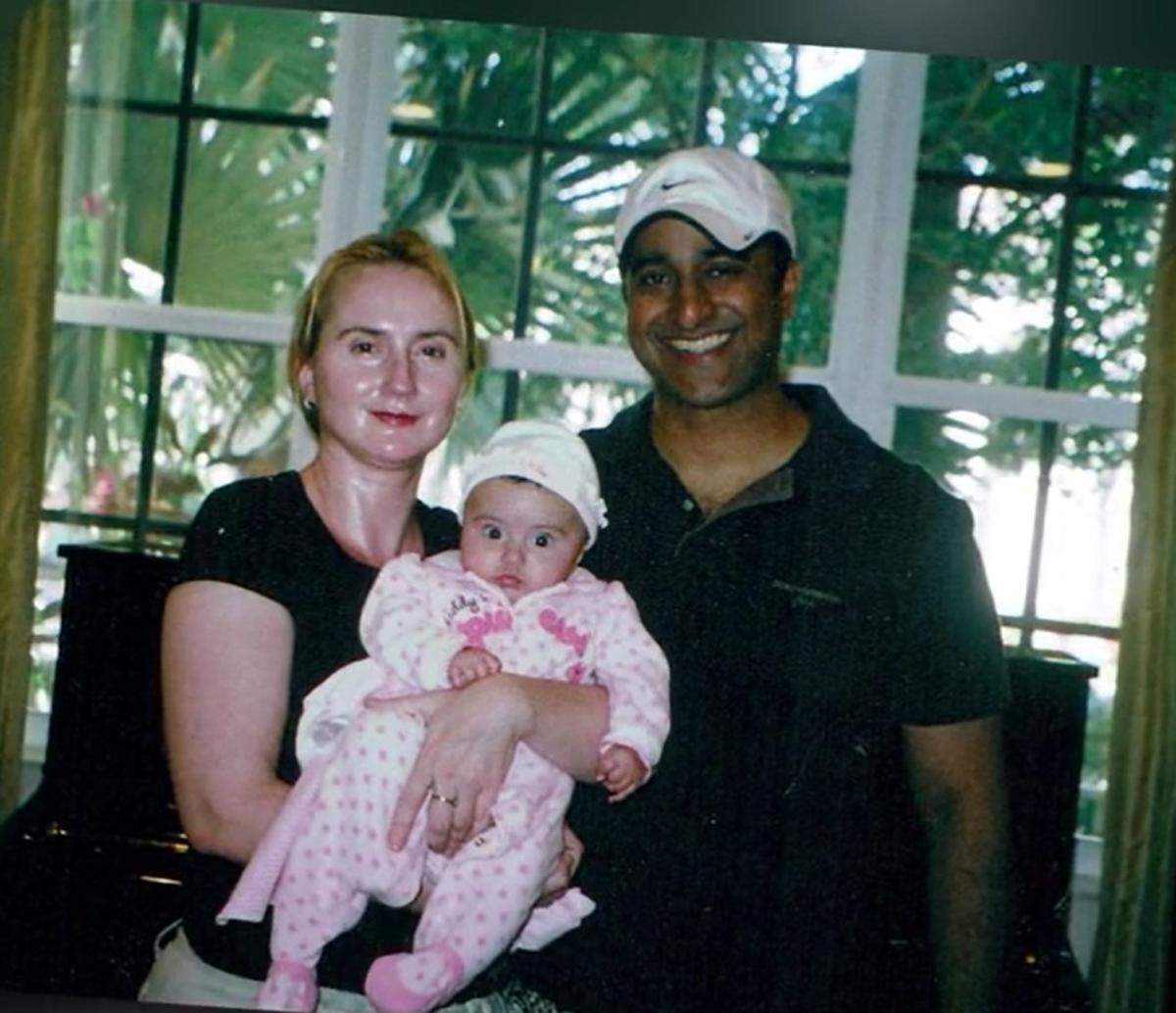
Awan, a 41-year-old anesthesiologist, left behind his wife and five children, ages 6 to 17, who are seeking wrongful death damages.
In 2013, Tesla bragged that its Model S received “the best safety rating of any car ever tested” from the National Highway Traffic Safety Administration.
“How the hell do you justify advertising a car that is supposed to be among the safest vehicles in the world?” said the family’s lawyer Stuart Grossman. “It’s anything but industry standard. The door handle has got to function for God sakes.”
The Model S, first introduced in 2012, was “not crashworthy,” the door locks were “defective,” and the battery was “inherently unstable,” among other problems with the car, according to the lawsuit.
Tesla did not respond to requests for comment from the Miami Herald or The Washington Post, which reported the lawsuit Wednesday.
This is far from the first allegation of design problems that Tesla’s products have faced. Earlier this month, the U.S. National Highway Traffic Safety Administration opened an investigation into Model S and X battery packs, following a petition that the company tried to “cover-up” the issues.
Electric-powered vehicles like Teslas use lithium-ion batteries, which have greater energy density than gas-powered car batteries and can be more prone to overheat and catch fire. Combustible batteries have been plaguing Tesla products as far back as 2013.
The families of two Fort Lauderdale teenagers killed last year in a fire following a Tesla crash have also filed lawsuits against the company. Their Tesla had been traveling at 116 mph.
Allegations of design flaws have not dampened enthusiasm for the Tesla in everyone. Larry Chanin, president of the Florida Tesla Enthusiasts, expressed regret at the loss of lives but noted that in the cases of both Awan and the teenagers, they had “reckless driving at extreme speed” as the cause of the accidents.
“Regardless of what type of car we drive, we all need to take responsibility for driving safely,” Chanin said. “These lawsuits, for apparent reasons, deliberately avoid this important point and assign absolutely no responsibility to the drivers, who not only tragically endangered themselves, and their passengers, but innocent bystanders as well.”
The 2016 blue four-door Tesla Model S that Awan leased from a dealership in Dania Beach had been his dream car, according to his lawyer. Awan appreciated the fact that the car was environmentally friendly. This week, Telsa CEO Elon Musk told investors the company continues to produce the Model S for mostly “sentimental reasons.”
Grossman said that the concerns with the Model S draw into question the safety of the rest of Tesla’s fleet and warned consumers against using the company’s cars.
“Beware,” he said. “Don’t purchase a vehicle that freezes you in and catches fire.”
This story was originally published October 25, 2019 at 10:19 AM.