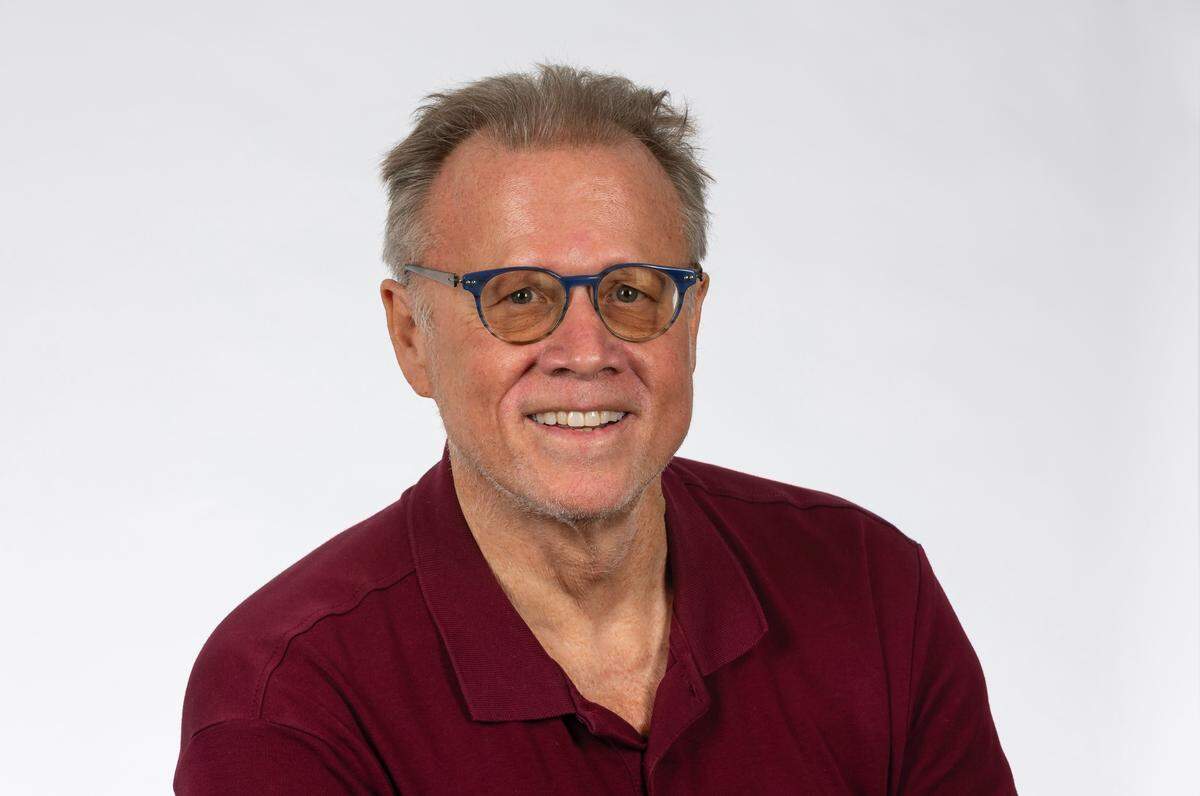
She’s ‘in a race against time’ to rescue Holocaust evidence
The U.S. Holocaust Memorial Museum in Washington has named its first acquisitions curator devoted to rescuing, gathering and preserving the evidence of the Holocaust that she can find in South Florida.
For Aimee Rubensteen, who has worked as the Florida-based acquisitions curator since April, the announcement that she will be responsible for meeting with survivors and their descendants is a major opportunity.
And a big responsibility.
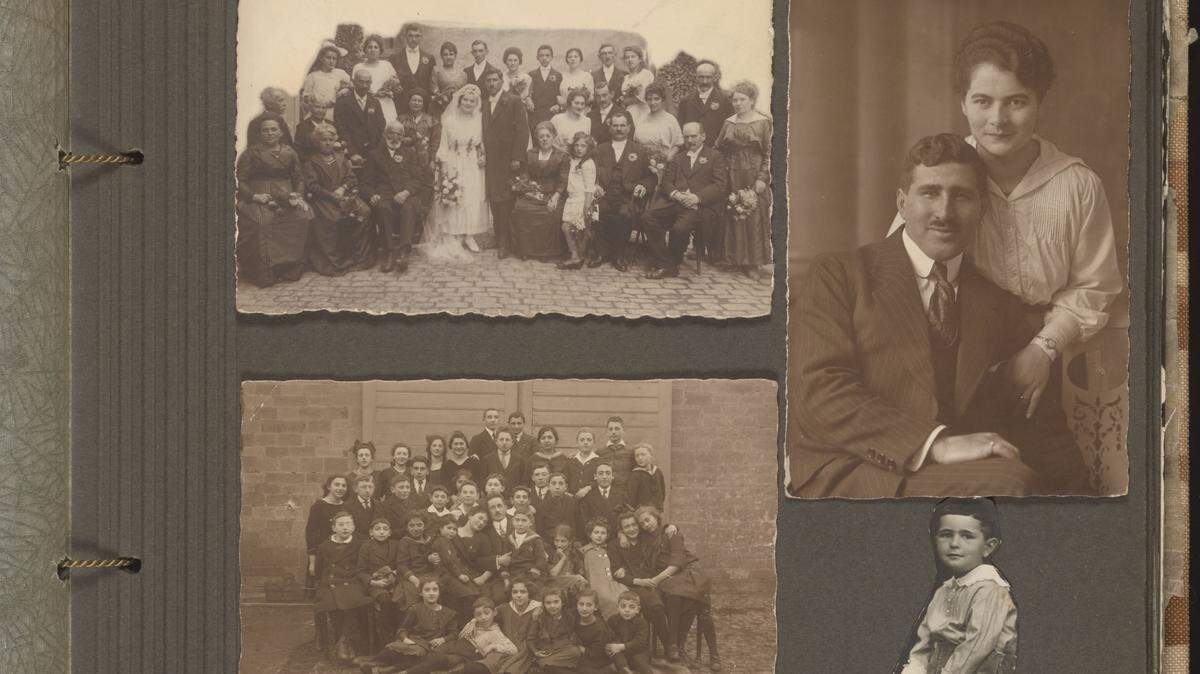
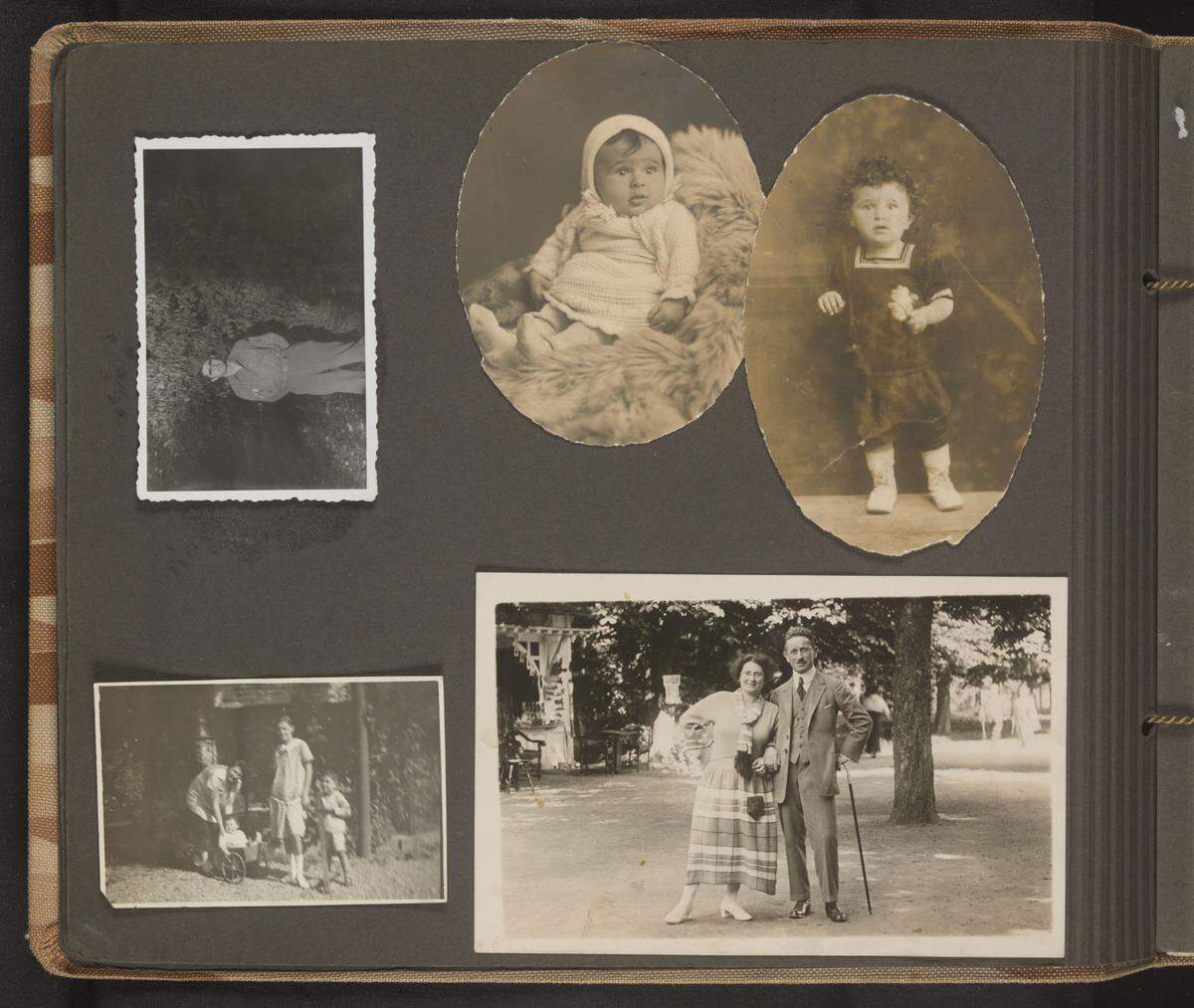
“As a grandchild of Holocaust survivors, I understand that the materials that were saved from life before, during and after the war are precious,” Rubensteen said. “For many survivors and their descendants, the family photographs, immigration paperwork, and handwritten letters hold a very personal and special, sometimes even sacred, meaning.”
.jpeg "image1 (1).jpeg")
But, as she notes, “objects, especially fragile materials and papers from the 1930s and ‘40s, age just like people do. Over time, it will be harder to read the ink that is fading on those handwritten letters and passports. We must preserve and digitize these materials now, so that educators and future generations will have access to these precious objects.”
Also urgent: Though the museum doesn’t have exact numbers of Holocaust survivors today — estimates vary greatly, the museum says — the inescapable truism is that World War II ended more than 73 years ago.
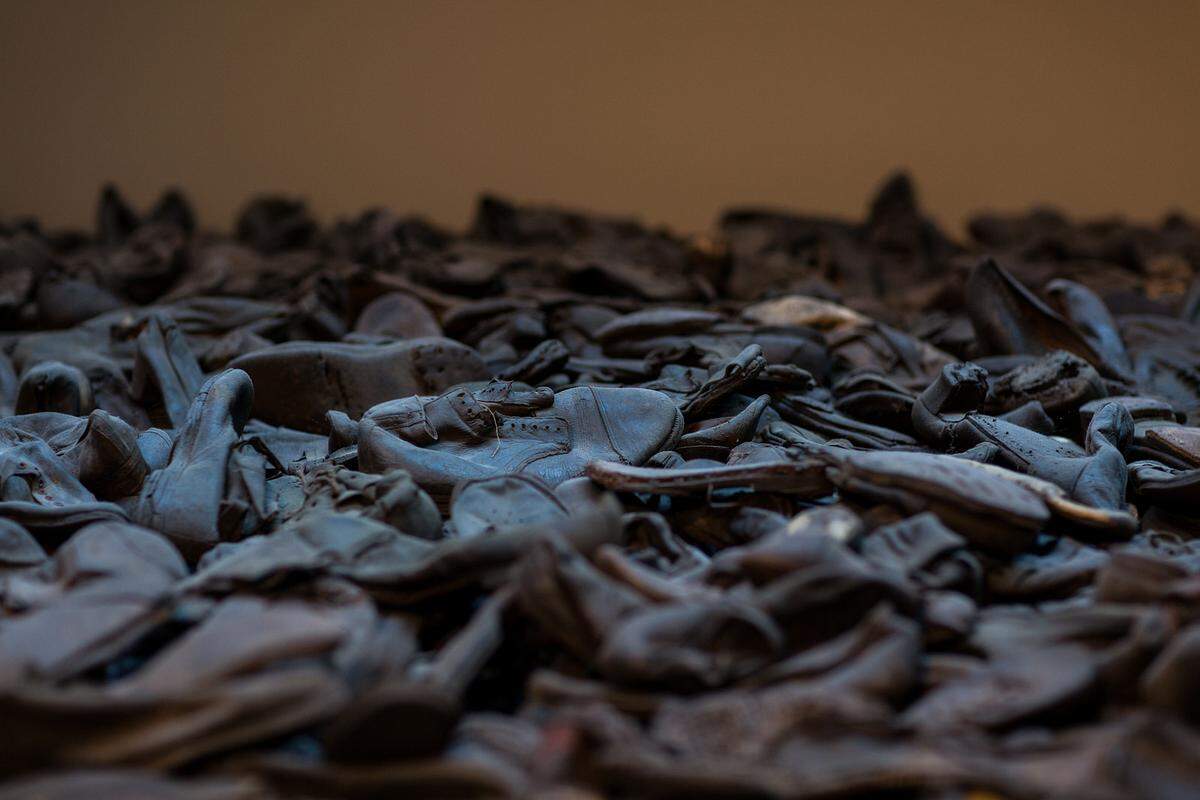
“Sadly, in this irreversible race against time, the museum’s collection of record will one day be the remaining authentic witness to the Holocaust, when survivors, World War II veterans, and other eyewitnesses are no longer with us,” Robert Tanen, director of the Museum’s Southeast region, said in a statement. “The museum will not stop, and cannot stop rescuing the evidence of the Holocaust. We owe it to the survivors and the victims to honor their legacy and memory.
“This is the first time in the U.S. Holocaust Memorial Museum’s 25-year history that a full-time curator has been dedicated solely to the South Florida area,” Tanen said.
The artifacts, once curated and preserved, will be held inside the museum’s 107,000 square foot, climate-controlled David and Fela Shapell Family Collections, Conservation and Research building that opened in Washington in the spring of 2017.
There, the artifacts will be cared for in perpetuity, made available through the museum’s loan program to local and international Holocaust institutions, and digitized for researchers to tap into worldwide.
Rubensteen’s role in the Miami-Dade, Broward and Palm Beach areas will be to personally meet with survivors or their descendants to gather biographical details on where they were from, what happened to them during the war, and how they were able to immigrate.
She often will start with a phone call after conducting some research to begin a dialog.
“It can be an emotional process, to share the family’s loss, trauma and tragedy of the Holocaust, but I take the time to be patient and receptive to each person’s individual experience,” she said. “I am honored and humbled to do this work.”
Materials have included film and photographs, furniture, and handwritten journals, Rubensteen said. She lets the families know that she has seen the preservation process at the Shapell Center and the technology involved to care for the precious cargo.
“It’s important to capture each individual family’s story and understand the context of the artifact within the museum’s collection,” said Rubensteen, 28. “We must rescue the evidence of the eyewitness now because we won’t be able to speak to eyewitnesses of the Holocaust for much longer.”
There is an option for planned giving.
For the Hollywood-born Rubensteen, who still lives in the Broward area not far from the museum’s Southeast regional office in Boca Raton, the position feels like a homecoming. And South Florida has long been home to clusters of Holocaust survivors.
Here, she can meet “survivors and their relatives at their homes to make the process as comfortable, convenient and immediate as possible,” Rubensteen said. “We are in a literal race against time to rescue the evidence of the Holocaust.”
Want to help?
Learn more about how to directly support Rubensteen’s work in South Florida by visiting www.ushmm.org/evidence
To contact the Holocaust Memorial Museum’s Southeast Regional Office in Boca Raton, call 561-995-6773
To reach Rubensteen for artifact donation, call 786-496-2788, or email arubensteen@ushmm.org
This story was originally published December 29, 2018 at 11:18 AM.