Have obesity as a kid? Chances are, you’ll earn less as an adult, study finds
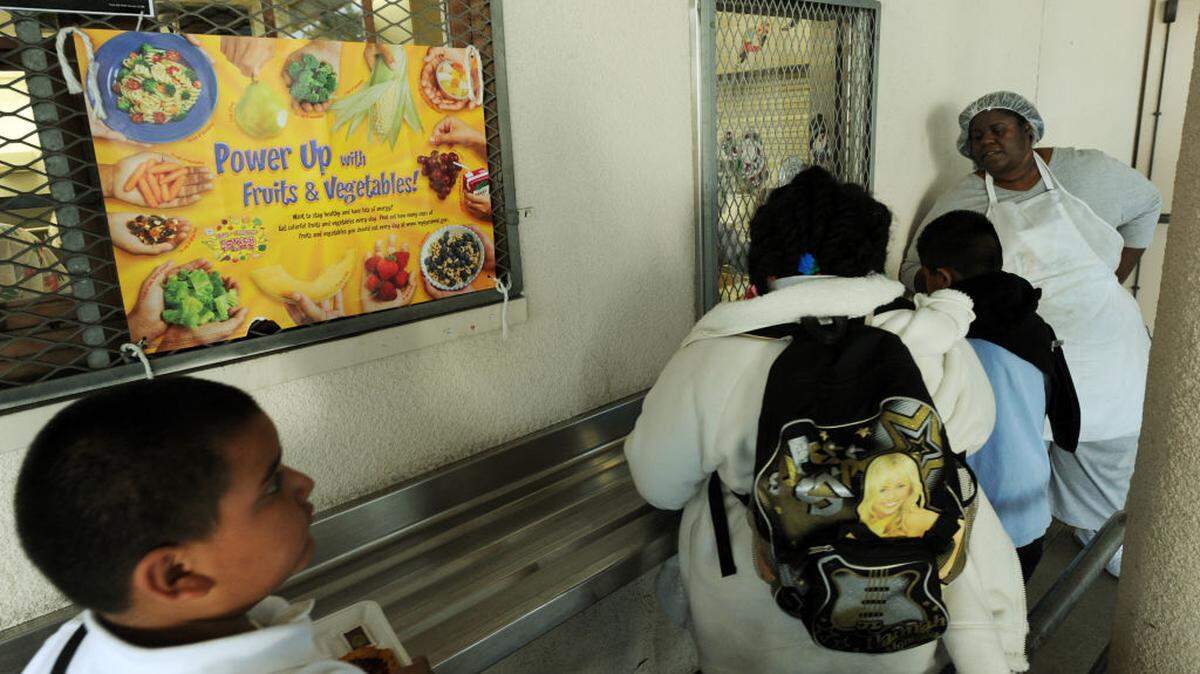
America’s obesity rate is near record highs, and that may pose more than just health problems.
Children with obesity are less likely to climb the income ladder later in life than children without it, a new study published in the Journal of Population Economics found.
Per the report, childhood obesity lowers someone’s chances of earning more than their parents down the line. It makes them less likely to graduate from college, lock down higher-paying jobs and live in high-opportunity neighborhoods.
“Childhood obesity isn’t just a health crisis,” said Yanhong Jin, a professor of applied economics at Rutgers University and co-author of the study. “It is an economic mobility crisis.”
And while economic mobility research often focuses on factors like family income, schools, neighborhoods and access to opportunity, Jin argues that childhood health, particularly obesity, is another force shaping who gets ahead and who doesn’t.
Doctors who treat obesity say the study captures an important facet of obesity as a chronic condition — that it seeps into every dimension of a patient’s life, far beyond the direct physical impact.
“You have the direct medical costs, but there’s a significant human cost,” said Dr. Michelle Pearlman, a Miami-based gastroenterologist and obesity specialist.
What’s the connection between childhood obesity and economic mobility?
Nationwide, more than 40% of adults and 21% of children are obese, according to data from the Centers for Disease Control and Prevention.
In both Florida and Miami-Dade, roughly 30% of adults have obesity. Statewide, nearly 17% of children have obesity, while 13% of Miami-Dade high schoolers suffer from it. And while those rates are below national averages, they’re still substantial.
Holding all else equal, someone who had obesity as a child can expect to fall about 20 percentile points down on the income ladder compared to their parents, Jin said.
But the gap goes beyond paychecks. The study also found that adults who had obesity as children were less likely to live in higher-opportunity neighborhoods as adults.
They were about 5 percentage points less likely to live in areas with above-average household incomes, 4.4 percentage points less likely to be in the top fifth of income earners and about 18 percentage points less likely to live in a neighborhood with a poverty rate under 10%.
What drives those gaps?
Those with childhood obesity are less likely to graduate from college, they complete fewer years of schooling and they’re more likely to remain obese into adulthood, which can cause persistent — and expensive — health problems, said Jin.
In the labor market, they face higher rates of job discrimination, which makes them less likely to land high-paying roles.
The educational dimension is particularly important, added Jin.
“It’s not about the impact of obesity on cognition,” she said. “It’s more about the impact of childhood obesity on behavior — things like school attendance, engagement, aspirations.”
The visibility of obesity makes it uniquely damaging to a child’s developing sense of self, said Pearlman, the Miami doctor.
“It’s a very visual thing, and so it absolutely affects confidence,” she said. “The way that people perceive themselves in the mirror really infiltrates every aspect of how they interact with society.”
That erosion of confidence, she noted, shapes everything from academic engagement to career ambition — and with them, income in adulthood.
And the economic mobility penalty from childhood obesity isn’t distributed equally. Girls see their adult earnings reduced the most, as do children from low-income families and those from the South and Midwest, regions that already have among the country’s lowest rates of intergenerational economic mobility.
For low-income families, the numbers are particularly troubling. The study found that childhood obesity reduced intergenerational mobility by more than half for children from lower-income households, compared to about 27% for their wealthier peers — a gap that reflects richer families’ ability to cushion children from the long-term consequences of obesity through investment in education, healthcare and social networks.
The implications for public policy are clear, said Jin: Early intervention in childhood obesity should be understood as an economic investment as well as a health one.
This story was produced with financial support from supporters including The Green Family Foundation Trust and Ken O’Keefe, in partnership with Journalism Funding Partners. The Miami Herald maintains full editorial control of this work.
This story was originally published April 30, 2026 at 12:57 PM.